
Navigating the bustling metropolis of Tokyo can feel like stepping into a futuristic science-fiction novel. With its staggering scale, neon-lit skyscrapers, and an intricate mass transit network, finding your way to your temporary home away from home might initially seem daunting. Whether you are staying at the sleek Park Hyatt Tokyo made famous by the silver screen, the traditional Hoshinoya Tokyo nestled in the financial district, or a cozy boutique suite in Shinjuku, mastering the art of local orientation is the key to a seamless vacation.
Fortunately, Japan‘s capital is one of the most organized and pedestrian-friendly urban environments in the world. By understanding the foundational geography, leveraging modern digital navigation tools, and mastering the local transit system, you can transform the potential stress of arrival into an effortless, enjoyable experience.
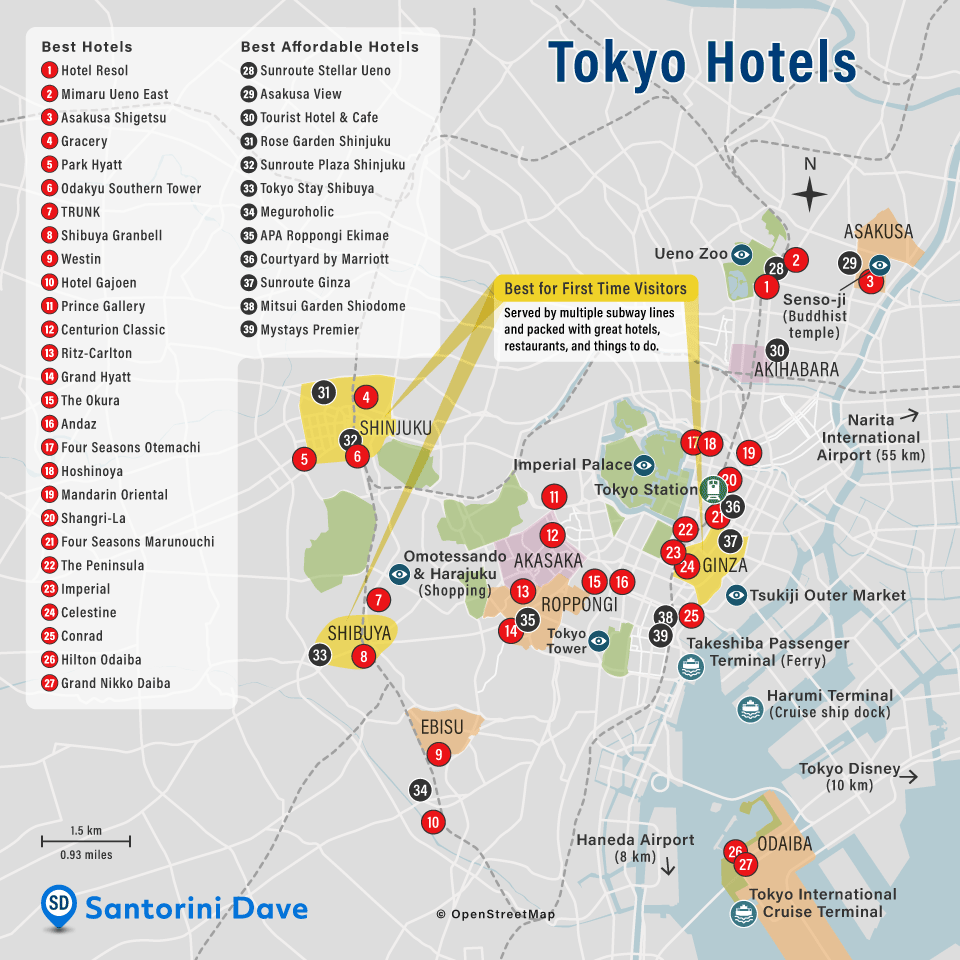
Mastering Tokyo’s Unique Addressing System
One of the primary reasons travelers struggle to locate their lodgings is that Tokyo does not use a traditional Western street-name-and-number addressing system. Instead, the city relies on a hierarchical division of districts, blocks, and buildings.
Understanding the Hierarchy of Chome, Ban, and Go
To successfully read a Japanese address, you must learn to read it backwards. A typical address looks like this: 3-5-7 Ginza, Chuo-ku, Tokyo.
- Tokyo: The overarching prefecture.
- Chuo-ku: The specific ward or district.
- 3 (Cho-me): A sub-district or neighborhood block.
- 5 (Ban): A specific city block within that Chome.
- 7 (Go): The specific building number.
Why Street Names Are Seldom Used
Most streets in Tokyo do not have names at all; they are simply empty spaces between blocks. Because of this, relying on street signs will not get you very far. Instead, postal workers, taxi drivers, and locals navigate by looking at building numbers and prominent architectural landmarks. When heading to your hotel, always ensure you have the full Japanese address saved on your phone or printed on a card to show locals if you get turned around.
Leveraging Digital Navigation and Offline Tools
In a city as technologically advanced as Tokyo, your smartphone is your best travel companion. However, failing to prepare your digital tools before stepping off the plane can leave you stranded in a sea of high-rise concrete.
Essential Apps for Precise Navigation
While standard map applications work exceptionally well, knowing which tools to use for specific situations can save you hours of wandering.
- Google Maps: Highly accurate for walking directions, displaying precise building footprints, and showing the exact exits of train stations.
- Japan Official Travel App: A comprehensive navigation tool designed specifically for international visitors, offering transit routes, offline Wi-Fi spot locators, and emergency information.
- HyperDia or Jorudan: Invaluable for mapping out complex train journeys across the greater metropolitan area.
Staying Connected on the Go
Trying to navigate without mobile data is a recipe for frustration. Before you even leave your home country, arrange for a pocket Wi-Fi rental, an eSIM, or a local data SIM card. Pick up your device directly at Narita International Airport or Haneda Airport upon arrival so you have uninterrupted internet access the moment you touch down. Additionally, pin your hotel location on your digital map prior to your trip so you can track your route even if your signal momentarily dips.
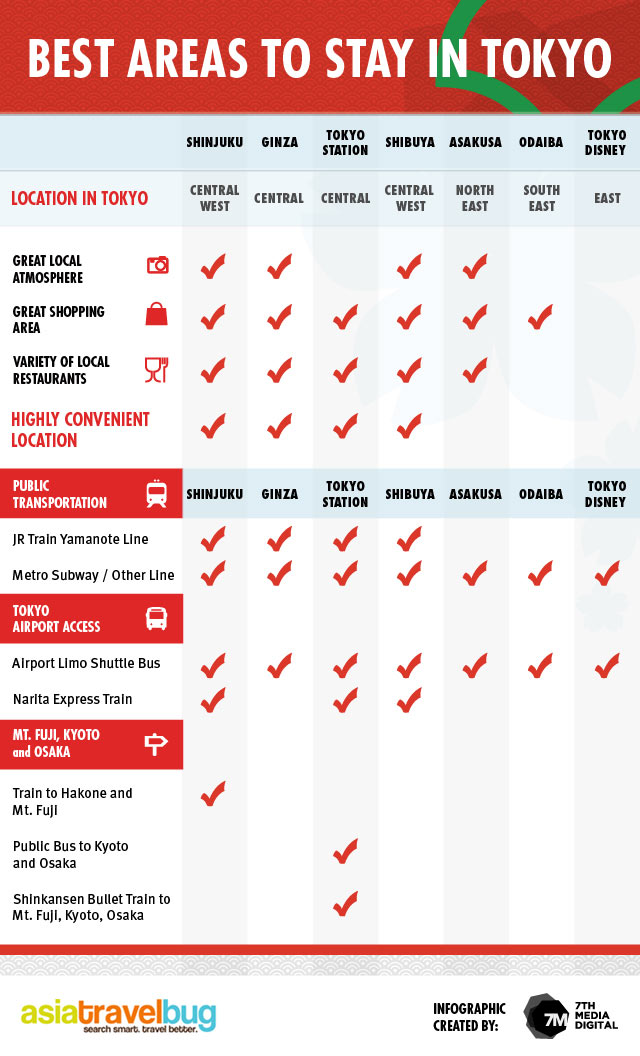
Navigating the Railway and Subway Labyrinth
Tokyo boasts one of the most efficient and extensive rail networks on the planet, operated by multiple companies including JR East, Tokyo Metro, and Toei Subway. Knowing how to use the trains is essential, but knowing how to exit the stations is the secret to finding your hotel quickly.
Decoding Train Station Exits
Major hubs like Shinjuku Station—the busiest railway station in the world—feature dozens of exits, subterranean shopping malls, and multi-level platforms. Emerging from the wrong exit can leave you blocks away from your destination in the completely opposite direction.
- Check the Hotel’s Website: Reputable establishments such as the Keio Plaza Hotel or the Imperial Hotel Tokyo almost always provide explicit instructions on which specific station exit (e.g., “West Exit” or “Exit B4”) to take.
- Follow the Overhead Signage: Station signs are color-coded and written in English, Japanese, Korean, and Mandarin. Look for signs pointing toward your specific landmark or street quadrant before tapping through the turnstiles.
Utilizing IC Cards for Seamless Travel
Purchase a Suica or Pasmo IC card at any station ticket machine or load a digital version onto your smartphone wallet. These prepaid cards allow you to tap seamlessly through train gates, ride buses, and even purchase drinks from vending machines along your walk, minimizing the stress of buying individual paper tickets while trying to keep track of your luggage.
Utilizing Local Transportation Alternatives
If you are traveling with heavy luggage, traveling with children, or arriving late at night after the trains have stopped running, walking with multiple bags may not be practical.
Taking a Taxi in Tokyo
Taxis in Tokyo are pristine, incredibly safe, and driven by courteous professionals wearing white gloves.
- The Doors Open Automatically: Never attempt to open or close the rear taxi doors yourself; the driver operates them remotely.
- Overcoming the Language Barrier: Because many taxi drivers do not speak fluent English, always hand them your hotel’s business card or show them the address written in Japanese characters on your smartphone screen.
- Designated Taxi Stands: You cannot simply hail a cab from anywhere on the street. You must go to an official taxi stand outside major train stations or department stores.
What to Do If You Get Lost
Even the most seasoned travelers occasionally lose their bearings in a foreign megalopolis. Fortunately, Tokyo is exceptionally safe, and assistance is never far away.
Finding a Koban (Police Box)
Scattered throughout every neighborhood are small police boxes known as koban. If you are completely disoriented, look for a koban. Police officers stationed here are accustomed to helping lost tourists. They have access to detailed neighborhood maps and can even call your hotel directly to clarify directions or guide you the rest of the way.
Asking Convenience Store Staff
If a police box is not immediately in sight, duck into a 7-Eleven, Lawson, or FamilyMart. Convenience store clerks are unfailingly polite and accustomed to assisting travelers. While language barriers may exist, showing them your hotel reservation confirmation on your phone will usually prompt them to look up the route for you or point you toward the nearest landmark.
By approaching your arrival with preparation, utilizing digital tools, paying close attention to transit station exits, and understanding the local addressing logic, locating your hotel in Tokyo becomes a smooth and rewarding introduction to an incredible city.
LifeOutOfTheBox is a participant in the Amazon Services LLC Associates Program, an affiliate advertising program designed to provide a means for sites to earn advertising fees by advertising and linking to Amazon.com. Amazon, the Amazon logo, AmazonSupply, and the AmazonSupply logo are trademarks of Amazon.com, Inc. or its affiliates. As an Amazon Associate we earn affiliate commissions from qualifying purchases.