
For many travelers planning their dream escape to the Pacific, the primary draw is the promise of crystalline, inviting waters. Whether you are envisioning a serene morning snorkel in Oahu or an adventurous afternoon surfing session off the coast of Maui, the temperature of the ocean is a critical factor in your comfort and enjoyment. The short answer to whether the water in Hawaii is warm is a resounding yes; however, the nuance lies in understanding the seasonal shifts and regional variations across this magnificent archipelago.
The Seasonal Fluctuations of Hawaiian Waters
While Hawaii enjoys a reputation for eternal summer, the Pacific Ocean does experience subtle temperature changes throughout the year. Understanding these shifts helps travelers manage their expectations and pack the appropriate gear for water-based excursions.

Winter Ocean Temperatures
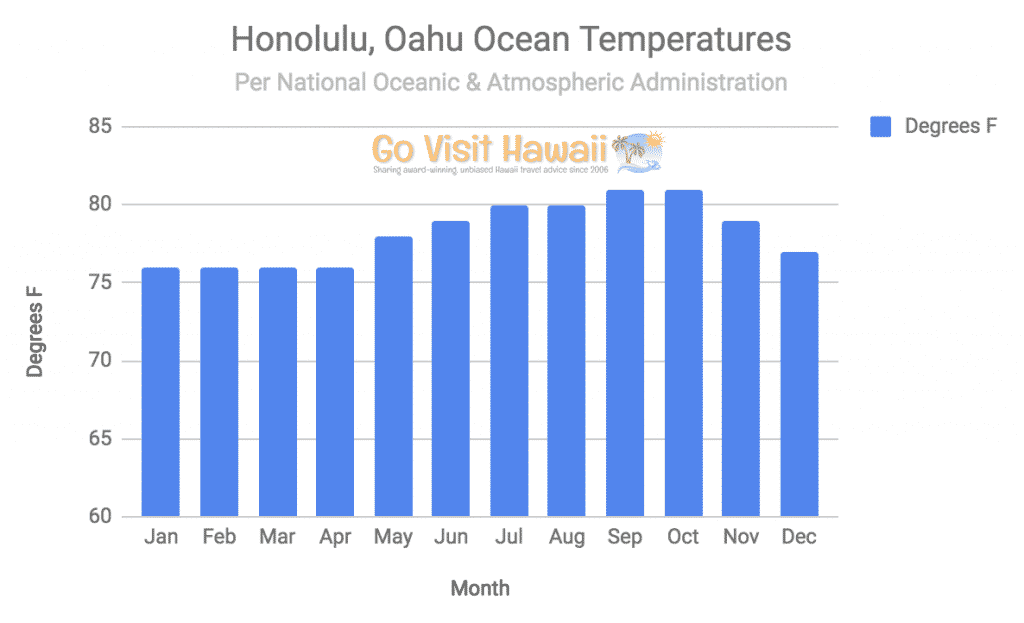
During the winter months, specifically from January through March, the water temperatures in Hawaii typically dip to their lowest point of the year. During this window, you can expect the water to hover between 74°F and 76°F (23°C to 24°C). While this might sound chilly to those accustomed to bath-like temperatures in the Caribbean, it is remarkably comfortable for most swimmers, snorkelers, and divers.
The slight cooling is primarily due to the influence of northern currents and weather systems that move through the North Pacific. During these months, while you might feel a slight chill upon your initial entry into the water, the sensation vanishes quickly once you begin moving. It is the perfect temperature for active water sports like surfing at Waikiki Beach, as the physical exertion keeps your body temperature regulated.
Summer Warmth and Peak Comfort
As spring transitions into summer, the ocean begins a steady climb in temperature. By late July and August, the water around islands like Kauai and the Big Island reaches its peak warmth, often hitting 80°F to 82°F (26°C to 28°C). This is the quintessential tropical experience, where the water temperature is perfectly balanced with the ambient air temperature, allowing for extended periods of relaxation without the need for a wetsuit.
Regional Variability Across the Archipelago
While the general temperature range holds true across the state, there are geographical nuances influenced by ocean depth, current exposure, and local topography. The Pacific Ocean surrounding the islands is vast and dynamic, and each island offers a slightly different aquatic profile.
The Leeward Versus Windward Experience
The islands of Hawaii are characterized by “leeward” (dry, sheltered) and “windward” (wet, exposed) sides. The leeward shores, such as the famous Kona Coast on the Big Island, tend to have calmer, warmer water conditions because they are shielded from the prevailing trade winds. These protected bays and coves often trap solar heat, making them ideal for families with young children or those who prefer a more relaxed swimming environment.
Conversely, the windward sides, such as the northern coast of Oahu, are more exposed to open-ocean swells. While the water temperature itself remains relatively consistent with the rest of the island, the active movement of the water and the increased depth near the shore can sometimes make the ocean feel slightly cooler and more invigorating.
Deep Water vs. Shallow Reefs
The clarity and warmth of the water also depend on where you choose to enter. Shallow lagoons and reef-protected areas, such as those found at Hanauma Bay, warm up faster under the midday sun. The sandy bottoms absorb solar radiation, transferring heat directly to the water. In contrast, if you are planning an open-ocean boat excursion or a deep-water dive near Molokini Crater, you may notice the water feels several degrees cooler due to the massive volume of the ocean and the lack of sunlight penetration at depth.
Considerations for Water Activities
The temperature of the water dictates not just comfort, but also the longevity of your time spent in the sea. Whether you are a professional diver or a casual floater, there are a few tips to maximize your time in the water.
The Role of Wetsuits and Rash Guards
In the summer months, a swimsuit or simple rash guard is sufficient for almost anyone, regardless of how long they spend in the water. The sun protection provided by a rash guard is actually more important than the thermal protection during this time.
However, if you are visiting during the winter or planning to spend significant time snorkeling—which often involves floating stationary for long periods—a thin “spring suit” (a short-sleeved or sleeveless wetsuit) or a 1-2mm neoprene top can make a world of difference. It prevents the slow onset of shivering and allows you to enjoy the vibrant marine life at locations like Kealakekua Bay for hours on end without fatigue.
Factors Influencing Your Thermal Comfort
It is important to remember that thermal comfort is highly subjective. Factors such as:
- Wind Speed: Even if the water is a pleasant 77°F, a strong gusty wind when you emerge can make you feel cold instantly. Always have a towel or dry robe ready.
- Time of Day: Early morning sessions are always crisper. If you are sensitive to cold, aim for afternoon swimming when the ocean has had several hours to absorb the day’s solar energy.
- Sun Exposure: High UV levels in Hawaii can lead to overheating if you aren’t careful, so the refreshing nature of the ocean is often a welcome relief regardless of the precise temperature.

Embracing the Hawaiian Ocean Life
The water in Hawaii is, by almost any international standard, warm and inviting year-round. It is a defining feature of the island experience that draws millions to destinations like Maui and Lanai every year. Whether you are seeking the thrill of high-surf waves on the North Shore or the tranquil, clear waters of a secluded bay in Molokai, the ocean is your constant companion.
By understanding the subtle fluctuations between the winter and summer months and choosing your activity locations based on the island’s unique topography, you can tailor your vacation to suit your personal comfort levels. Rest assured that no matter when you decide to visit, the Pacific is waiting with open arms, offering a therapeutic, warm embrace that remains one of the most rewarding aspects of a trip to these legendary islands. From the gentle tide pools to the vast blue horizons, the warmth of the Hawaii waters is a fundamental part of the aloha spirit—an enduring comfort that defines your time in paradise.
LifeOutOfTheBox is a participant in the Amazon Services LLC Associates Program, an affiliate advertising program designed to provide a means for sites to earn advertising fees by advertising and linking to Amazon.com. Amazon, the Amazon logo, AmazonSupply, and the AmazonSupply logo are trademarks of Amazon.com, Inc. or its affiliates. As an Amazon Associate we earn affiliate commissions from qualifying purchases.