
For food enthusiasts and travelers flocking to the vibrant state of Louisiana, few culinary experiences compare to the ritual of a traditional crab boil. The blue crab is not merely an ingredient in the Bayou State; it is a cultural icon, woven into the very fabric of local heritage and coastal life. Understanding the rhythm of the seasons is essential for anyone hoping to savor the freshest catch during their visit.
The Seasonal Rhythm of Louisiana Blue Crabs
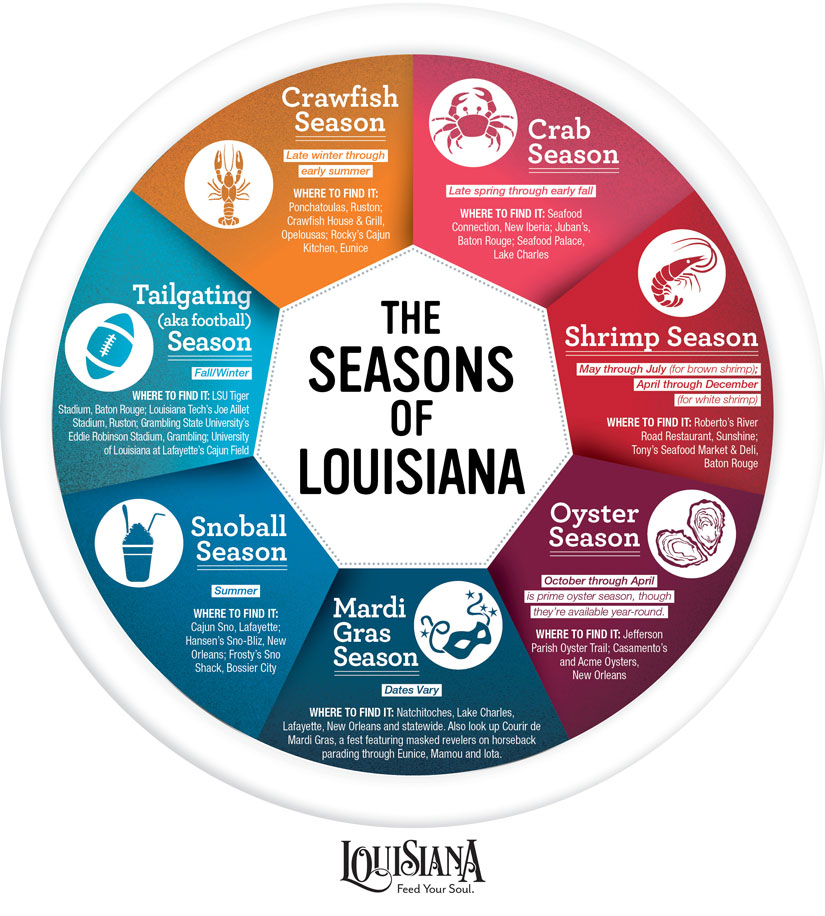
Unlike some seafood species that are governed by rigid, short-lived windows, the blue crab season in Louisiana is remarkably forgiving. Because of the state’s unique estuarine environment and temperate climate, crabbing is a year-round enterprise. However, while you can find crabs in the markets throughout the calendar year, the “season” in terms of quality, size, and availability shifts significantly with the changing temperatures of the Gulf of Mexico.
The Peak of the Harvest
The prime time for blue crabs—when they are at their largest, meat-filled, and most abundant—typically runs from late spring through early autumn. As the waters of the Atchafalaya Basin and the surrounding marshes warm up, the crabs become more active. From May through September, crabbers report higher yields, making this the ideal window for visitors planning a food-centric trip. During these months, the crabs are actively foraging, resulting in heavier weights and a sweeter, more distinct flavor profile that defines the quintessential Louisiana experience.
Winter Fluctuations
As the temperatures drop during the winter months, blue crabs often retreat to deeper, more stable waters in the Gulf Coast region. While commercial harvesting continues, the activity levels of the crabs decrease. You will still find delicious crab dishes served in the bustling restaurants of New Orleans, but the supply chain may rely more heavily on specific pockets of the coast where the water remains favorable. For a traveler, this means that while you will never go without, the “abundance” you encounter at a local crab shack will feel quite different in January compared to July.
Navigating the Local Culinary Landscape
Understanding the seasonality is just the first step. To truly experience Louisiana’s crab culture, one must know where to look and how to participate in the local customs. The state’s relationship with the blue crab is intimate, often involving family gatherings, outdoor tables covered in butcher paper, and a shared appreciation for the labor required to pick every last morsel of meat.
The Art of the Crab Boil
A traditional crab boil is a social event that transcends a simple meal. It is a communal activity, usually performed outdoors in large stockpots filled with a spicy, aromatic broth. When visiting Baton Rouge or the smaller coastal parishes, keep an eye out for local announcements for community boils. The seasoning—a proprietary blend of cayenne, mustard seed, coriander, and bay leaves—is what sets Louisiana crabs apart. The goal is to infuse the meat with heat and zest, creating a dish that requires patience, dexterity, and a love for messy, hands-on eating.

From the Docks to the Table
If you find yourself near the Lake Pontchartrain area, the proximity to the source of the catch is unrivaled. Many of the best restaurants do not bother with complex recipes; instead, they focus on the integrity of the shellfish. When dining out, look for menus that emphasize “Louisiana Blue Crab.” This label is a point of pride for chefs and ensures that you are supporting local watermen rather than consuming imported frozen products. Whether you prefer your crab in a decadent, cream-based crab bisque, a crispy crab cake, or served whole and steamed, the source makes all the difference.
Tips for the Aspiring Crab Enthusiast
For those traveling to Acadiana or the coastal regions specifically for the seafood, a few insider tips will elevate your experience. Planning your trip around the season is beneficial, but understanding the logistics of local dining is just as important.
Timing Your Visit
If your primary goal is to participate in the harvest or enjoy the absolute peak freshness of the season, aim for a visit between June and August. During these months, the harvest is at its most consistent, and the warm weather encourages a culture of outdoor dining and festivals. Many local seafood festivals, which celebrate the bounty of the Mississippi River Delta, occur during these peak months, offering tourists a chance to sample crab in every conceivable iteration.
Understanding Quality and Sustainability
Louisiana takes its fishery management seriously. The Louisiana Department of Wildlife and Fisheries maintains rigorous standards to ensure the sustainability of the blue crab population. By choosing to dine at establishments that prioritize local sourcing, you are helping to maintain the health of the marsh ecosystems. When you ask a waiter or a market vendor about the origin of their crabs, they will almost always be happy to tell you exactly which bay or bayou the haul came from that morning.
Essential Gear for the Traveler
If you are invited to a crab boil or plan to visit a casual, high-volume seafood spot, come prepared. This is not a meal for the faint of heart or the formal dress code. Pack comfortable, washable clothing. If you are venturing out near the Vermilion Bay for an authentic tour or a hands-on crabbing experience, carry insect repellent and sun protection. The environment that produces the best crabs—the humid, marshy wetlands—is also home to a thriving ecosystem that requires a bit of preparation to navigate comfortably.
Cultural Significance and the Future of the Catch
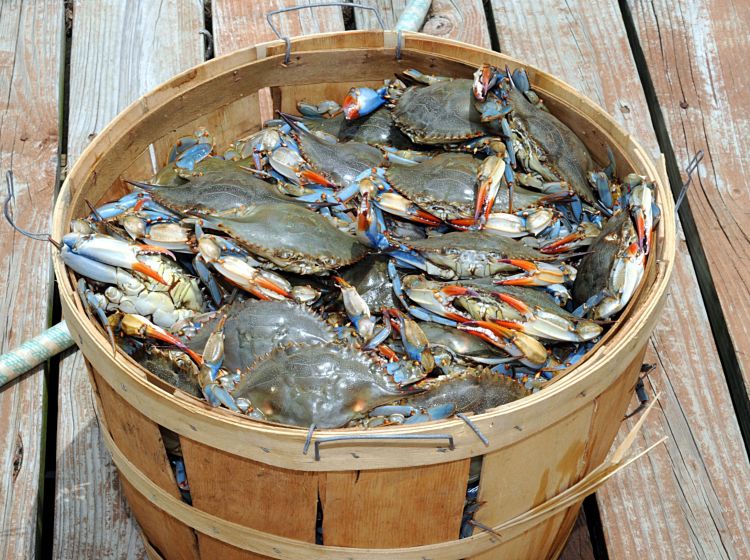
The blue crab is more than a food source; it is a symbol of resilience. The watermen who navigate the Calcasieu Lake and the vast network of bayous are stewards of a tradition that has survived hurricanes, economic shifts, and changing tides. When you sit down to crack open a freshly steamed crab, you are participating in a historical continuum.
The experience of eating crab in Louisiana is defined by the pace of life here. It is slow, deliberate, and deeply connected to the land and water. Whether you are enjoying a high-end crab dish in a refined establishment or picking a boiled crab at a roadside stand, the flavor remains constant—a testament to the health of the coastal waters and the dedication of the people who work them. By understanding the seasonal nature of the harvest, you are not just a tourist passing through; you are an informed guest engaging with one of the most vital and delicious aspects of the American South. As you plan your itinerary, remember that the best time to visit is when you are ready to slow down, get your hands a little messy, and appreciate the incredible bounty that the Louisiana marshes provide year after year.
LifeOutOfTheBox is a participant in the Amazon Services LLC Associates Program, an affiliate advertising program designed to provide a means for sites to earn advertising fees by advertising and linking to Amazon.com. Amazon, the Amazon logo, AmazonSupply, and the AmazonSupply logo are trademarks of Amazon.com, Inc. or its affiliates. As an Amazon Associate we earn affiliate commissions from qualifying purchases.