
For those traveling to the Hawaii islands, the culinary landscape is defined by a deep, symbiotic relationship with the ocean. At the heart of this gastronomic tradition lies “poke”—a dish that has evolved from a humble fisherman’s snack into an international sensation. Pronounced “poh-kay,” the word itself means “to slice” or “cut crosswise into pieces” in the Hawaiian language. Far more than just a trendy salad or a deconstructed sushi bowl, poke is a cultural cornerstone that embodies the identity of the archipelago.
The Cultural Roots and Evolution of Poke
To understand poke, one must step back into the history of the native Polynesians who first settled the islands. Long before the influence of global fusion cuisine, poke was a pragmatic preparation method. Fishermen would take their daily catch—typically reef fish—and season it with whatever was readily available at sea or on the shore: sea salt, crushed candlenut (kukui nut), and seaweed (limu).
From Fisherman’s Snack to Local Staple
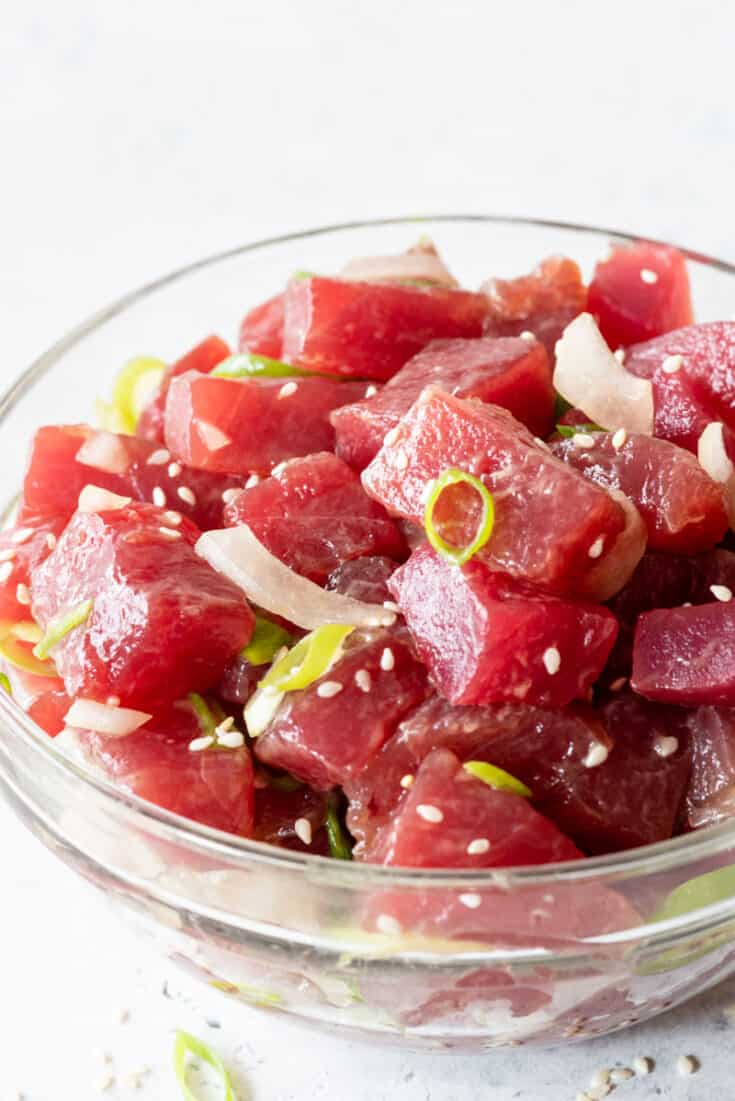
Initially, the fish was eaten fresh, often right on the boat. It was a way to process the fish immediately, ensuring freshness in a tropical climate where preservation was difficult. As time passed and waves of migration brought new cultures to Honolulu and the surrounding regions, the dish evolved. The introduction of soy sauce, sesame oil, and onions by Japanese immigrants during the plantation era forever altered the profile of poke, adding the savory depth that most modern diners recognize today.
The Significance of Sustainability
In local Hawaiian culture, poke is not just food; it is an expression of respect for the land and sea, or aina. Traditional poke recipes emphasize the quality of the raw ingredient above all else. Unlike mainland versions that often mask the fish with heavy sauces or excessive toppings, the authentic Hawaiian approach focuses on the texture and flavor of the ahi (yellowfin tuna) or aku (skipjack tuna).
Decoding the Anatomy of Authentic Poke
While visitors to Waikiki or the Big Island might be overwhelmed by the sheer variety of poke bowls available in modern counters, there are definitive elements that distinguish the authentic local experience from the derivative variations found elsewhere.
The Protein Foundation
The foundation of any high-quality poke is the fish. While ahi is the gold standard for most, true enthusiasts often search for aku, which has a firmer texture and a richer, more “oceanic” flavor. Other variations may include octopus (tako), which is typically blanched to achieve a satisfying snap, or even shellfish like shrimp and crab. The fish is always cubed—never minced—to maintain the structural integrity and mouthfeel of the catch.
The Essential Seasonings
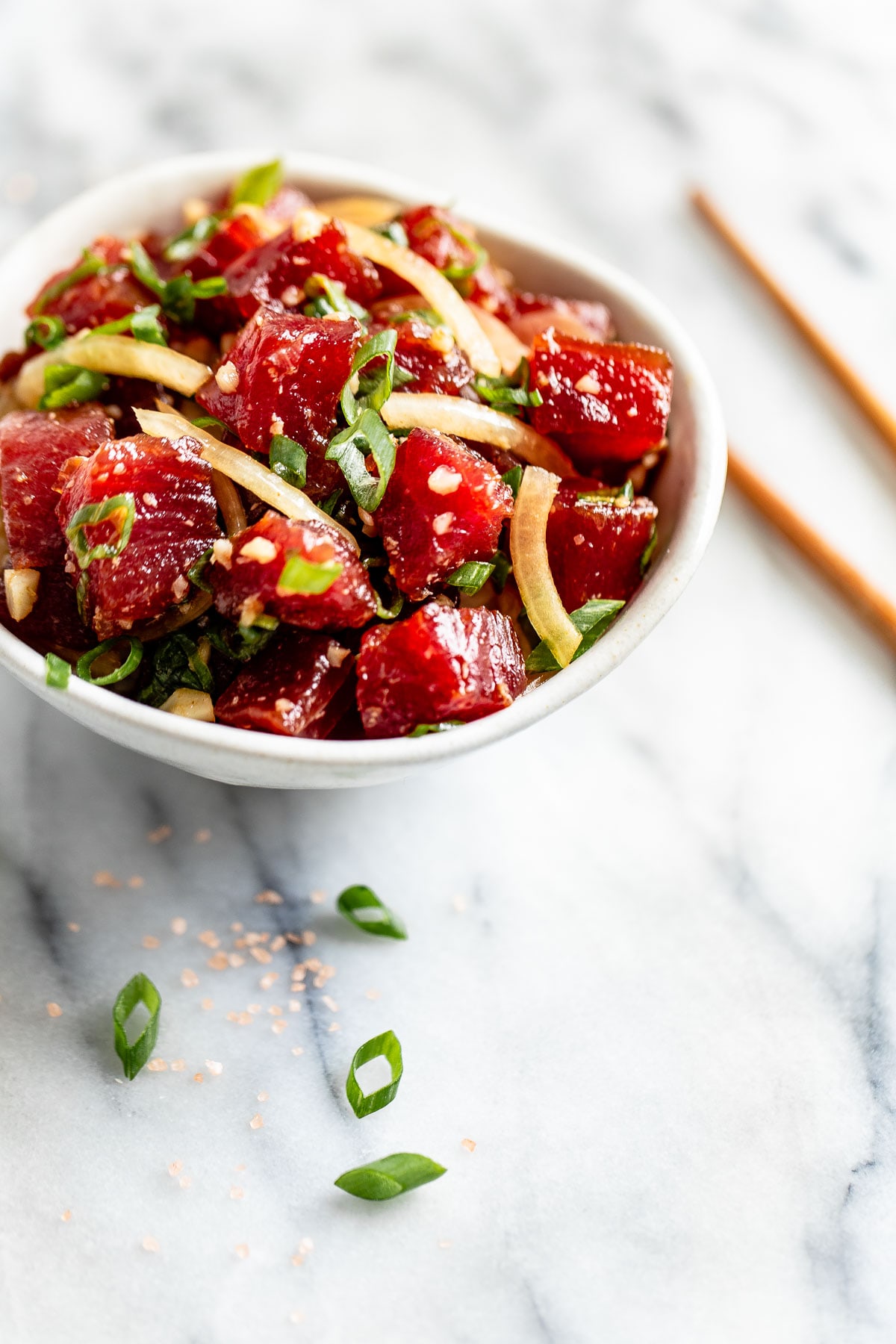
Authentic poke relies on a minimalist approach to seasoning. Common components include:
- Shoyu: A high-quality soy sauce that provides the saltiness.
- Limu Kohu: A type of local seaweed that offers a crisp, briny note that cannot be replicated by standard nori.
- Inamona: A traditional condiment made from roasted, crushed candlenuts, which adds a subtle, nutty crunch.
- Maui Onions: Famous for their sweetness, these onions provide a necessary bite that cuts through the richness of the tuna fat.
- Sesame Oil: Used sparingly to add an aromatic, nutty finish.
Navigating the Poke Experience Across the Islands
Visiting Maui, Kauai, or Oahu offers a unique opportunity to taste the regional nuances of this dish. Unlike the fast-casual chains that have sprouted in major cities worldwide, the best poke in the islands is often found in the most unassuming places.
Finding Poke in Local Markets
To eat like a local, look for poke in the refrigerated counters of local grocery stores or dedicated fish markets. In these locations, poke is sold by the pound, categorized by flavor profile—such as “Shoyu Ahi,” “Spicy Ahi,” or “Hawaiian Style” (which relies on salt, limu, and inamona). It is rarely served over a bed of quinoa or kale; instead, it is often consumed as a pupu (appetizer) with a side of steamed white rice, or simply enjoyed on its own as a quick, nutrient-dense lunch.
The “Build-Your-Own” Phenomenon
As tourism to Hawaii has expanded, so too has the custom-bowl trend. While this style is excellent for those with specific dietary preferences, it is important for travelers to differentiate between the “custom bowl” experience and the “market” experience. If you are seeking an authentic culinary encounter, prioritize stores that specialize in fresh, daily-caught fish rather than those that offer a vast array of processed toppings like corn, edamame, or spicy mayo squirted from a bottle.
Tips for the First-Time Traveler
If you are uncertain about where to start, ask the staff behind the counter for a recommendation based on what was caught that morning. Many of the best purveyors on the North Shore or in Hilo are proud to discuss the provenance of their fish. Understanding whether the tuna was line-caught or sustainably sourced is a hallmark of the conscious traveler, and locals deeply appreciate visitors who show an interest in the origins of their meal.

Why Poke Remains the Ultimate Hawaiian Soul Food
The global popularity of poke is a testament to its simplicity and nutritional value, but it is also a source of pride for the Hawaiian people. By maintaining the integrity of the dish—sourcing locally and keeping the preparation grounded in tradition—the islands have preserved a culinary art form that transcends time.
As you explore the diverse landscapes of Hawaii, from the volcanic craters to the pristine beaches of Lanai, take the time to step away from the hotel resort menus. Find a local shop, buy a container of fresh ahi poke, and take a moment to appreciate the history in every bite. Whether you eat it on a pier, in a park, or while watching the sunset over the Pacific Ocean, you are participating in a tradition that connects the modern traveler to the deep, storied history of the islands.
Poke is, ultimately, the story of Hawaii told through the ocean’s bounty. It is fresh, it is vibrant, and it is a reminder that the best travel experiences are often the ones that are deeply rooted in the local culture and environment. By seeking out the authentic version of this iconic dish, you are not just enjoying a meal; you are honoring a legacy of island life that continues to thrive in the heart of the United States.
LifeOutOfTheBox is a participant in the Amazon Services LLC Associates Program, an affiliate advertising program designed to provide a means for sites to earn advertising fees by advertising and linking to Amazon.com. Amazon, the Amazon logo, AmazonSupply, and the AmazonSupply logo are trademarks of Amazon.com, Inc. or its affiliates. As an Amazon Associate we earn affiliate commissions from qualifying purchases.