
The magic of New York City is never more palpable than when the first snowflakes begin to descend upon its concrete canyons. For travelers and locals alike, the transition of the seasons in this metropolis marks a profound shift in energy. As the brisk winds of autumn give way to the crisp chill of winter, the city transforms into a cinematic backdrop that has defined holiday narratives for generations. Understanding the seasonal patterns of snowfall is essential for those planning a visit to witness the city at its most enchanting.

The Seasonal Transition: When Winter Arrives
While the calendar officially marks the start of winter in late December, the meteorological reality of the Northeast often differs. In New York City, the first dusting of snow usually makes a brief, often shy appearance between late November and early December. However, these early flurries rarely stick for long.
Meteorological Patterns in the Northeast
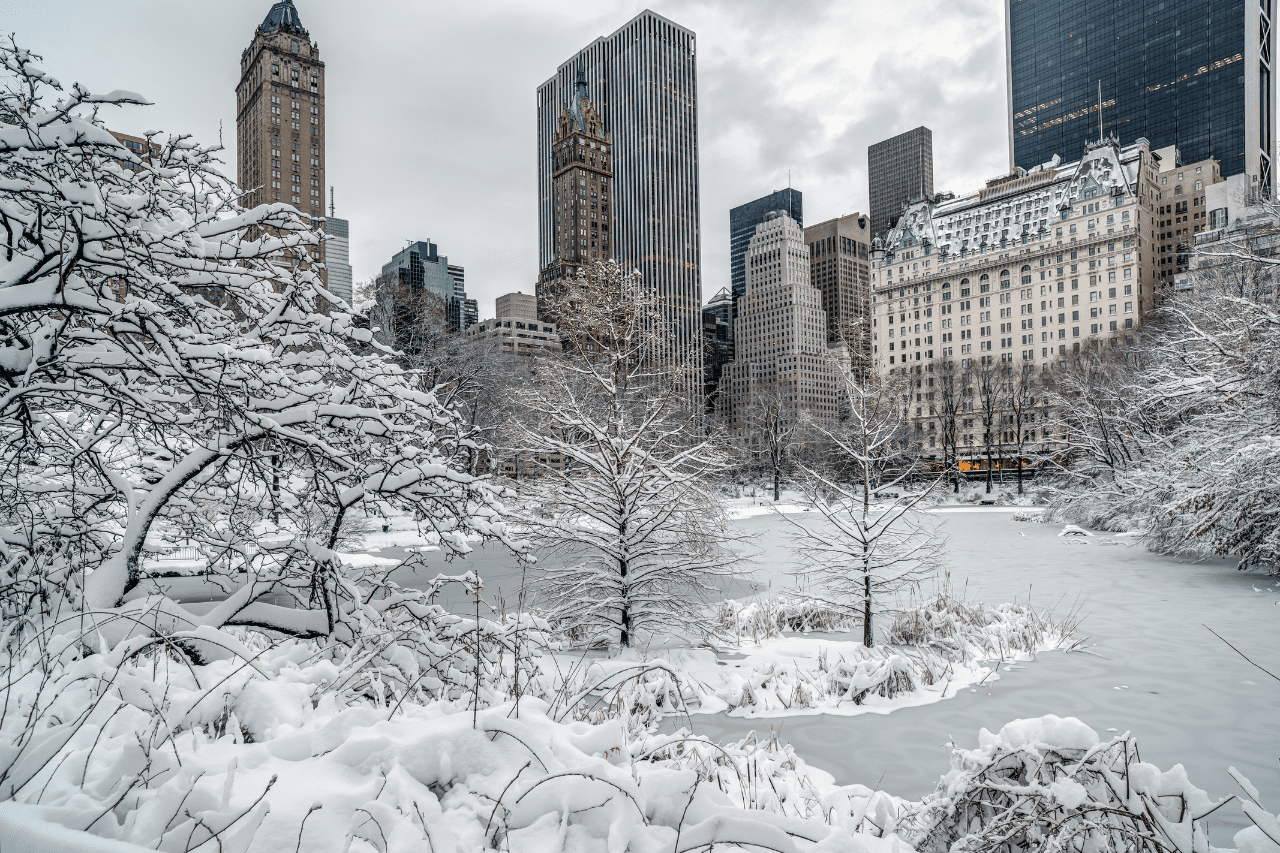
The proximity of New York City to the Atlantic Ocean acts as a natural climate regulator. The relatively warmer temperatures of the harbor often delay significant snowfall compared to inland regions of New York State. Typically, the city experiences its first true accumulation—the kind that blankets the Central Park landscape—sometime in mid-to-late December.
Why Early Flurries Are Fleeting
During the late autumn months, the ground remains warm from the lingering heat of summer and early fall. Even when cold fronts move down from Canada, the thermal mass of the city’s infrastructure and the surrounding waters prevent snow from lingering. If you are hoping to walk through a winter wonderland, the weeks leading up to the solstice are often characterized by a festive atmosphere of lights and shopping rather than deep, persistent snow cover.
The Peak Winter Months: January and February
If your primary objective for visiting New York City is to experience the city under a heavy winter shroud, the most reliable time to visit is during the heart of the season. January and February are statistically the coldest months, offering the highest probability of consistent snowfall and the classic “postcard” views of the skyline.
Historical Snowfall Trends
Historically, the city experiences its heaviest snowstorms in late January. Weather systems moving up the East Coast—frequently referred to as Nor’easters—are the primary drivers of these significant events. These storms can drop several inches, or occasionally feet, of snow, temporarily silencing the relentless bustle of Manhattan.

The Aesthetic Appeal of a Snowy Metropolis
When a significant storm hits, the character of the city changes overnight. Walking through Times Square while the air is filled with falling flakes creates an atmosphere of intimacy despite the density of the area. For photographers and travelers, these months provide an opportunity to see Fifth Avenue and the surrounding architecture of the Empire State Building in a unique, monochromatic light.
Essential Experiences During the Snow Season
Visiting New York City in the winter requires a shift in how one approaches local tourism. While the cold may deter casual strollers, it creates an inviting atmosphere for those looking to experience the city’s indoor culture and seasonal outdoor activities.
Outdoor Winter Traditions
Even when the temperature drops, the city remains alive with activity. The ice rink at Rockefeller Center becomes the epicenter of winter tourism. Surrounding landmarks, such as the St. Patrick’s Cathedral, take on a heightened sense of grandeur when framed by falling snow. Furthermore, the trails in Central Park become a playground for cross-country skiers and those seeking a rare moment of silence amidst the urban sprawl.
Indoor Comfort and Cultural Deep Dives
When the weather becomes too harsh, the city’s world-class museums offer a perfect refuge. A snowy day is the ideal excuse to spend hours inside the Metropolitan Museum of Art or exploring the intricate galleries of the American Museum of Natural History. These institutions provide an immersive cultural experience that feels especially rewarding while the city outside is muffled by a fresh coat of powder.
Travel Planning for Snow Season
For those planning their trip, timing is everything. While no meteorologist can predict the exact hour the first flake will fall, patterns suggest that visitors aiming for a quintessential snowy experience should aim for the period between the second week of January and the end of February.
Preparing for Variability
The weather in New York City is notoriously temperamental. A week of freezing temperatures can be followed by a sudden thaw, turning snow into slush. It is advisable for travelers to pack versatile layers. Thermal base layers, waterproof footwear, and a durable coat are essential for navigating the city streets, especially when the transition from heated indoor spaces to freezing outdoor temperatures occurs multiple times a day.
Transportation Considerations
One of the most important aspects of winter travel in the city is understanding how the infrastructure handles weather. The Metropolitan Transportation Authority, which operates the vast subway system, is remarkably resilient. Even during significant snow events, the subway remains the most reliable way to navigate Brooklyn, Queens, and The Bronx. However, it is always wise to keep an eye on local news outlets for updates on surface transportation and flight schedules at John F. Kennedy International Airport or LaGuardia Airport.
Embracing the “City That Never Sleeps” in Winter
Ultimately, the timing of the first snow is just one facet of the New York experience. Whether you arrive in early December to see the holiday displays or in the dead of February to walk through a quiet, snow-covered Washington Square Park, the city offers a unique charm. The snow does not stop New York City; instead, it provides a brief, beautiful pause, allowing residents and visitors to appreciate the architecture and history of this iconic global destination in a different, more contemplative light. By planning appropriately and staying flexible, you can ensure that your winter visit to the United States is as memorable as it is magical.
LifeOutOfTheBox is a participant in the Amazon Services LLC Associates Program, an affiliate advertising program designed to provide a means for sites to earn advertising fees by advertising and linking to Amazon.com. Amazon, the Amazon logo, AmazonSupply, and the AmazonSupply logo are trademarks of Amazon.com, Inc. or its affiliates. As an Amazon Associate we earn affiliate commissions from qualifying purchases.