
For many travelers, Hawaii represents the pinnacle of a tropical escape. With its emerald cliffs, pristine beaches, and vibrant culture, it is a destination that captures the imagination year-round. However, those looking to maximize their budget, avoid peak crowds, and experience the islands with a bit more serenity often ask: when is the off-season? Understanding the cadence of Hawaiian tourism is key to unlocking a more authentic and affordable island experience.
Defining the “Off-Season” in a Year-Round Paradise
Unlike many global destinations that experience dramatic seasonal shifts—closing down during harsh winters or monsoon seasons—Hawaii enjoys a pleasant climate throughout the calendar year. Because of this, there is no “off-season” in the traditional sense where the state shuts down. Instead, travelers define the off-season based on fluctuation in visitor numbers and pricing.
The Shoulder Seasons
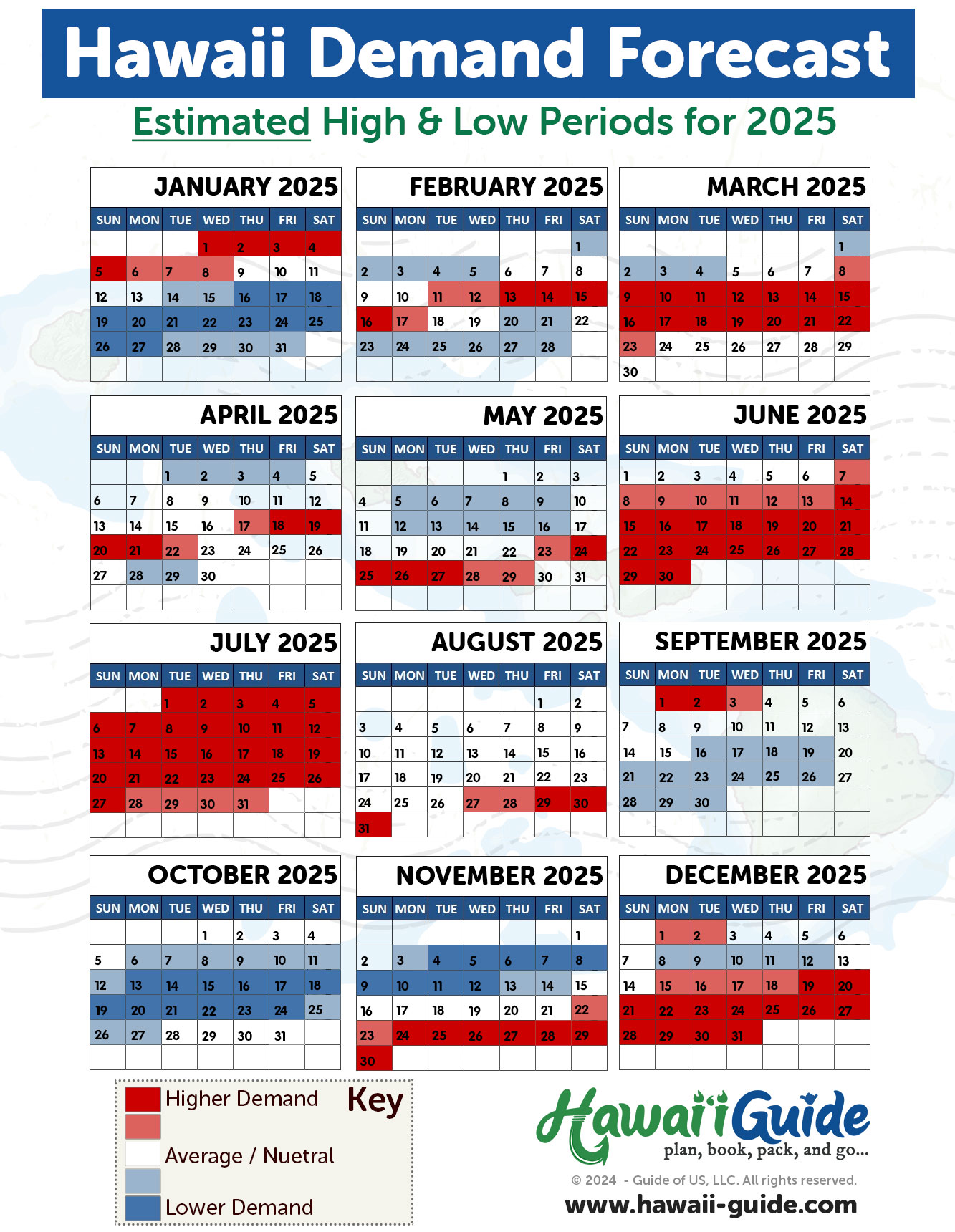
The most accurate way to view the off-season in Hawaii is through the lens of “shoulder seasons.” These are the periods between the massive influx of holiday travelers and summer vacationers. The two primary windows are mid-April to early June and mid-September to mid-December. During these times, the demand for flights and accommodation drops, leading to more competitive pricing and a generally lower density of visitors at popular landmarks.
When to Avoid
To understand the off-season, one must first identify the “on-season.” Peak demand occurs during the winter holidays (late December through early January), Golden Week (a period of high Japanese tourism in early May), and the height of summer break from mid-June to August. During these times, prices for flights and lodging skyrocket, and popular spots like Waikiki Beach or Hanauma Bay become significantly more crowded.
Advantages of Traveling During the Off-Season
Choosing to visit during the quieter months offers a distinct set of benefits that can transform a standard vacation into a truly immersive experience. When the island is less congested, the rhythm of life slows down to match the local pace, often referred to as “island time.”
Economic Benefits and Value
The most immediate advantage of traveling in the shoulder season is cost. Hotels and resorts, such as the Grand Wailea or the Halekulani Hotel, often offer lower nightly rates. Rental car agencies frequently drop their daily prices when demand is low, and even local tour operators are more likely to offer discounted packages. By traveling during these off-peak months, you can stretch your budget to include experiences that might otherwise feel like a splurge.
A More Intimate Connection with Nature
Hawaii’s natural beauty is best enjoyed without the bottleneck of hundreds of other tourists. Visiting Haleakala National Park on Maui during a quiet Tuesday in October allows for a contemplative experience at the summit, far removed from the sunrise crowds of high season. Similarly, trails along the Napali Coast on Kauai feel more wild and remote, allowing you to appreciate the sheer scale of the landscape without the distraction of bustling tour groups.
Easier Access to Dining and Activities
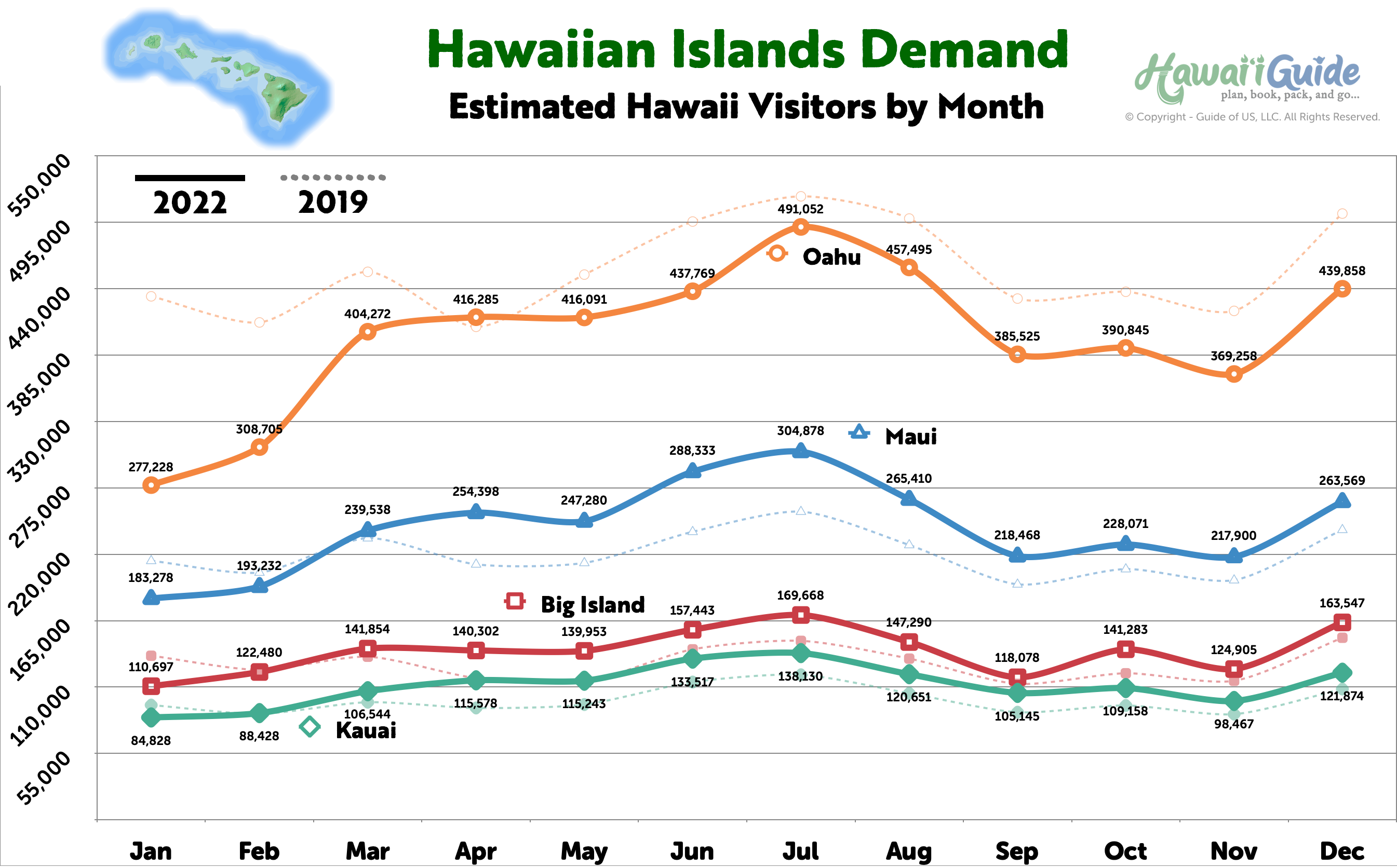
One of the frequent frustrations of peak-season travel is the inability to get a reservation at top-rated restaurants or secure a spot on a popular boat tour. During the off-season, you gain significantly more flexibility. Whether you are aiming for a sunset dinner at Mama’s Fish House or trying to book a helicopter tour over the Big Island, the decreased competition makes it easier to curate your ideal itinerary on shorter notice.
Navigating Weather and Events During Quiet Months
While the climate remains warm, visitors should be aware of the minor seasonal variations that occur during the off-season months.
Rainfall Patterns
The winter months, particularly November through March, are considered the wet season. However, this usually manifests as short, refreshing showers rather than days of continuous downpour. In the shoulder months of late spring and autumn, the weather is often at its most temperate—dry enough for beach days but cool enough for extensive hiking. It is worth noting that microclimates vary wildly; the windward side of Oahu will always be wetter than the leeward side, regardless of the season.
Seasonal Surfing and Ocean Conditions
For those interested in surfing, timing is everything. The winter months bring massive swells to the North Shore of Oahu, making the famous Banzai Pipeline a sight to behold for spectators. If your goal is calm, swimmable water, the shoulder seasons—specifically late spring and early autumn—provide the best balance of moderate surf and excellent snorkeling visibility at spots like Molokini Crater.
Cultural and Local Events
Traveling during the off-season does not mean missing out on culture. In fact, many local events, such as the Merrie Monarch Festival in Hilo or various food and music festivals, often occur outside the primary holiday windows. These events offer a deeper insight into the traditions of the native people and the contemporary spirit of the islands. Attending these during less busy periods allows for genuine interaction with residents rather than feeling like a spectator in a tourist-heavy environment.

Practical Tips for the Savvy Traveler
To make the most of an off-season trip, preparation remains essential. While the crowds are thinner, the islands still require respect and planning.
- Book Flexible Accommodations: Even in the off-season, popular boutique hotels or unique stays can book up. Use the quieter months to look for special promotional packages that are rarely offered in July or December.
- Embrace Spontaneity: Without the pressure of overbooked tours, feel free to leave some days open. You might find that a conversation with a local at a farmer’s market leads to a recommendation for a hidden waterfall or a local food truck that isn’t featured in the mainstream guidebooks.
- Respect the Land and Community: Regardless of the time of year, Hawaii is a place with a fragile ecosystem and a deep-rooted culture. Being an “off-season” traveler often means you have more time to learn about local etiquette, support locally-owned businesses, and minimize your environmental impact on the trails and reefs.
Ultimately, the off-season in Hawaii is not about what you lose by not visiting during the peak, but rather what you gain in peace, value, and authenticity. By shifting your travel window, you transform your perspective of the islands from a crowded playground into a living, breathing, and profoundly beautiful home. Whether you are wandering the Waimea Canyon or watching the sunset at Diamond Head, the quieter months provide the space for the magic of Hawaii to truly resonate.
LifeOutOfTheBox is a participant in the Amazon Services LLC Associates Program, an affiliate advertising program designed to provide a means for sites to earn advertising fees by advertising and linking to Amazon.com. Amazon, the Amazon logo, AmazonSupply, and the AmazonSupply logo are trademarks of Amazon.com, Inc. or its affiliates. As an Amazon Associate we earn affiliate commissions from qualifying purchases.