
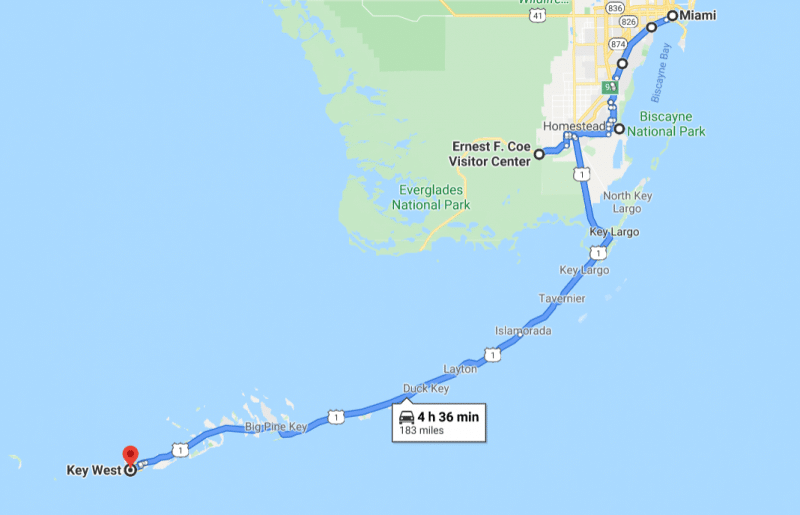
The journey from Miami to Key West is widely considered one of the most iconic road trips in North America. Stretching across the Florida Keys, this route is not merely a transfer between two points; it is a transition into a unique, tropical rhythm of life. For travelers wondering exactly how many miles they must traverse, the answer is approximately 160 miles, depending on your exact starting point in the Magic City and your final destination on the island.
While the mileage may seem modest by interstate standards, the Overseas Highway ensures this is an experience measured in scenery rather than speed. With the Atlantic Ocean on one side and the Gulf of Mexico on the other, the drive is a masterclass in coastal beauty.
Navigating the Overseas Highway: What to Expect
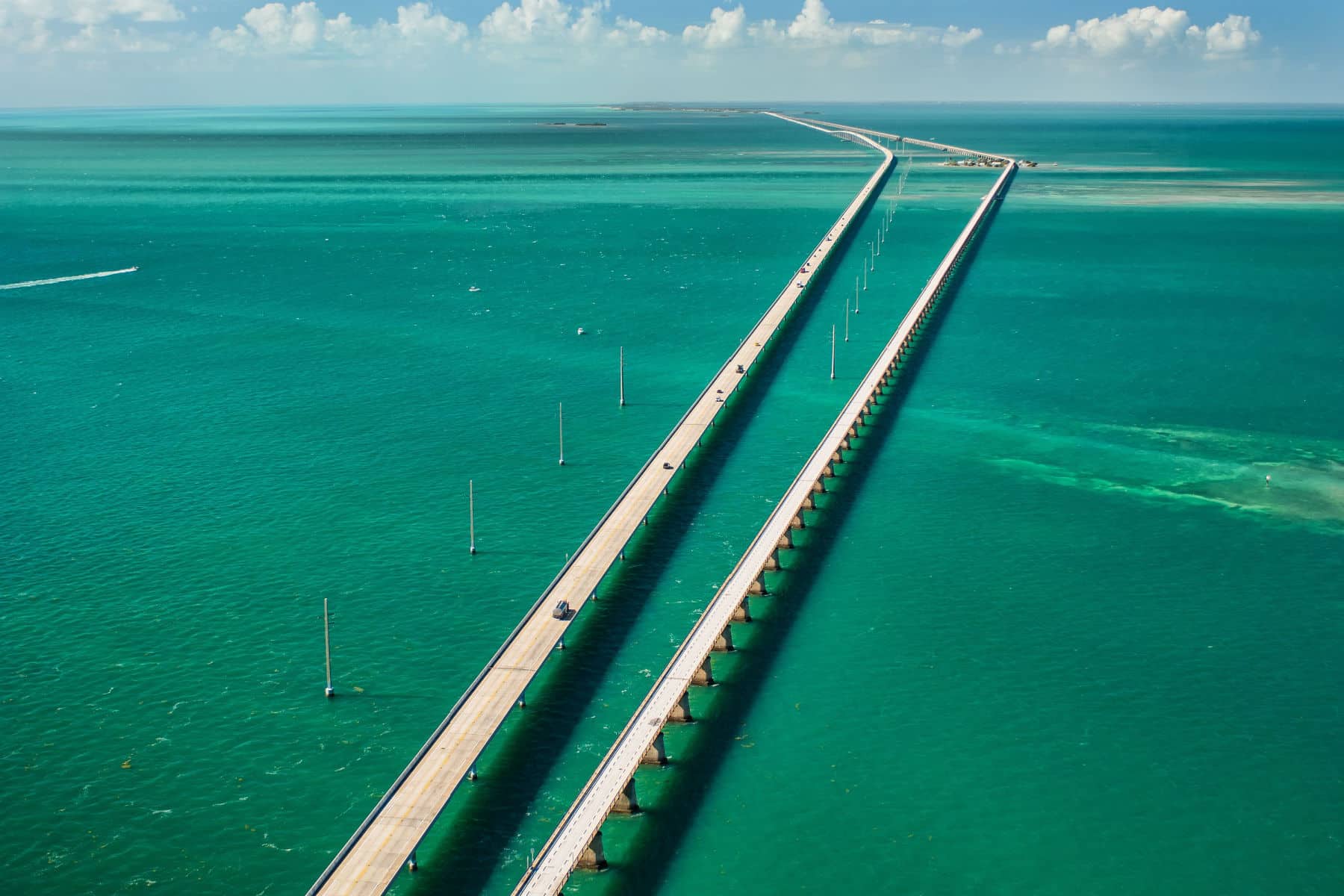
The route southward is dominated by a single, vital artery: U.S. Route 1. This road serves as a bridge between the mainland and the archipelago, carrying travelers over 42 bridges that seem to hover just above the turquoise surface of the water.
Understanding the Travel Time
While the distance is roughly 160 miles, calculating travel time requires a different approach than typical highway driving. Under optimal conditions—without significant traffic—the drive takes about three and a half to four hours. However, the Florida Keys are a popular destination, and the Overseas Highway is a two-lane road for much of its length. On weekends or holidays, local traffic or tourists stopping for photographs can easily turn a four-hour trip into a six-hour excursion.
It is best to approach this drive with the mindset that the journey is the destination. Rushing through the Middle Keys misses the point of the experience.
The Geography of the Journey
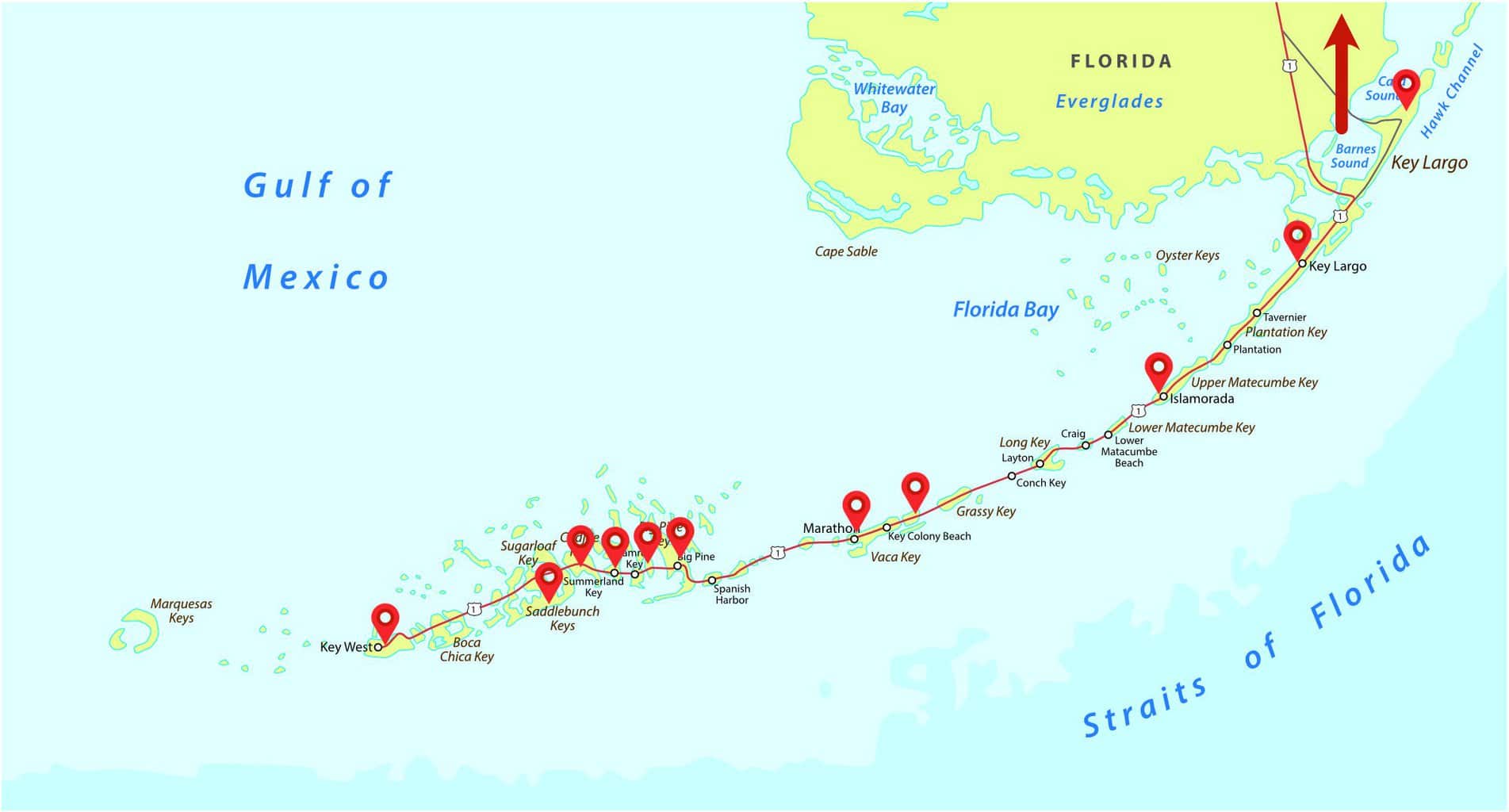
The road begins in earnest once you pass through Florida City. Shortly after, you enter Key Largo, the first of the major keys. From there, you will traverse Islamorada, the Marathon area, and eventually cross the famous Seven Mile Bridge before arriving in the Lower Keys. Each segment of the drive offers distinct vistas and changing water colors, shifting from deep navy blues to shallow, shimmering teals.
Essential Stops Along the Way
Treating the drive as a 160-mile sprint does a disservice to the landscape. To truly appreciate the geography between Miami and Key West, you must schedule time for exploration.
Natural Wonders and Marine Life
The John Pennekamp Coral Reef State Park in Key Largo is an essential stop. As the first undersea park in the United States, it offers glass-bottom boat tours and snorkeling opportunities that showcase the fragile beauty of the reef. Farther down, the Bahia Honda State Park provides access to some of the most beautiful beaches in the region. The old railway bridge, which stands as a silent sentinel nearby, offers a perfect photo opportunity that captures the history of the Henry Flagler era.
Coastal Cuisine and Cultural Flavor
Traveling down the Overseas Highway offers a variety of roadside eateries that define the local culinary scene. From fresh stone crab claws in Marathon to authentic key lime pie in Islamorada, the food is as much a part of the trip as the driving. Stopping in small fishing villages allows you to interact with locals who have called this narrow string of islands home for generations.
Tips for a Successful Road Trip
Crossing the distance between Miami and Key West requires careful planning, particularly regarding timing and vehicle preparation.
Timing Your Departure
To avoid the worst of the traffic leaving Miami, it is highly recommended to depart either very early in the morning—well before 7:00 AM—or in the mid-evening hours. If you are traveling on a Friday afternoon or returning on a Sunday, anticipate delays. Because U.S. Route 1 has few alternate routes, congestion is common.
Vehicle Readiness
Before setting out, ensure your vehicle is in good working order. While there are gas stations and service centers throughout the Florida Keys, the remoteness of some stretches can make minor car troubles inconvenient. Ensure your tires are properly inflated and that you have plenty of water and sun protection, as the tropical sun can be intense even while driving.
Respecting the Ecosystem
It is important to remember that the Florida Keys constitute a highly sensitive environmental corridor. When driving, stay on the designated roadway and be mindful of local wildlife, particularly in areas like the National Key Deer Refuge near Big Pine Key. Reduced speed limits in these areas are strictly enforced to protect the Key Deer, an endangered species found only in this specific corner of the world.
Arrival in Key West: The End of the Road
Upon reaching your final destination, you will find that the atmosphere shifts from the open-road serenity of the Overseas Highway to the vibrant, historic charm of Key West. The transition from the 160-mile drive into the narrow, palm-lined streets of the city is part of the allure.
Exploring the Island
Once you arrive, you will likely find that you no longer need your car. The city is highly walkable, and many visitors prefer renting bicycles to navigate the local neighborhoods. Key landmarks like the Ernest Hemingway Home and Museum and the bustling Duval Street are best experienced at a slower pace. Ending your journey at the Southernmost Point Buoy serves as a symbolic conclusion to the 160-mile trek, marking the spot where the road ends and the endless expanse of the Caribbean Sea begins.
Whether you are seeking the tranquility of the Florida Keys or the eccentric energy of Key West, the drive is an essential part of the travel experience. By understanding the distance, respecting the environment, and planning for the unique traffic patterns of this region, you can transform what is simply a point-to-point journey into a memorable expedition through one of the most stunning coastal landscapes in the United States.
LifeOutOfTheBox is a participant in the Amazon Services LLC Associates Program, an affiliate advertising program designed to provide a means for sites to earn advertising fees by advertising and linking to Amazon.com. Amazon, the Amazon logo, AmazonSupply, and the AmazonSupply logo are trademarks of Amazon.com, Inc. or its affiliates. As an Amazon Associate we earn affiliate commissions from qualifying purchases.