
Understanding the demographic landscape of Maui is essential for anyone interested in the cultural and social fabric of the “Valley Isle.” As the second-largest island in the Hawaii archipelago, this destination is much more than a collection of pristine beaches and high-end resorts. With a population that fluctuates based on seasonal tourism, understanding the permanent residency versus the transient visitor count provides a clearer picture of what life is like on this Pacific paradise.
Demographic Overview and Population Trends
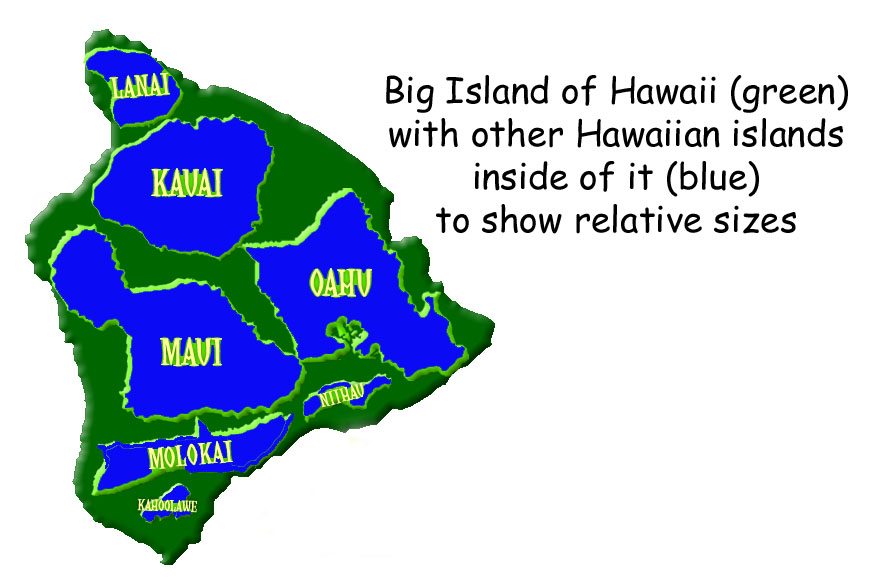
According to the most recent census data and local economic reports, the permanent resident population of Maui County typically hovers around 165,000 to 168,000 people. This number encompasses the main island of Maui, as well as the smaller neighboring islands of Lanai, Molokai, and the uninhabited Kahoolawe.

The island of Maui specifically accounts for the vast majority of this population. Unlike the bustling metropolitan environment of Oahu, Maui maintains a more spread-out, semi-rural character. The population growth on the island has been relatively steady over the last two decades, though it is heavily impacted by the cost of living and the limited availability of housing.
The Impact of the Tourism Economy
A unique characteristic of Maui is the sheer volume of visitors present at any given time. On an average day, there are often 50,000 to 70,000 tourists on the island. When you combine this visitor population with the permanent residents, the island’s infrastructure, such as roads and utilities, is frequently tasked with supporting a daily population that significantly exceeds the permanent census count.
This dynamic creates a complex relationship between the local workforce and the tourism industry. Many residents are employed in sectors directly related to hospitality, which influences where people choose to live. Areas like Lahaina, Kihei, and Wailuku serve as hubs for both the local community and the service workers who make the Hawaii experience possible for millions of travelers.
Key Population Hubs on Maui
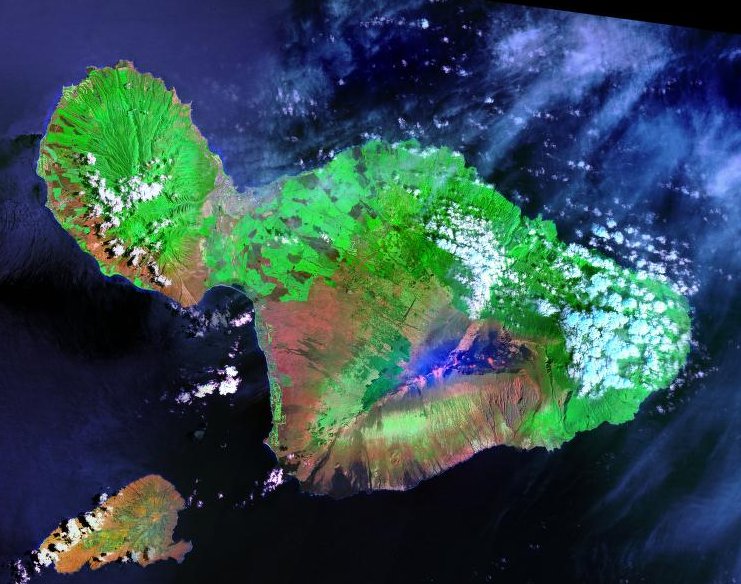
The geography of Maui largely dictates where the population is centered. Because of the island’s unique shape—formed by two major volcanoes, Haleakala and the West Maui Mountains—the population is distributed primarily along the coasts and the central isthmus.
Central Maui: The Administrative Core
Kahului and Wailuku serve as the central hubs of the island. Kahului is the industrial and commercial center, housing the primary airport, Kahului Airport, and the majority of the island’s major shopping centers. Wailuku, located just a few minutes away, serves as the government seat for Maui County. These two areas contain a high density of permanent residents, offering a look at the “real” Maui away from the tourist resorts.
West Maui: History and Hospitality
Lahaina has long been one of the most culturally significant areas of the island. Historically the capital of the Hawaiian Kingdom, it transformed over the years into a primary tourist destination. Nearby, Kaanapali and Kapalua represent the luxury resort side of West Maui. While the permanent population here is smaller than in the central region, the high number of seasonal workers and visitors keeps this part of the island extremely active.
South Maui: The Sunny Coast
Kihei and Wailea are characterized by their dry, sunny climate, which makes them highly attractive for both residents and visitors. Kihei features a mix of residential condos, long-term rentals, and local businesses. Wailea, conversely, is synonymous with world-class resorts and high-end real estate, creating a diverse demographic of affluent homeowners and service-industry professionals.
Challenges of Sustaining the Population
Living on an island as remote as Maui comes with significant challenges. The cost of living is consistently ranked among the highest in the United States. Because almost all goods must be shipped in, the price of groceries, fuel, and electricity is significantly higher than on the mainland.
The Housing Crisis
Housing affordability is perhaps the most significant factor affecting the population of Maui. With the rise of vacation rentals and high demand for real estate, many long-time local families have faced pressure to move off-island. This has led to a shifting demographic, where the younger generation often struggles to establish roots in the communities where they were raised.
Infrastructure and Sustainability
The island’s infrastructure is constantly being tested by the high volume of daily visitors. From water management to waste processing, the local government has to balance the needs of its permanent residents with the demands of the tourism sector. This has sparked ongoing discussions regarding “managed tourism,” with the goal of ensuring that the local population does not feel squeezed out by the very industry that supports the local economy.
Cultural Diversity and Community Life
The population of Maui is incredibly diverse, reflecting a rich tapestry of cultural backgrounds. The historical influence of the plantation era brought workers from countries such as Japan, the Philippines, China, and Portugal. Today, this “melting pot” culture is a cornerstone of daily life.
The Role of Native Hawaiian Heritage
At the heart of the community is the deep-rooted culture of the Native Hawaiian people. Efforts to preserve the language, traditions, and connection to the land (aina) are central to the identity of the island. Many residents work to ensure that Maui remains a place where these traditions are not just respected, but actively practiced.
Community Events and Lifestyle
Whether it is participating in a local outrigger canoe race or gathering for a community festival in Makawao or Paia, the residents of Maui are deeply connected. The “Aloha Spirit” isn’t just a marketing slogan; it is a way of life that dictates how people interact with one another. This community-focused culture is what keeps many families on the island despite the economic hurdles.
Ultimately, while the population numbers tell one part of the story, the heart of Maui is found in its people. Balancing the beauty of the Pacific Ocean and the Haleakala National Park with the needs of a modern, working community is an ongoing process. As visitors come to enjoy the island, they are increasingly encouraged to be mindful of the local population and the delicate balance required to maintain this island home for future generations.
LifeOutOfTheBox is a participant in the Amazon Services LLC Associates Program, an affiliate advertising program designed to provide a means for sites to earn advertising fees by advertising and linking to Amazon.com. Amazon, the Amazon logo, AmazonSupply, and the AmazonSupply logo are trademarks of Amazon.com, Inc. or its affiliates. As an Amazon Associate we earn affiliate commissions from qualifying purchases.