
The climate of Los Angeles is perhaps the city’s most famous resident. Often described as a Mediterranean paradise, the weather in this sprawling metropolis is a primary driver for the millions of visitors who flock to California every year. When asking what the temperature was today, one must understand that “The City of Angels” is a collection of microclimates. Depending on whether you spent your day at the Santa Monica Pier or deep in the San Fernando Valley, the experience of the heat or chill would have been drastically different.
Understanding the Microclimates of Southern California
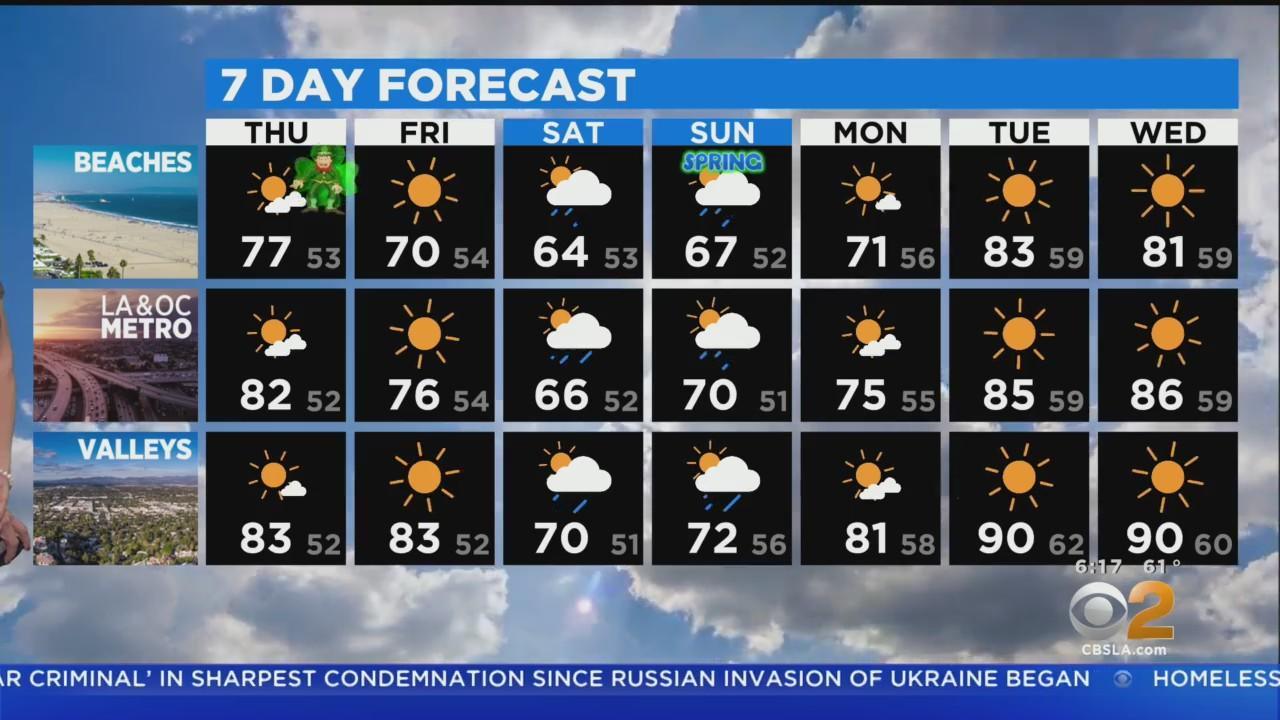
To truly grasp the temperature in Los Angeles, one must look at the geography. The interaction between the cool Pacific Ocean and the inland mountains creates a complex weather map that defies a single city-wide reading.
The Coastal Effect
If you were near Venice Beach or Malibu today, you likely experienced the “marine layer.” This coastal fog acts as a natural air conditioner. Even during the peak of summer, the temperatures along the coastline are frequently 10 to 15 degrees Fahrenheit cooler than just a few miles inland. This phenomenon keeps the average temperature in areas like Manhattan Beach hovering in the comfortable 70s, even while the rest of the county might be sweltering.
The Inland Basin and Valleys
Once you move past the Santa Monica Mountains, the cooling effect of the ocean diminishes rapidly. In neighborhoods like Hollywood or Downtown Los Angeles, the concrete density traps heat, making the day feel significantly warmer. Farther inland, the San Gabriel Valley often records the highest temperatures in the region. When weather reports state that the temperature in Los Angeles reached triple digits, they are almost certainly referring to these inland basins, not the beaches.
Seasonal Shifts and Visitor Expectations
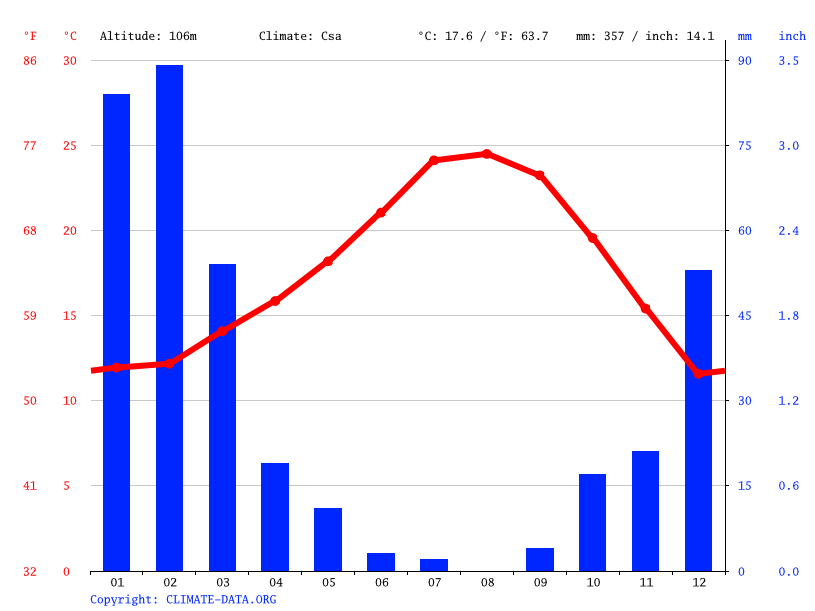
Visitors often make the mistake of assuming Los Angeles is hot year-round. While the winters are famously mild compared to the rest of the United States, the seasonal variations still dictate how one should pack and plan their itinerary.
Summer: The Season of Heatwaves
Summer in Southern California is characterized by dry heat and intense sunshine. This is the time when the “Santa Ana winds” can occasionally push hot, dry air from the Mojave Desert toward the coast. During these events, the temperature can spike dramatically, changing the feel of a morning hike in Griffith Park from pleasant to grueling within a matter of hours. If you are visiting during this season, it is essential to hydrate and plan high-exertion activities for the early morning.
Winter: The Gentle Season
The “winter” in Los Angeles is a misnomer for those accustomed to snow. With daytime highs rarely dropping below 65 degrees, the city remains an outdoor playground throughout January and February. However, because the air is so dry, the temperature drops sharply as soon as the sun dips below the horizon at the Santa Monica Mountains National Recreation Area. A light jacket is a mandatory accessory for any evening plans, whether you are dining in Beverly Hills or catching a show at the Hollywood Bowl.

Planning Your Activities Based on the Thermometer
Since the weather is so variable, the savvy traveler uses the temperature forecast as a primary tool for deciding where to go on any given day.
Ideal Days for Sightseeing
On days when the thermometer sits in the “Goldilocks zone”—typically between 70 and 78 degrees—the city is best explored on foot. This is the perfect time to visit The Getty Center or wander through the Los Angeles County Museum of Art. The moderate temperatures allow you to walk between galleries and outdoor installations without the distraction of heat exhaustion or the need for heavy layers.
Managing Hot Days
When the mercury climbs, locals adapt by retreating to water-adjacent locations. Days like these are best spent at the Long Beach Waterfront or exploring the coastal cliffs of Palos Verdes. Alternatively, the cultural institutions of Downtown Los Angeles, such as The Broad, offer climate-controlled environments that allow you to enjoy the city’s artistic heritage while avoiding the midday sun.
Cool or Overcast Days
If the weather report shows a persistent marine layer or a “cool” day in the low 60s, it is an excellent opportunity to explore the more rugged nature of California. The Angeles National Forest becomes much more accessible when the sun isn’t beating down on the trails. Additionally, the slightly cooler, overcast weather is perfect for a drive up the coast toward Santa Barbara, where the atmosphere feels moody and cinematic, perfectly capturing the classic Southern California vibe often seen in films.
The Cultural Impact of the Weather
The temperature in Los Angeles does more than just dictate clothing; it defines the lifestyle. The ability to live “out of the box”—meaning outdoors and active—is the cornerstone of the city’s identity.
From the surfing culture in Huntington Beach to the cycling trails that connect Culver City to the ocean, the climate encourages a lifestyle that prioritizes health, movement, and social interaction. When the temperature is high, the city moves toward the water. When it is mild, the city moves toward the parks and the hills.
Ultimately, asking about the temperature in Los Angeles is really asking for a permission slip to experience a specific side of the city. Whether you prefer the refreshing mist of the Pacific Ocean or the golden, sun-drenched paths of the inland trails, the city offers an environment for every preference. By paying attention to the local forecasts and understanding that the city is a patchwork of distinct climatic zones, you can ensure that your time in Southern California is perfectly matched to the weather of the day.
Whether you are looking for the vibrant heat of the urban center or the cool breeze of the coastline, Los Angeles rarely disappoints. Keep an eye on the forecast, pack your layers, and remember that in a city this diverse, there is always a microclimate that offers the perfect temperature for your next adventure.
LifeOutOfTheBox is a participant in the Amazon Services LLC Associates Program, an affiliate advertising program designed to provide a means for sites to earn advertising fees by advertising and linking to Amazon.com. Amazon, the Amazon logo, AmazonSupply, and the AmazonSupply logo are trademarks of Amazon.com, Inc. or its affiliates. As an Amazon Associate we earn affiliate commissions from qualifying purchases.