
When planning a journey to the largest island in the Hawaii archipelago, understanding the demographic landscape is as essential as packing your sunscreen. Known officially as the Island of Hawaii, this vast landmass, often referred to as the Big Island, offers a unique blend of untamed wilderness and vibrant local communities. As of the most recent census data and demographic estimates, the resident population of the Big Island hovers around 205,000 to 210,000 people.
While this number might seem modest compared to the dense urban sprawl of Oahu, it represents a significant and steadily growing community spread across a diverse landscape that includes everything from active volcanic craters to lush tropical rainforests. Understanding who lives here and where they are concentrated provides travelers with a deeper appreciation for the local culture and the socio-economic rhythms of this majestic destination.
Regional Distribution and Primary Population Hubs
The human geography of the Big Island is heavily influenced by its challenging topography. Because much of the interior is dominated by high-altitude peaks like Mauna Kea and Mauna Loa, the vast majority of the population resides along the coastline, where infrastructure, commerce, and employment opportunities are most abundant.
The East Side: Hilo and Puna
The eastern side of the island is anchored by the historic town of Hilo. As the seat of the county government and home to the University of Hawaii at Hilo, this region serves as a central hub for public services, education, and agriculture. Hilo possesses a distinct character, defined by its abundant rainfall, lush vegetation, and traditional Polynesian influence. The surrounding Puna district has seen considerable shifts in population due to historical volcanic activity, yet it remains one of the most culturally diverse and rapidly evolving areas on the island.
The West Side: Kailua-Kona and Kohala
In contrast to the rain-kissed east, the western coast, known as Kona, is sunny, arid, and highly focused on the tourism and hospitality sectors. Kailua-Kona acts as the primary gateway for visitors flying into the Kona International Airport. This region is where much of the island’s economic growth is concentrated, driven by resorts, coffee farms, and the thriving service industry that supports the influx of travelers visiting iconic sites like the Puuhonua o Honaunau National Historical Park.
Demographic Trends and Economic Drivers
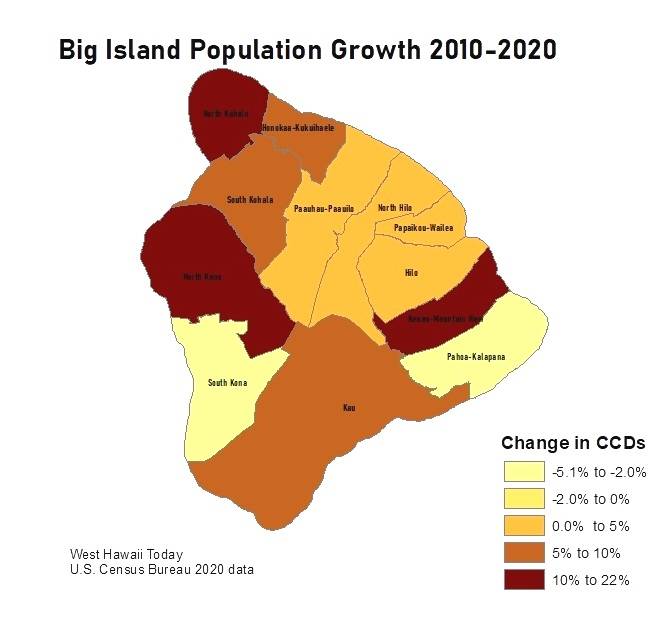
The population of the Big Island is not just a static number; it is a dynamic reflection of broader demographic trends within the United States. Over the past two decades, the island has experienced consistent growth, largely fueled by individuals moving from the mainland, as well as migration from other parts of the Hawaiian Islands.
Economic Influences on Residency
The cost of living, while generally lower than in Honolulu, plays a critical role in where residents choose to settle. The Big Island relies heavily on a multifaceted economy. Agriculture remains a pillar, with Kona Coffee and macadamia nuts serving as world-renowned exports. Simultaneously, the construction and hospitality industries provide a steady stream of jobs, attracting workers from diverse backgrounds to settle in towns like Waimea and Waikoloa Village.

Tourism as a Demographic Factor
Tourism is undeniably the most prominent economic driver. The sheer scale of the Big Island means that even with a population of over 200,000, the island rarely feels crowded compared to global tourist hotspots. However, the presence of visitors adds a “floating population” that significantly alters the local demand for resources and services. This interplay between permanent residents and temporary visitors creates a unique community environment where hospitality is deeply ingrained in the local lifestyle.
The Cultural Fabric of the Big Island
To understand the population of this island, one must look beyond the census statistics and explore the rich cultural tapestry that binds its people together. The demographic makeup is a vibrant mix of Native Hawaiian ancestry, Asian heritage—particularly Japanese, Filipino, and Chinese roots dating back to the plantation era—and an increasing number of residents of Caucasian and Hispanic descent.
Community Spirit and “Aloha”
Despite the geographic distance between towns, there is a strong sense of unified identity. The concept of aloha is more than just a greeting; it is a way of life that dictates how the community interacts. Whether you are in the bustling streets of Kailua-Kona or the quiet, sprawling ranch lands of the Hamakua Coast, the local population values community, family, and a connection to the land, or aina.
The Impact of Geography on Social Life
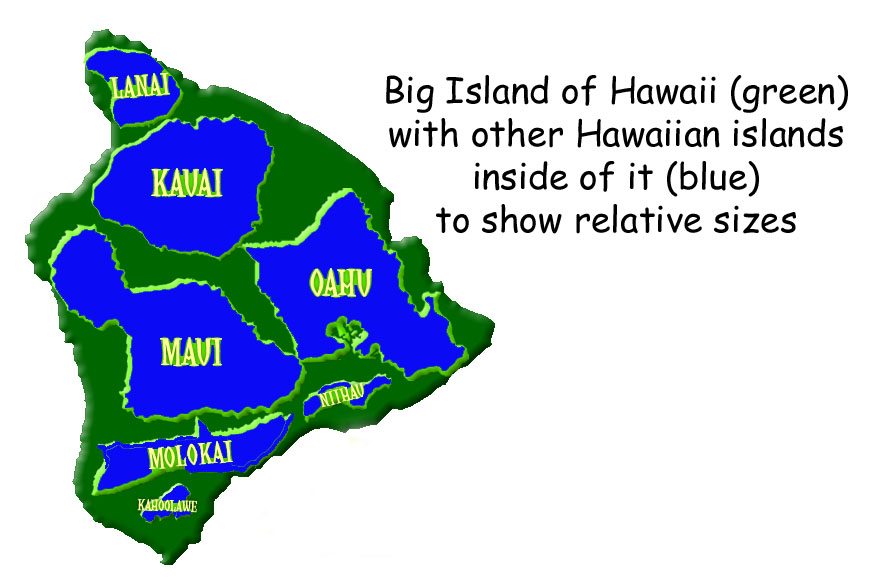
The island’s immense size—it is larger than all other islands in the chain combined—affects social life. Residents often refer to themselves as being from “the East side” or “the West side,” as travel between these regions can take several hours. This has fostered localized identities. For instance, the mountain town of Waimea has a rugged, paniolo (Hawaiian cowboy) culture that is vastly different from the coastal, beach-centric lifestyle found in South Kohala.
Looking Toward the Future
As the Big Island continues to develop, urban planning and resource management are becoming increasingly vital. The challenge lies in balancing the needs of a growing permanent population with the pressures of maintaining the island’s natural beauty and cultural integrity.
Sustainability and Growth
Many residents are deeply involved in efforts to ensure that growth is sustainable. From protecting the biodiversity of Hawaii Volcanoes National Park to advocating for local food security, the people of the Big Island are proactive about their future. The influx of new residents, often drawn by the island’s remote work capabilities and superior quality of life, is slowly reshaping the demographics of small, previously isolated communities.
A Welcoming Destination
For those visiting the island, the resident population offers more than just a labor force; they offer a perspective. Interacting with local artisans, shop owners in Hawi, or guides leading tours near Akaka Falls provides a window into the reality of life in the middle of the Pacific Ocean. The Big Island is a place where modern American life meets ancient Hawaiian tradition, creating a community that is as resilient as the volcanic rock upon which it is built.
Whether you are here for the Ironman World Championship or a quiet retreat near the Kohala Coast, knowing that you are sharing space with a diverse, vibrant community of over 200,000 people adds a layer of respect and connection to your travel experience. The Big Island is not just a destination; it is a home for a unique population that continues to define the spirit of Hawaii.
LifeOutOfTheBox is a participant in the Amazon Services LLC Associates Program, an affiliate advertising program designed to provide a means for sites to earn advertising fees by advertising and linking to Amazon.com. Amazon, the Amazon logo, AmazonSupply, and the AmazonSupply logo are trademarks of Amazon.com, Inc. or its affiliates. As an Amazon Associate we earn affiliate commissions from qualifying purchases.