
The seasonal rhythms of the Atlantic Ocean often dictate the plans of millions of travelers. When news of a developing system like Hurricane Leslie begins to circulate, the primary question for anyone with a scheduled vacation to the Sunshine State is: “Will it hit Florida?” For the tourism industry, the answer involves more than just a yes or no; it encompasses a complex landscape of preparedness, visitor safety, and the cultural resilience that defines this tropical destination. Understanding the trajectory of such storms is essential for navigating local activities and ensuring that your trip remains both safe and enjoyable.

Understanding Hurricane Leslie and the Current Outlook for Florida
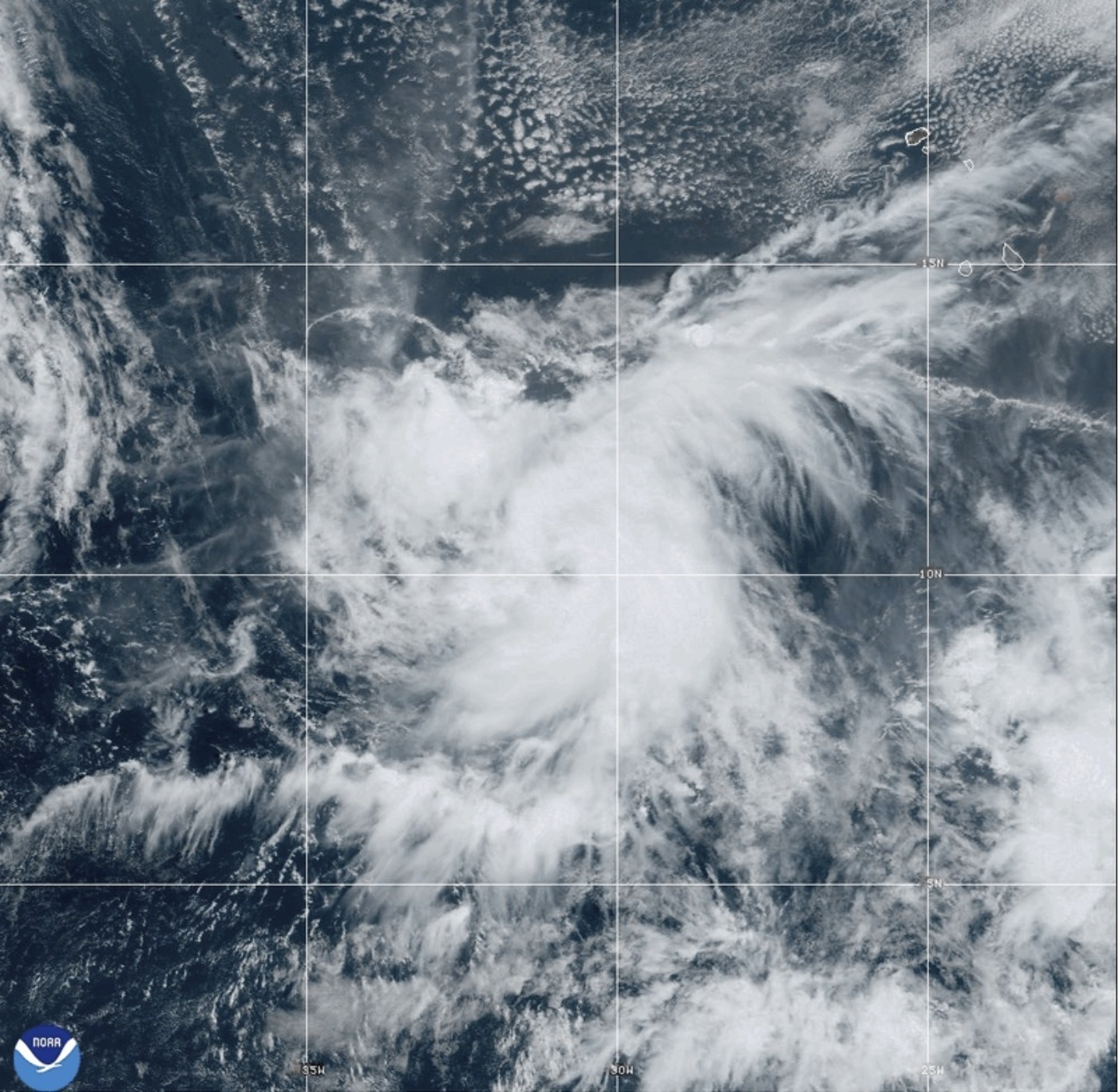
Tracking a tropical system requires a blend of advanced meteorology and constant vigilance. While the term “hurricane” often sparks immediate concern, the reality of Hurricane Leslie is best understood through the lens of data provided by the National Hurricane Center. These systems typically originate in the warm waters of the Atlantic Ocean or the Caribbean Sea, gaining strength as they move toward the coastlines of the United States.
Tracking the Path of the Storm
Meteorologists utilize a variety of models—often referred to as “spaghetti models”—to predict where a storm might make landfall. For travelers, staying updated via the National Oceanic and Atmospheric Administration is the first line of defense. If the projected path shifts toward the Gulf of Mexico, coastal cities like Tampa and Sarasota may see increased rainfall and wind. Conversely, an eastern track might threaten Palm Beach or even bypass the peninsula entirely, heading toward Bermuda or the Bahamas. The unpredictability of these systems means that while the “cone of uncertainty” may currently include the Panhandle, local conditions can change rapidly.
Historical Context of Storms in the Region
Florida is no stranger to tropical activity. Historically, the peak of the season occurs between August and October. Residents in St. Augustine, the nation’s oldest city, have witnessed centuries of weather cycles. This long history has fostered a culture of extreme preparedness. For a tourist, this means that even if a storm like Hurricane Leslie approaches, the infrastructure in places like Miami and Fort Lauderdale is designed to handle significant rainfall and high winds, minimizing the long-term impact on local attractions.
Navigating the Impact on Florida’s Tourism Industry
When a hurricane warning is issued, the tourism ecosystem shifts into high gear. The priority is always the safety of visitors, followed closely by the protection of the state’s world-renowned landmarks. From the bustling streets of Orlando to the tranquil shores of The Florida Keys, the threat of a storm changes how visitors experience the state.
Travel Disruptions in Major Hubs
Transportation is the first area to feel the impact. Miami International Airport and Orlando International Airport are two of the busiest transit points in the world. In the event of a projected hit, airlines often proactively issue travel waivers, allowing tourists to reschedule their trips without penalty. Similarly, the cruise industry, centered in PortMiami and Port Canaveral, may alter itineraries to keep ships safely away from the storm’s path. If you are scheduled to visit Key West, it is vital to keep in contact with your transport providers, as the Overseas Highway is the only route in and out of the islands.
Theme Parks and Major Attractions
In Central Florida, the major theme parks have sophisticated protocols. Walt Disney World Resort and Universal Orlando Resort rarely close, but they do have “Hurricane Policies” that allow for cancellations or rescheduling if a hurricane warning is issued by the National Hurricane Center within seven days of arrival. For tourists, this provides a safety net. Even if the parks remain open, some outdoor shows or water-based activities at Busch Gardens Tampa Bay might be suspended for safety during high winds.
Essential Safety Tips for Travelers in the Sunshine State
Traveling during hurricane season requires a different set of preparations than a standard summer getaway. Being informed and having a plan are the best ways to ensure that a potential hit from a storm like Hurricane Leslie does not result in a crisis.
Monitoring Reliable Information Sources
The most important tip for any visitor is to rely on official sources. Local news stations in Jacksonville or Tallahassee provide hyper-local updates that are more relevant to your specific location than national broadcasts. The Florida Division of Emergency Management offers a wealth of resources, including maps of evacuation zones. It is also wise to download weather apps that provide real-time alerts for the specific county you are visiting, such as Miami-Dade County or Orange County.
Emergency Kits and Evacuation Routes
If you are staying in a vacation rental or a coastal area like Clearwater Beach, familiarize yourself with the evacuation routes. These are clearly marked with blue signs along major roads. While most hotels have backup generators and food supplies, it is a good idea to keep a small “go-bag” with essentials: portable chargers, a first-aid kit, bottled water, and non-perishable snacks. If you are exploring the natural beauty of Everglades National Park, be aware that these low-lying areas are often the first to be evacuated due to storm surge risks.
Exploring Indoor Activities During Weather Alerts
A hurricane threat doesn’t necessarily mean your entire trip is ruined. Often, the outskirts of a storm bring intermittent rain rather than a direct hit. This is the perfect time to pivot to the incredible indoor culture and activities that Florida has to offer.
Cultural Gems and Museums
When the beaches of South Beach are too windy, the city’s museums offer a sophisticated retreat. In Miami, the Vizcaya Museum and Gardens provides a look into the state’s Gilded Age history, though its outdoor gardens may close during storms. For an entirely indoor experience, the Salvador Dali Museum in St. Petersburg houses an unparalleled collection of surrealist art in a building designed to withstand a Category 5 hurricane. Likewise, the Kennedy Space Center near Cape Canaveral offers massive indoor exhibits where you can learn about the history of space flight while staying dry.
Shopping and Culinary Exploration
Indoor shopping malls are a staple of the local lifestyle and a great way to spend a rainy afternoon. Aventura Mall and the Mall at Millenia are destinations in their own right, featuring high-end boutiques and diverse dining options. Speaking of dining, use the time to dive into the local food scene. From the Cuban sandwiches of Little Havana to the fresh seafood in Naples, Florida’s culinary landscape is as diverse as its weather. Many local restaurants remain open even in heavy rain, offering a cozy atmosphere to enjoy a meal while the storm passes.
The Resilience of Florida Local Culture and Post-Storm Recovery
One of the most remarkable aspects of visiting Florida is witnessing the resilience of its communities. The local culture is built around a “keep calm and carry on” attitude when it comes to the weather. This spirit is evident in the rapid recovery of tourist zones following a storm.
Community Spirit and the “Hurricane Party”
While safety is the priority, there is a unique local tradition known as the “hurricane party.” This involves neighbors coming together to hunker down, share food, and support each other through the night. For a tourist, seeing this community spirit in places like Coral Gables or Destin offers a deeper insight into the local character. Floridians are pros at preparation, and their ability to bounce back is why the tourism industry remains so robust year after year.

Supporting Local Businesses Post-Storm
If Hurricane Leslie or any other storm does make landfall, the best way for visitors to help is by returning as soon as it is safe. Coastal towns along the Gulf Coast and the Panhandle, such as Pensacola, rely heavily on tourism dollars to fund their recovery efforts. Visiting the Art Deco Historic District or taking a boat tour in Daytona Beach shortly after a storm helps local businesses get back on their feet. The state’s ability to clean up, repair, and reopen within days of a weather event is a testament to the importance of tourism to the local economy.
In conclusion, while the question “Will Hurricane Leslie hit Florida?” is a valid concern for any traveler, it should not be a reason for panic. By staying informed, following the guidance of local authorities, and being flexible with your itinerary, you can navigate the challenges of hurricane season. Whether you are exploring the historic streets of St. Augustine or enjoying the modern luxuries of Miami, the Sunshine State remains a premier destination, rain or shine. Florida’s tourism industry is built on a foundation of safety and hospitality, ensuring that even when the skies turn gray, the spirit of the destination remains as bright as ever.
LifeOutOfTheBox is a participant in the Amazon Services LLC Associates Program, an affiliate advertising program designed to provide a means for sites to earn advertising fees by advertising and linking to Amazon.com. Amazon, the Amazon logo, AmazonSupply, and the AmazonSupply logo are trademarks of Amazon.com, Inc. or its affiliates. As an Amazon Associate we earn affiliate commissions from qualifying purchases.