
Many travelers dream of the perfect tropical escape, and Hawaii often tops the list. With its lush landscapes, golden beaches, and volcanic majesty, it is a paradise that seems almost otherworldly. However, understanding the climate is essential for planning an unforgettable getaway. While the islands are famous for their “endless summer” vibe, the weather is more complex than it appears on the surface, dictated by dramatic elevation changes, trade winds, and the vast Pacific Ocean.
The Two Seasons of the Pacific Paradise
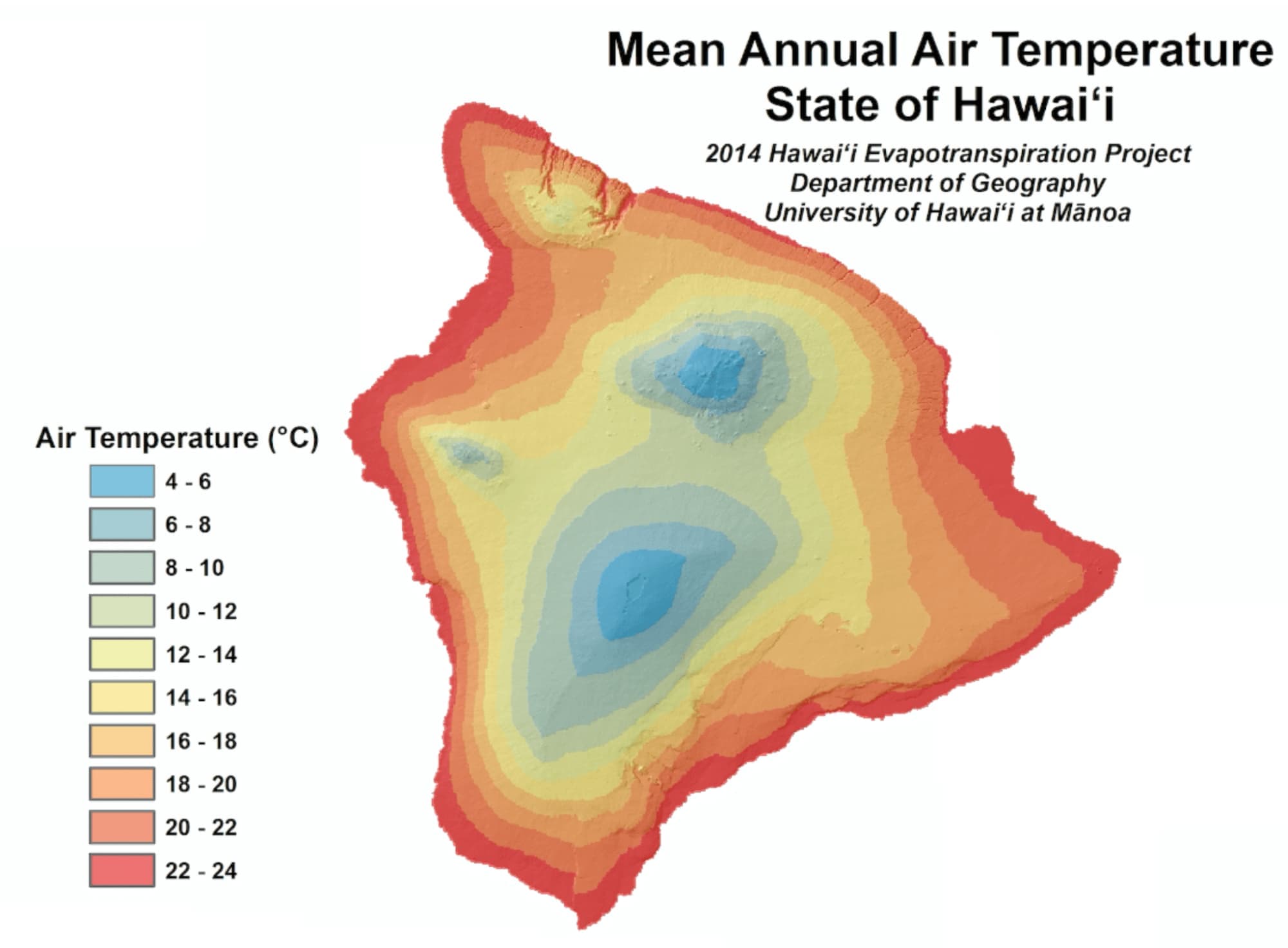
Unlike the distinct four seasons found in much of the world, Hawaii experiences only two primary seasons: “kau” (summer) and “hooilo” (winter). Because of its location in the Tropic of Cancer, the temperatures remain remarkably consistent year-round.
Summer: The Season of Warmth
The summer season, or kau, runs from May through October. During these months, the sun remains high in the sky, and daytime temperatures typically hover between 80°F and 90°F. This is the period when the trade winds—the cooling breezes blowing from the northeast—are at their most reliable. These winds act as nature’s air conditioning, preventing the heat from becoming oppressive. The water temperature is also at its peak, making it the ideal time for snorkeling, swimming, and paddleboarding around Oahu or Maui.
Winter: The Season of Refreshment
The winter season, or hooilo, spans from November through April. Visitors often worry about the term “winter,” but in the islands, this simply means slightly cooler temperatures—usually ranging from the high 60s to the low 80s—and an increase in rainfall. While Honolulu might experience more cloudy days, the rain is rarely continuous. Instead, it often arrives as brief, passing showers that create vibrant rainbows across the valleys. This is also the time when the northern shores of the islands see massive swells, attracting world-class surfers to the Banzai Pipeline.
Microclimates: The Impact of Geography
One of the most fascinating aspects of Hawaii is that you can experience several different climates in a single afternoon. This is due to the rugged topography and the way the mountains interact with moisture-laden trade winds.
The Leeward vs. Windward Phenomenon
When moisture hits the steep mountain ranges, it is forced upward, where it cools and condenses, resulting in frequent rain on the windward (northeastern) sides of the islands. This creates the lush, emerald-green scenery characteristic of places like Hana or the Na Pali Coast. Conversely, the leeward (southwestern) sides sit in the “rain shadow” of these peaks. Consequently, regions like Kona or Waikiki tend to be significantly drier and sunnier, even if it is raining just a few miles away.

Elevation and Dramatic Temperature Drops
The climate changes drastically as you increase your altitude. At sea level, you might be sweating in the sun, but just a couple of hours away at the summit of Mauna Kea or inside the Haleakala National Park, temperatures can plummet to near freezing. Visitors traveling to these high-altitude landmarks must pack layers. Watching the sunrise from the top of a volcano requires heavy jackets, gloves, and sometimes even thermal wear, despite the tropical context of the trip.
Rainfall Patterns and Tropical Showers
Many travelers express concern about visiting during the “wet season.” It is important to distinguish between a tropical downpour and a cold, gray rainy day. Tropical rain in the islands is frequently localized and short-lived. Often, it rains in the early morning or late evening, while the mid-day remains bright and sunny.
Even when it rains, it rarely spoils the day. The intensity of the showers is often what brings the lush life to the Fern Grotto or sustains the coffee plantations on the Big Island. If you find yourself in the middle of a passing shower, wait ten minutes, and the sun will likely break through the clouds. This cycle is exactly why Hawaii is the rainbow capital of the world.
Planning Your Visit Based on Weather
Your ideal travel time depends largely on what you want to achieve during your island excursion.
Seeking Maximum Sun and Beach Time
If your goal is to soak up as much vitamin D as possible, plan your trip for the summer months. Locations on the southern and western shores of each island offer the best protection from rain. Consider staying in Poipu on Kauai or Wailea on Maui. These areas are renowned for their consistent sunshine, making them ideal for long beach days, photography, and exploring coastal trails.
Enjoying the “Off-Season” Benefits
Traveling during the shoulder seasons—late spring (April/May) and fall (September/October)—offers a perfect compromise. You avoid the peak crowds of the winter holiday season and the high humidity of mid-summer. The temperatures remain very comfortable, the water is still warm, and you are far more likely to find better deals on accommodations and excursions.

Adventuring and Nature Exploration
If you are coming to hike through the Waimea Canyon or explore the dense rainforests of the Hamakua Coast, be prepared for the rain regardless of when you visit. The windward sides are always green for a reason—they receive frequent moisture. Pack quick-dry clothing, waterproof footwear, and a lightweight rain jacket. Embrace the elements; there is something mystical about trekking through a misty, rain-drenched jungle that makes the tropical experience complete.
Ultimately, the weather in Hawaii is a gift that sustains the islands’ incredible biodiversity. While it pays to be aware of the differences between the windward and leeward coasts or the changes in elevation, the best approach is to remain flexible. No matter what the weather report says, the spirit of “aloha” ensures that you will find beauty, adventure, and warmth in every corner of the archipelago. Whether you are chasing the surf in North Shore or seeking quiet reflection near a hidden waterfall, understanding the climate is just the first step in unlocking the secrets of this Pacific gem.
LifeOutOfTheBox is a participant in the Amazon Services LLC Associates Program, an affiliate advertising program designed to provide a means for sites to earn advertising fees by advertising and linking to Amazon.com. Amazon, the Amazon logo, AmazonSupply, and the AmazonSupply logo are trademarks of Amazon.com, Inc. or its affiliates. As an Amazon Associate we earn affiliate commissions from qualifying purchases.