
For travelers and outdoor enthusiasts planning a journey to the rugged wilderness of Maine, understanding the local environment is a critical component of trip preparation. While the state is renowned for its breathtaking landscapes, rocky coastlines, and expansive forests, it is also home to a seasonal phenomenon that can significantly impact the visitor experience: black fly season. Knowing exactly when these insects emerge and how to navigate their presence is essential for anyone looking to enjoy the great outdoors in the Pine Tree State.
The Seasonal Timeline of Black Flies
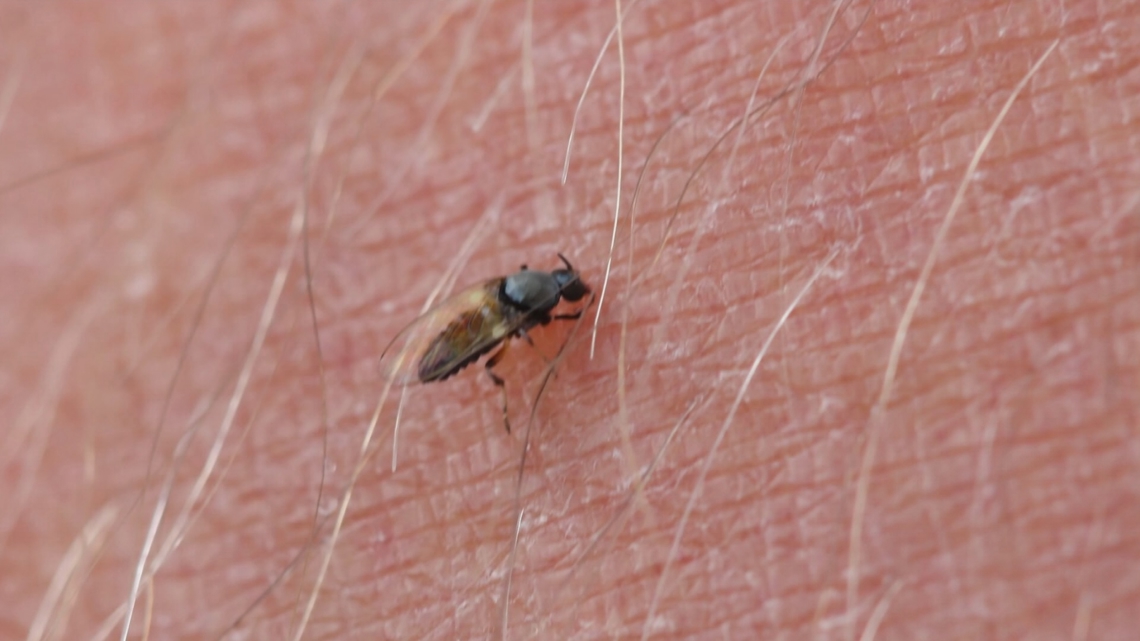
Black flies, known locally as “no-see-ums” or simply pests, are a rite of passage in the New England region. Their emergence is tethered strictly to the arrival of spring and the thawing of the northern wilderness.
The Peak of Activity
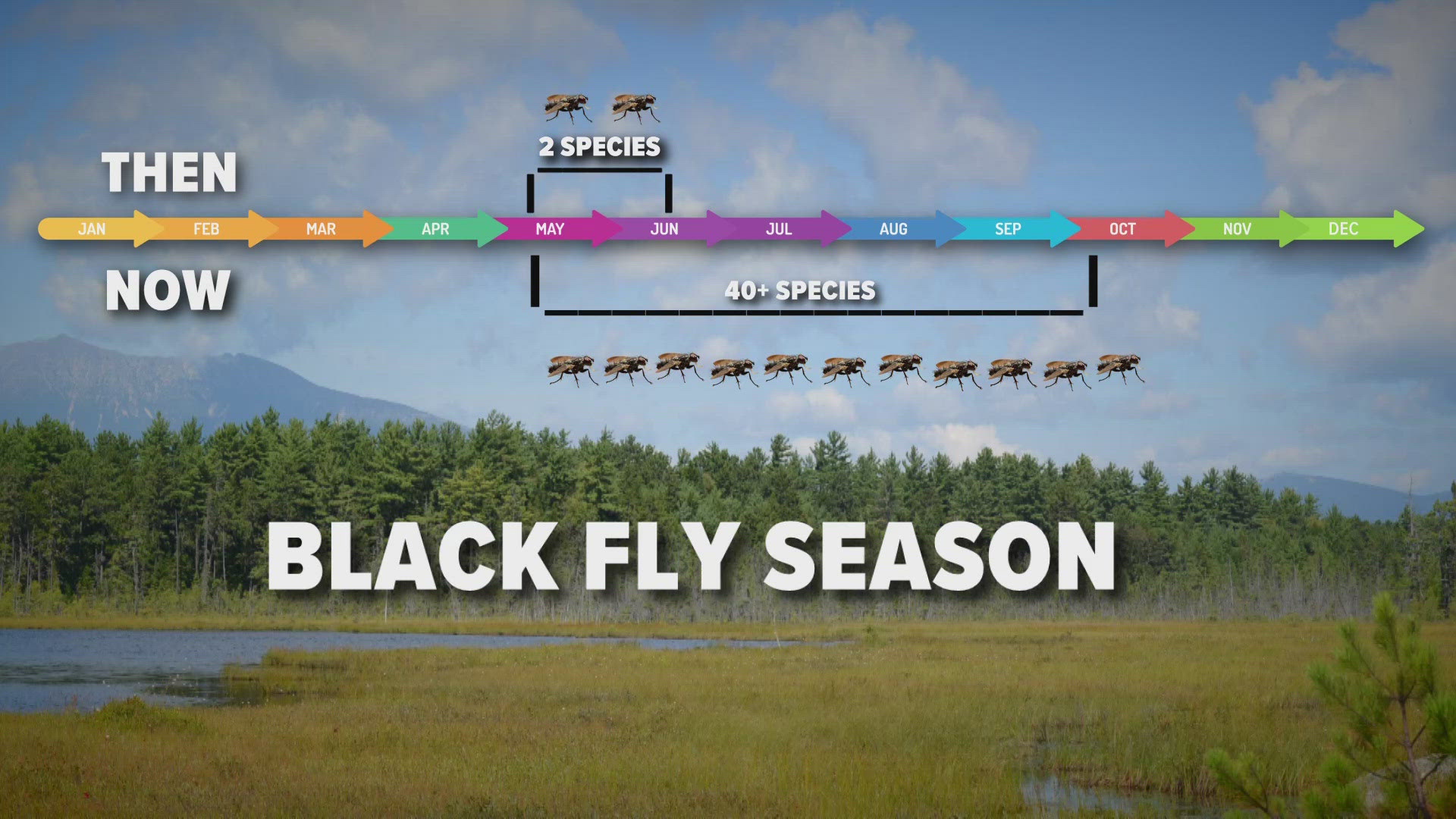
Typically, the black fly season in Maine begins in mid-to-late May and persists through mid-June. The exact timing varies depending on the latitude and the severity of the previous winter. In the southern regions near Portland, the activity may begin slightly earlier, whereas in the mountainous interior regions near Baxter State Park, the insects may remain active well into the summer months if the spring has been particularly wet.
Environmental Drivers
Black flies require running water to breed, which makes the springtime melt-off the primary catalyst for their population explosion. As the snowpack retreats from the Appalachian Mountains and flows into the streams and rivers that crisscross Acadia National Park, the conditions for the black fly larvae become optimal. A dry spring can often result in a shorter, less intense season, while a damp, cool spring can extend their lifespan and density, making it crucial for travelers to monitor local weather reports in the weeks leading up to their departure.
Managing the Experience: Essential Travel Tips
Travelers do not have to cancel their plans if their vacation coincides with the height of black fly season. With the right strategy and equipment, one can still enjoy activities like hiking near Mount Katahdin or kayaking along the Penobscot River.
Protective Clothing and Gear
The most effective defense against black flies is physical barriers. Unlike mosquitoes, which can bite through thin clothing, black flies often swarm and crawl, making tight-woven, long-sleeved shirts and pants indispensable.
- Color Choice: These insects are attracted to dark colors, particularly blue and black. Wearing light-colored, khaki, or white clothing can significantly reduce the number of flies that land on you.
- Head Nets: For those planning strenuous treks through the White Mountains or deep forest trails, a fine-mesh head net is a game-changer. While it may look unconventional, it is the standard accessory for backcountry guides and seasoned hikers.
- Permethrin Treatment: Treating clothing with permethrin prior to departure provides a chemical deterrent that is highly effective against the local insect population.
Choosing the Right Time of Day
Black flies are notoriously sensitive to temperature and wind. They are most active during the calm, humid hours of the morning and the late afternoon. During the heat of the day, when the sun is at its peak and breezes are more likely to pick up across the Gulf of Maine, the flies tend to seek shade and become less aggressive. Plan your outdoor excursions during these mid-day windows to maximize comfort and minimize interactions with pests.
Strategic Destination Planning
If you are particularly sensitive to biting insects, you can tailor your itinerary to minimize exposure by choosing destinations where the environment is less conducive to black fly breeding.
Coastal Versus Inland Expeditions
The coast of Maine often experiences a steady sea breeze that serves as a natural deterrent to black flies. Areas like Bar Harbor or the scenic shores of Kennebunkport are generally more comfortable during the late spring than the dense, wooded interior. The salt air and consistent ocean winds create an environment where these insects find it difficult to swarm.
High-Elevation Considerations
While black flies are found throughout the state, they are most concentrated near low-lying, moving water. As one ascends into the higher elevations of the Longfellow Mountains, the air temperature drops, and the landscape changes to alpine tundra, which is often less hospitable to the breeding cycle of the black fly. If you are an avid hiker, aiming for higher altitudes can be an effective way to escape the lower-elevation swarms.
Beyond the Season: When to Visit
For those who have flexibility in their travel calendar, avoiding the “black fly window” is the most straightforward way to ensure an uninterrupted experience.
July and August: The Prime Season
By the time July rolls around, the vast majority of the black fly population has completed its life cycle. Maine in mid-summer is idyllic, offering warm days and cool evenings that are perfect for camping at Moosehead Lake or exploring the historic lighthouses found in Portland Head Light. July, August, and early September represent the peak tourism months for a reason—the weather is reliably pleasant, the foliage is lush, and the biting insects are significantly reduced.
The Autumn Alternative
If you prefer to avoid the summer crowds, the months of September and October are perhaps the most beautiful time to visit. As the temperatures drop, the state transforms into a canopy of vibrant reds, oranges, and golds. The insect population is non-existent during this time, and the cool, crisp air is perfect for those who want to hike, photograph the fall colors, or enjoy the seasonal harvest festivals in towns like Camden.
Understanding Local Ecology
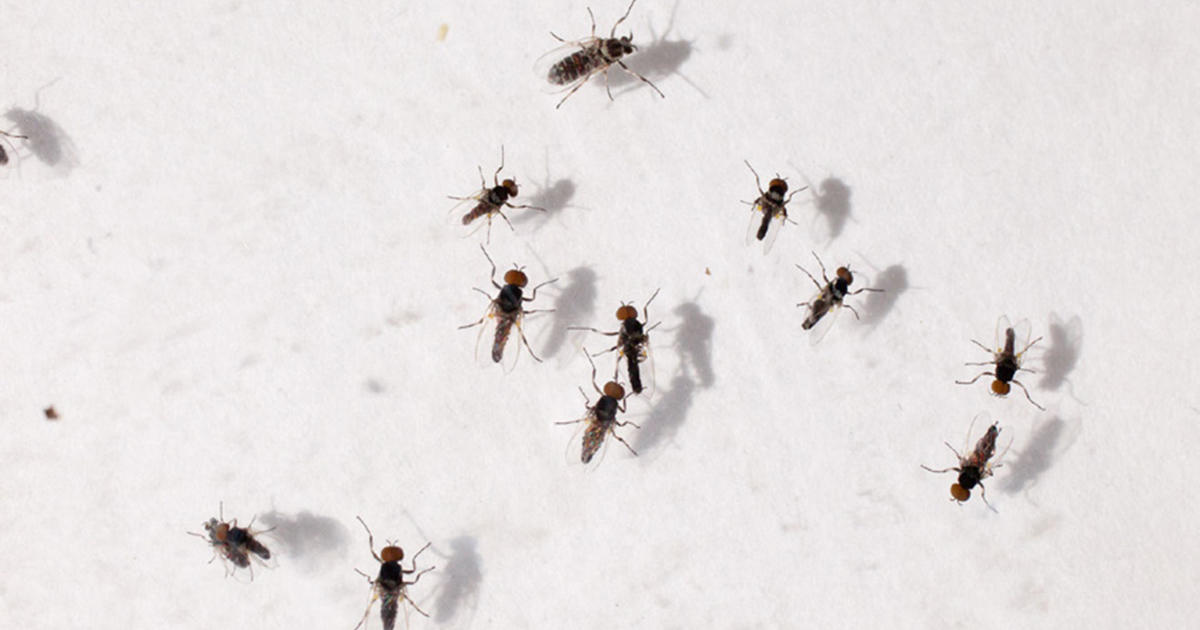
The presence of black flies is actually an indicator of a healthy, clean ecosystem. They are a vital part of the food chain, serving as a primary food source for many species of fish, birds, and dragonflies. When you visit Maine, you are entering a vast, wild, and largely untamed habitat. Embracing the seasonality of the environment—including its pests—is part of the authentic experience of visiting the deep North. Whether you choose to visit during the height of the summer to enjoy the water or opt for the quiet beauty of the autumn, being prepared ensures that your time in the wilderness remains a memorable and rewarding adventure.
By balancing your expectations with professional preparation and strategic destination selection, you can safely and effectively navigate the complexities of Maine’s seasonal cycles. The wilderness here is generous to those who respect its rhythms, providing memories that last far longer than the temporary annoyance of a brief spring pest season.
LifeOutOfTheBox is a participant in the Amazon Services LLC Associates Program, an affiliate advertising program designed to provide a means for sites to earn advertising fees by advertising and linking to Amazon.com. Amazon, the Amazon logo, AmazonSupply, and the AmazonSupply logo are trademarks of Amazon.com, Inc. or its affiliates. As an Amazon Associate we earn affiliate commissions from qualifying purchases.