
The culinary landscape of Hawaii is a vibrant tapestry woven from indigenous traditions, waves of immigrant influence, and a deep, ancestral respect for the land and sea. To understand the islands is to taste them; every dish tells a story of the plantation era, the Pacific Rim connection, and the modern farm-to-table movement that defines contemporary Hawaiian dining. Whether you are grabbing a quick bite from a roadside stand on the North Shore of Oahu or sitting down for a refined multi-course meal in Maui, the flavors here are distinct, bold, and entirely unforgettable.

The Foundation of Local Cuisine: Traditional Staples
Traditional Hawaiian food, or kaukau, is centered on the concept of aina—the land that feeds. Long before the influence of global cuisines, the native people of these islands cultivated specific crops that remain the bedrock of the local diet.
Poi and Kalua Pig
The heart of any traditional luau is centered around poi, a starchy paste made from the pounded corm of the taro plant. While its mild, fermented flavor can be an acquired taste for visitors, it is an essential cultural component that serves as a probiotic staple. It is almost always paired with kalua pig, a succulent, smoky pork slow-cooked in an imu—a traditional underground oven. The process yields meat so tender that it falls apart at the slightest touch, embodying the spirit of communal feasts.
Laulau and Fresh Seafood
Laulau—pork, fish, or chicken wrapped in vibrant green taro leaves and steamed until tender—offers a savory contrast to the earthiness of taro. Because Hawaii is an archipelago, the importance of the ocean cannot be overstated. From poke (cubed, marinated raw fish) to grilled mahimahi, the seafood found here is often caught within hours of hitting the plate. When visiting the Big Island, seek out local markets where the catch of the day dictates the specials.
The Plantation Legacy: A Melting Pot of Flavors
During the 19th and early 20th centuries, Hawaii’s sugar and pineapple plantations drew laborers from around the world. These workers brought their own culinary traditions, which eventually collided and coalesced into what is now known as “Local Food.”
The Plate Lunch
If there is one quintessential experience for a traveler in Honolulu, it is the “Plate Lunch.” This humble, hearty meal typically features two scoops of white rice, a scoop of macaroni salad, and a main protein—usually chicken katsu, hamburger steak, or chili. It is a reflection of the working-class roots of the islands, designed to provide sustenance for long days of labor. It is unpretentious, filling, and deeply ingrained in the local lifestyle.

Spam Musubi
Perhaps no dish is more synonymous with modern Hawaiian snack culture than Spam Musubi. Born out of necessity and the influence of American presence during World War II, this treat consists of a slice of grilled Spam atop a block of sushi rice, wrapped in a strip of nori. You will find these at nearly every convenience store, including the ubiquitous 7-Eleven locations across the islands. It is the ultimate traveler’s fuel—portable, salty, and satisfying.
Modern Gastronomy and Fresh Produce
In the last few decades, a new generation of chefs has elevated Hawaiian cuisine by focusing on the exceptional quality of local ingredients. This “Hawaii Regional Cuisine” movement highlights the fertile volcanic soil and the year-round growing season that allows for unparalleled fruit and vegetable harvests.
Tropical Fruits and Sweet Treats
Beyond savory dishes, Hawaii offers an abundance of tropical fruits that taste vastly different when ripened under the Pacific sun. Look for fresh lilikoi (passion fruit) drizzled over yogurt, or locally grown papaya served with a squeeze of lime. For those with a sweet tooth, the Shave Ice experience is non-negotiable. Unlike a standard snow cone, authentic shave ice is incredibly fine, almost like powdered snow, and is often topped with sweetened condensed milk or a scoop of macadamia nut ice cream. Iconic spots like those found on the coast of Kauai have perfected this craft, making it a refreshing must-try after a long day at the beach.
The Rise of Coffee Culture
The volcanic slopes of Kona provide the perfect elevation and climate for growing some of the world’s finest coffee. A visit to a working coffee farm is an essential experience for any gourmand. Drinking a fresh cup of Kona coffee while overlooking the coastline provides a sensory connection to the island that you simply cannot get from a generic coffee shop. The flavor profile is typically smooth, rich, and nutty, often lacking the bitterness found in mass-produced beans.
Where to Explore the Best Flavors
While the high-end resorts in Waikiki offer sophisticated dining with stunning ocean views, the true soul of Hawaii’s food scene is often found in more modest settings.
Farmers Markets and Food Trucks
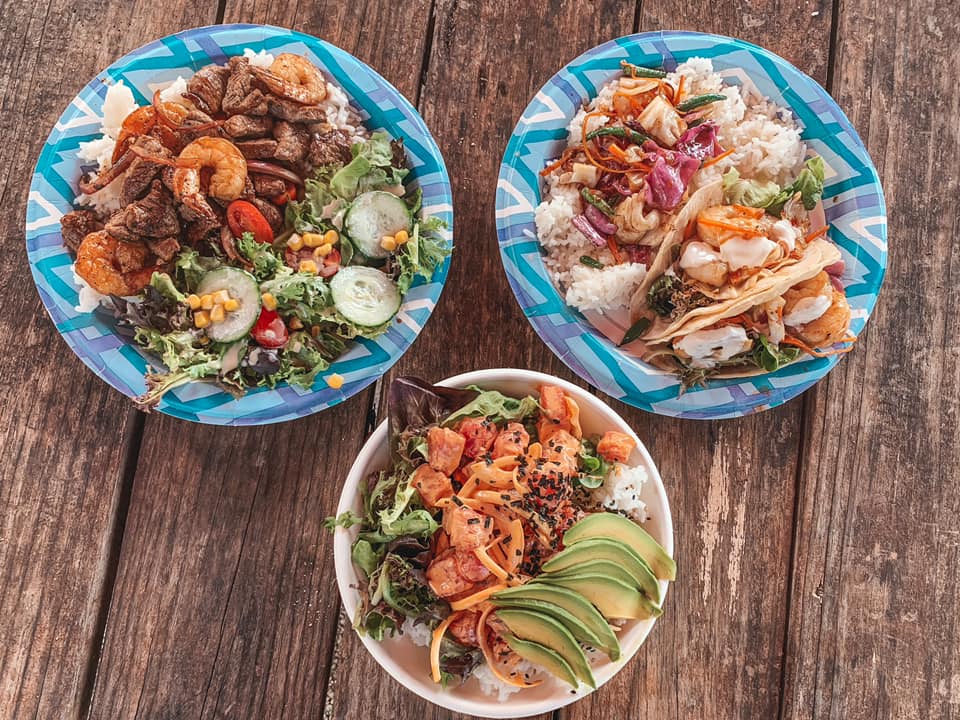
To truly eat like a local, you must visit the weekly farmers markets. This is where you will find the freshest exotic fruits like dragon fruit, rambutan, and apple bananas. Additionally, the food truck culture in places like Haleiwa is world-class. Often parked in simple lots, these trucks serve some of the best garlic shrimp and grilled tacos you will ever encounter. They represent the relaxed, outdoor-centric nature of Hawaiian life.
Fine Dining with an Island Twist
For travelers looking to celebrate a special occasion, the upscale restaurants in Kapalua or Wailea redefine Pacific fusion. Here, chefs utilize hyper-local seafood like opakapaka (pink snapper) or ono (wahoo) and pair them with locally sourced herbs and microgreens. By bridging the gap between ancestral foodways and international culinary techniques, these establishments offer a dining experience that feels both luxurious and authentic to the Hawaiian archipelago.
Ultimately, eating in Hawaii is about curiosity. It is about stepping away from the familiar hotel buffet and venturing into the local diners, the roadside fruit stands, and the bustling kitchens where tradition is preserved one plate at a time. Whether it is the simplicity of a perfectly seasoned poke bowl or the complexity of a slow-roasted luau feast, Hawaii invites you to pull up a chair, slow down, and savor the unique abundance of the Pacific.
LifeOutOfTheBox is a participant in the Amazon Services LLC Associates Program, an affiliate advertising program designed to provide a means for sites to earn advertising fees by advertising and linking to Amazon.com. Amazon, the Amazon logo, AmazonSupply, and the AmazonSupply logo are trademarks of Amazon.com, Inc. or its affiliates. As an Amazon Associate we earn affiliate commissions from qualifying purchases.