
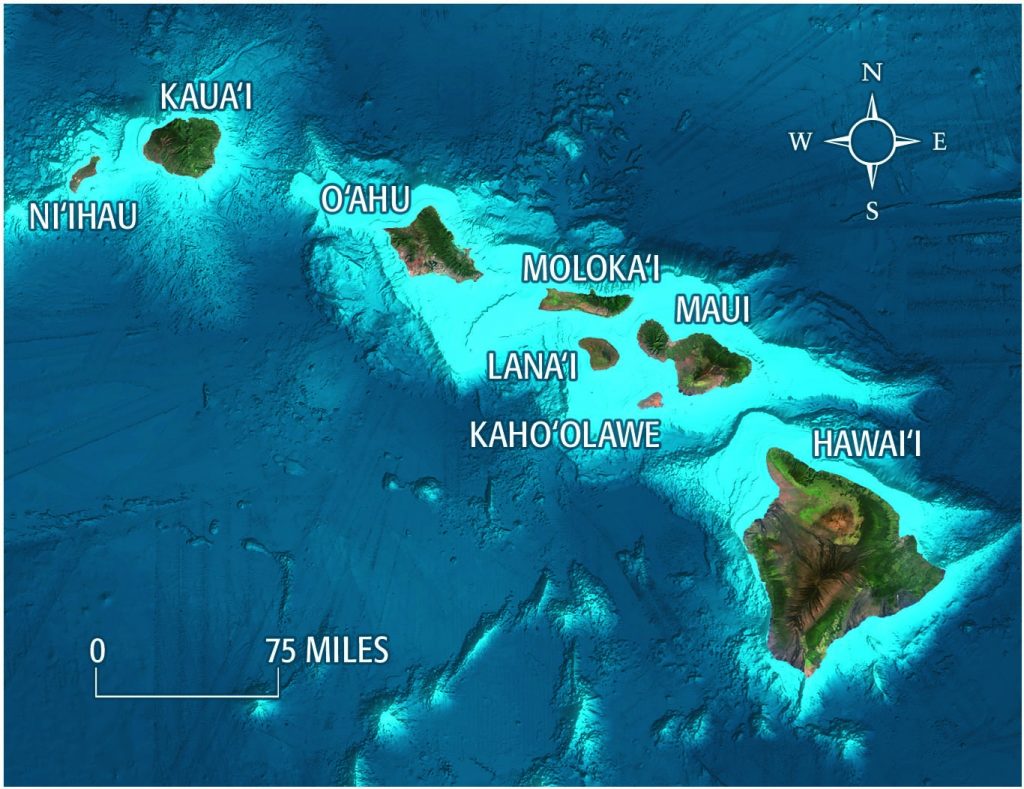
When travelers first begin planning a tropical getaway, the geography of the Pacific often sparks confusion. The short answer to the question is that Hawaii is not a single island, but rather an expansive archipelago consisting of eight main islands and over a hundred smaller islets, atolls, and shoals. This misunderstood geography is central to the allure of the state, as each landmass offers a distinct personality, climate, and set of experiences for the curious traveler.
Understanding the Hawaiian Archipelago
The state of Hawaii is the only U.S. state located outside of North America and the only one composed entirely of islands. It is situated in the central Pacific Ocean, thousands of miles away from any major continental landmass. These islands were formed by a “hotspot” in the Earth’s mantle, a volcanic chimney that has remained stationary while the tectonic plate above it moved slowly northwest. This geological process created a chain of islands that grow progressively older as you move from the southeast to the northwest.
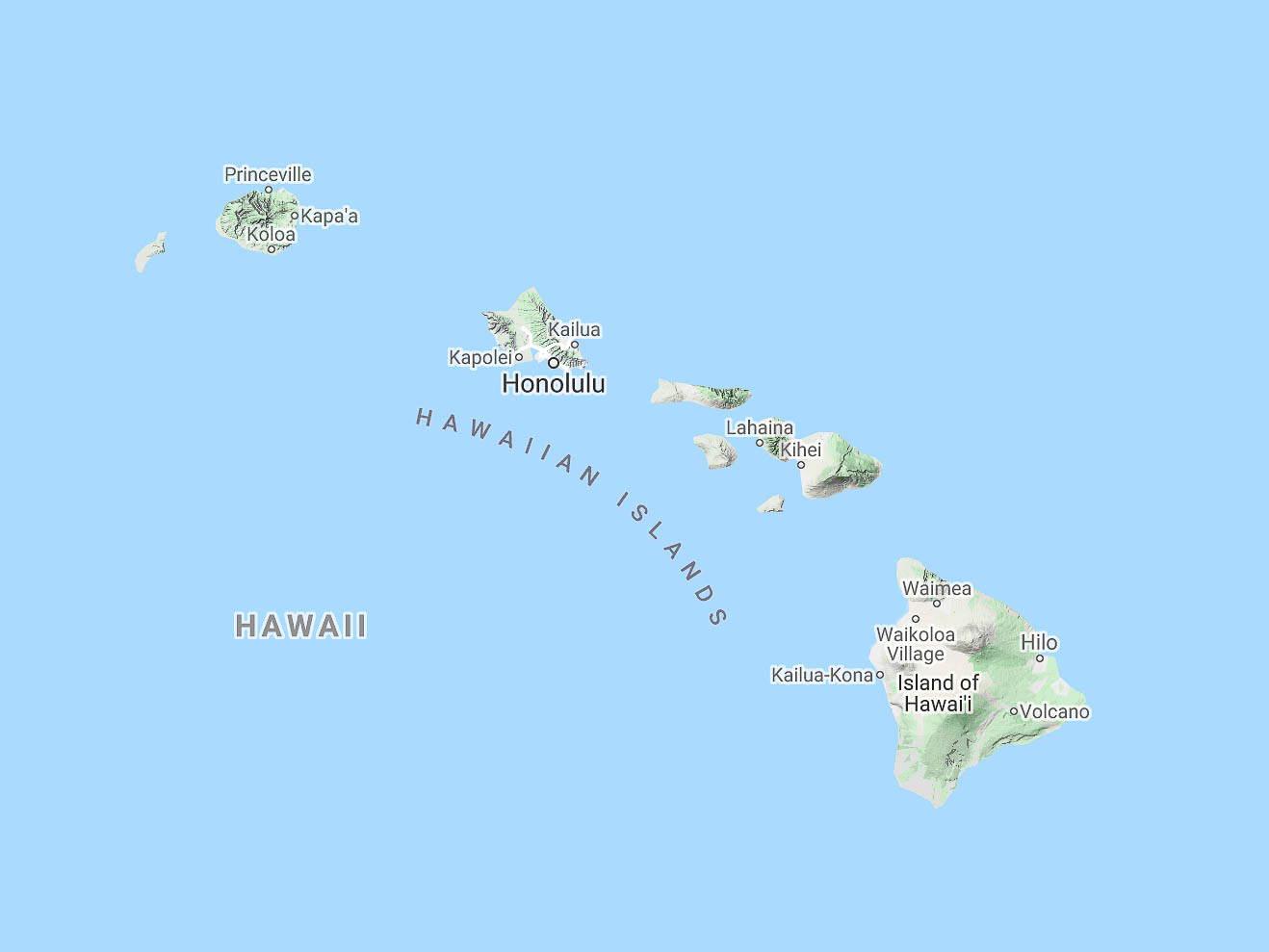
The Major Islands
Travelers typically focus their itineraries on the four primary islands that accommodate the vast majority of tourism:
- Oahu: Known as “The Gathering Place,” this island is home to the state capital, Honolulu, and the famous Waikiki Beach. It serves as the primary gateway for international arrivals.
- Maui: Often called “The Valley Isle,” it is cherished for its breathtaking Haleakala National Park and the scenic drive known as the Road to Hana.
- Hawaii Island, or “The Big Island”: As the name implies, it is the largest landmass in the chain. It features the incredibly active Hawaii Volcanoes National Park and the massive Mauna Kea volcano.
- Kauai: Known as “The Garden Isle,” it is home to the dramatic Na Pali Coast and the lush, expansive Waimea Canyon.
Beyond these four giants, there are other significant islands including Molokai and Lanai, which offer a more rugged, intimate, and secluded experience for those looking to escape the conventional tourist path.
Navigating Between the Islands
Because Hawaii is a collection of islands rather than a contiguous landmass, travel between them requires careful planning. You cannot drive from one island to another; instead, you must rely on inter-island air travel or, in limited cases, private charters.
Air Travel Logistics
The primary mode of transportation is the short-haul flight. Major hubs like Daniel K. Inouye International Airport in Honolulu connect to smaller regional airports across the chain. Flights are typically very short, often lasting between 30 to 50 minutes. Airlines such as Hawaiian Airlines provide the backbone of this regional network, ensuring that visitors can island-hop with ease.

Why Geography Matters for Your Trip
Understanding that Hawaii is an archipelago is crucial for managing expectations. Many first-time visitors mistakenly believe they can see everything in a single week. However, the travel time involved in moving between islands means that visitors often have more fulfilling experiences by dedicating their time to one or two islands rather than trying to cram all eight into one vacation.
Distinct Environments and Microclimates
The diversity within the Hawaiian chain is one of the world’s most fascinating natural phenomena. Because of the varying elevations and the way these islands interact with the prevailing trade winds, you can experience vastly different climates within a single island or across the chain.
Ecological Diversity
On Hawaii Island, you can stand on a beach in the morning and be in a climate akin to the tundra on the summit of Mauna Kea by the afternoon. The windward sides of the islands—those facing the incoming trade winds—are typically lush, tropical rainforests, while the leeward sides are significantly drier and often host the most popular resort areas, such as the Kohala Coast.
Planning by Island Personality
Choosing the right island depends on what kind of traveler you are:
- For History and Culture: Oahu offers an unparalleled blend of modern city life and historical sites, such as the Pearl Harbor National Memorial.
- For Adventure: Kauai is unmatched for hikers and nature photographers, offering terrain that feels like a prehistoric lost world.
- For Luxury and Romance: Maui and Lanai are renowned for their high-end resorts, world-class golf courses, and serene, pristine beaches.
- For Natural Wonders: Hawaii Island is the definitive choice for those who want to witness the raw, creative power of volcanic activity and see diverse landscapes ranging from black sand beaches to dense jungles.
Cultural Unity Amidst Geographic Separation
While each island has its own unique terrain and identity, they are unified by a rich, shared culture. The spirit of Aloha transcends the water gaps that separate the landmasses. Indigenous Hawaiian culture, with its deep roots in the Pacific, binds the archipelago together.
Preservation and Respect
Traveling between the islands, one begins to appreciate the fragility of this island chain. The ecosystems are isolated and vulnerable, and there is a massive collective effort to protect the native flora and fauna. Visitors are encouraged to respect local customs and participate in the ongoing efforts to keep the environment pristine. Whether you are walking the streets of Honolulu or exploring a remote beach on Molokai, the respect for the land—known as aina—is a central pillar of the Hawaiian experience.
Final Thoughts on Your Journey
So, is Hawaii an island? It is a complex, beautiful, and vast chain of islands, each holding its own secrets. By viewing the state as an archipelago rather than a singular destination, you unlock the ability to plan a trip that is not just a vacation, but an exploration of one of the most unique geological and cultural regions on the planet. From the peaks of Haleakala to the surf of the North Shore, the islands invite you to discover the specific magic that each has to offer. Whether you choose to linger on the beaches of Maui or traverse the lava fields of Hawaii Island, the experience of island-hopping through this Pacific paradise is one of the most rewarding adventures in the world of travel.
LifeOutOfTheBox is a participant in the Amazon Services LLC Associates Program, an affiliate advertising program designed to provide a means for sites to earn advertising fees by advertising and linking to Amazon.com. Amazon, the Amazon logo, AmazonSupply, and the AmazonSupply logo are trademarks of Amazon.com, Inc. or its affiliates. As an Amazon Associate we earn affiliate commissions from qualifying purchases.