
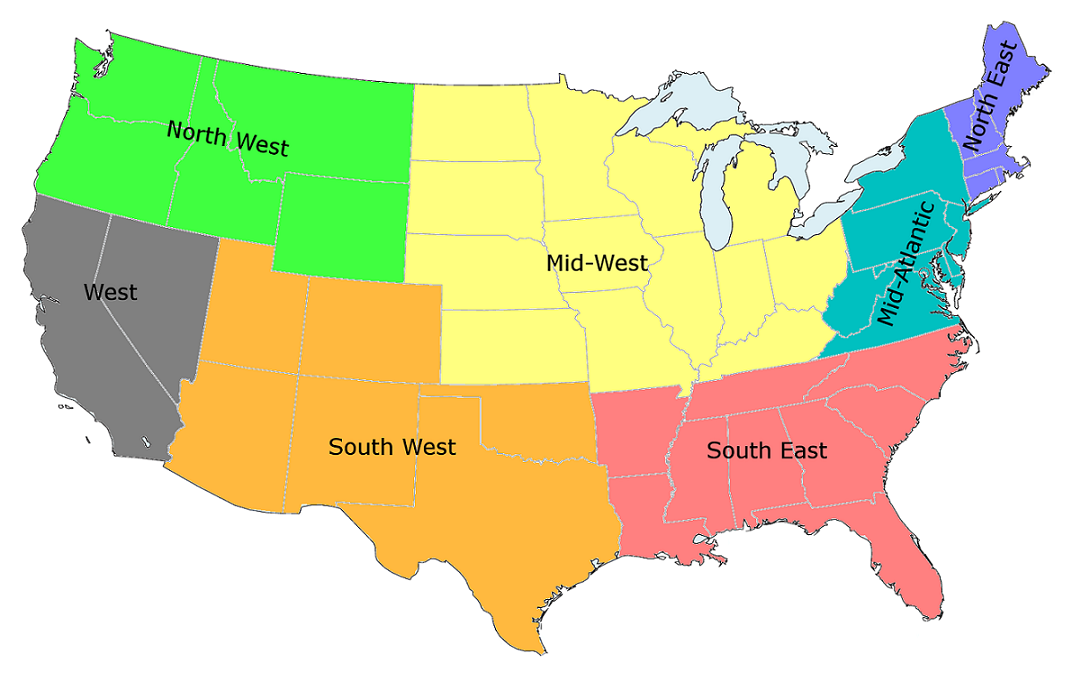
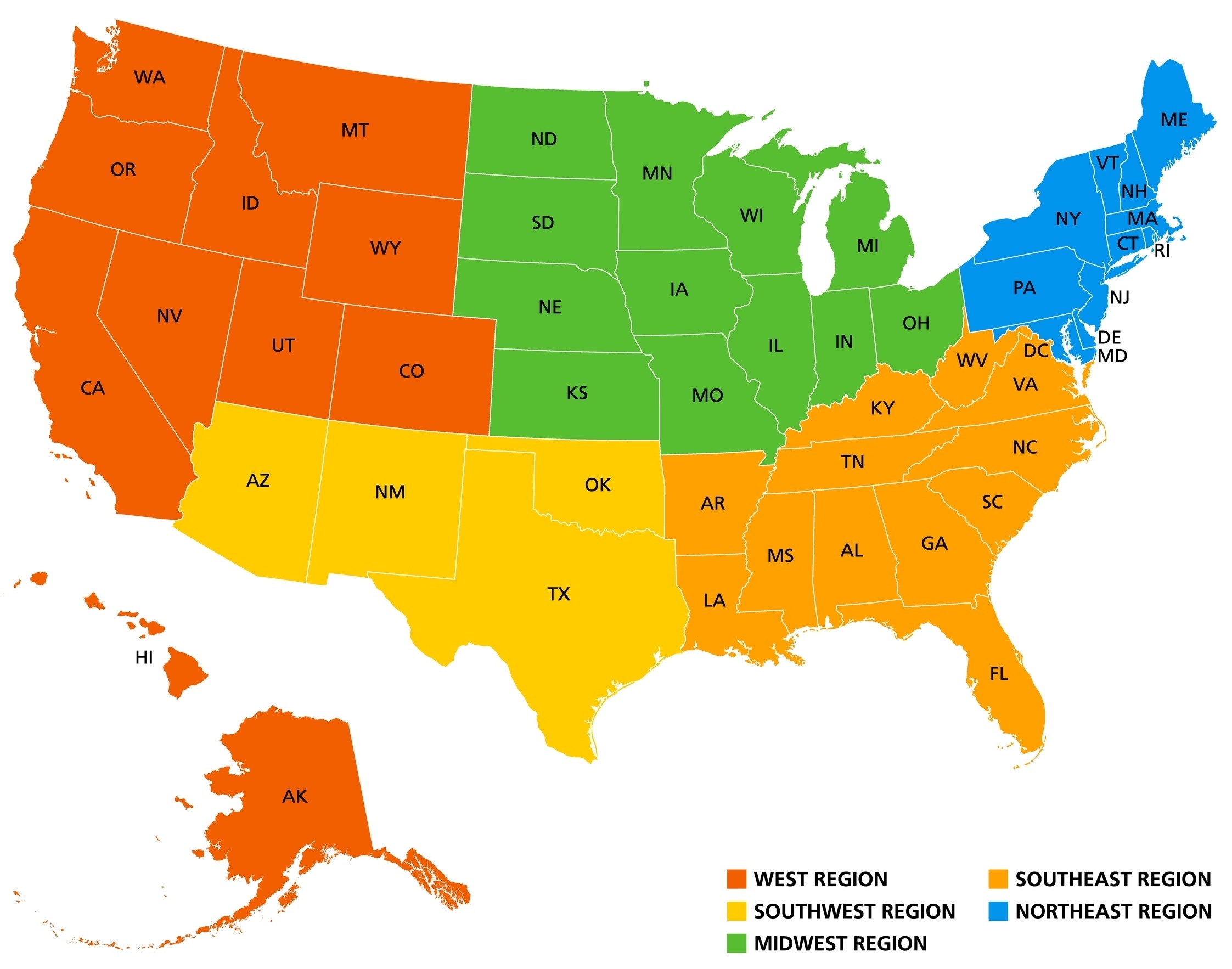
When travelers begin planning their journey to the Pacific, they often find themselves parsing through the administrative and geographic structures of the United States. A common point of confusion for those organizing their itineraries is identifying exactly where the archipelago of Hawaii fits into the conventional regional breakdown of the country. Unlike the contiguous states, which are easily mapped into tidy clusters like the “Midwest” or the “South,” Hawaii exists in a unique position that challenges standard mainland perspectives.
The Geographic and Bureaucratic Classification
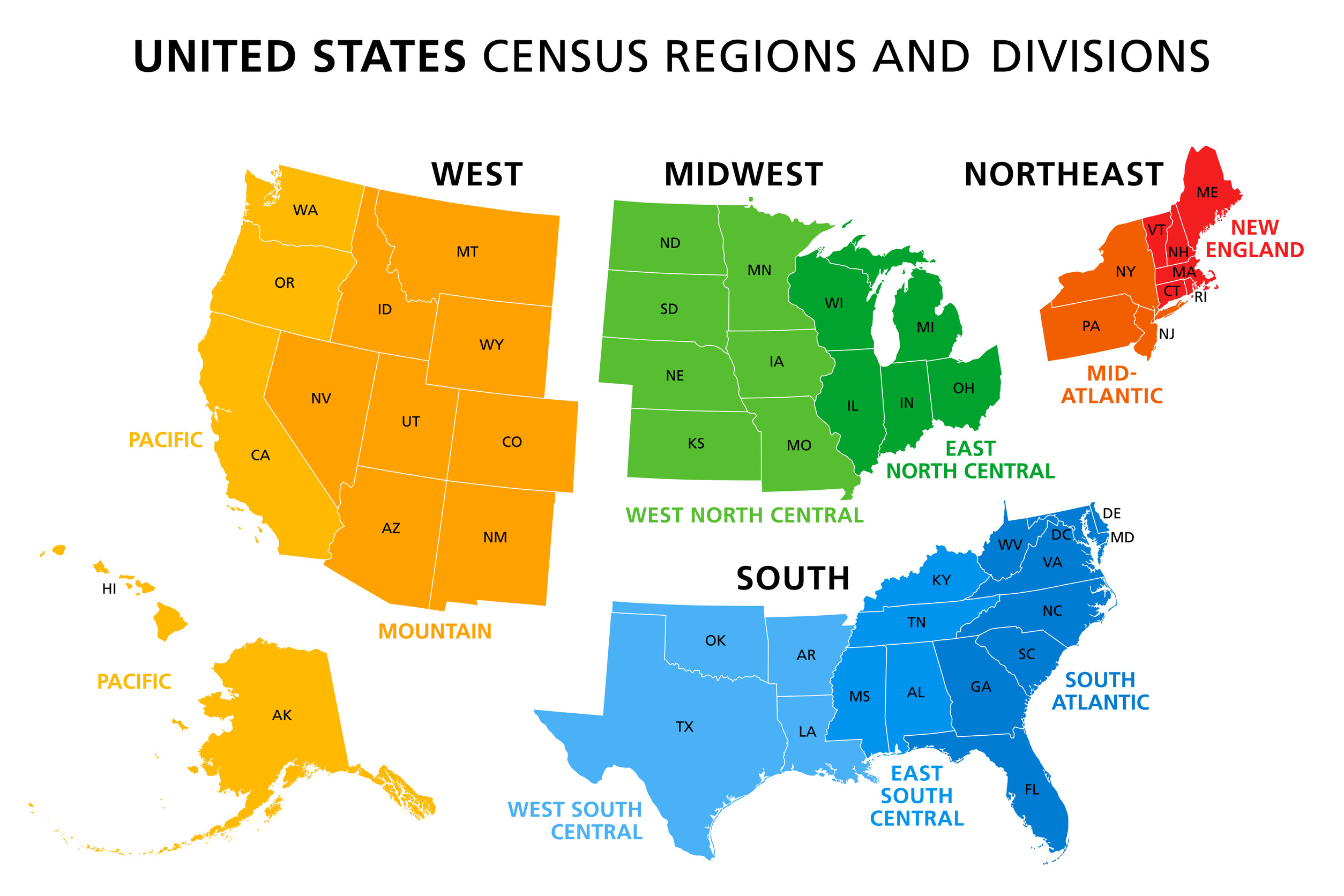
From a formal standpoint, the United States Census Bureau classifies Hawaii within the West region of the country. Within this broad designation, it is further categorized as part of the Pacific division. This division includes the states along the western coast of North America, such as California, Oregon, and Washington, as well as Alaska.
Why the Pacific Division Matters
For the purpose of demographic studies, economic analysis, and federal administrative reporting, being grouped with the Pacific states provides a framework for understanding Hawaii’s connectivity to the mainland. While it sits thousands of miles away in the middle of the Pacific Ocean, its economic ties, trade dependencies, and logistical pipelines are inextricably linked to the ports and hubs of the West Coast.
A Distinct Separation
Despite this administrative grouping, any traveler visiting Honolulu or the lush landscapes of Kauai will immediately perceive that the “Pacific Region” label is largely a political convenience rather than a reflection of local lived experience. The culture, climate, and geography of these islands are fundamentally distinct from the coastal regions of the continental North America.
The Cultural Identity of the Archipelago
To understand Hawaii solely as a Western U.S. state is to miss the essence of what makes this destination unique. The islands occupy a space that is better described through the lens of Oceania and Polynesia. The cultural heritage of the native Hawaiian people connects them more deeply to their neighbors in Samoa, Tahiti, and Tonga than to the states of Nevada or Arizona.
The Polynesian Triangle
Hawaii serves as the northern point of the Polynesian Triangle, a massive geographic region in the Pacific defined by the shared linguistic and cultural heritage of its indigenous populations. When you explore the historical sites at Puuhonua o Honaunau National Historical Park on the Big Island, you are stepping into a historical continuum that predates the annexation of the islands by the United States by many centuries.
A Melting Pot of Pacific Influences
The contemporary identity of Hawaii is defined by a blend of indigenous customs and the waves of immigration that arrived during the plantation era. This infusion of Japanese, Filipino, Chinese, and Portuguese traditions has created a “Pacific” culture that is distinctly insular yet globally outward-looking. This identity is best experienced through the local culinary scene, which prioritizes ingredients like taro, fresh Pacific fish, and tropical fruits in ways that feel entirely separate from the mainland’s “Western” regional identity.
Logistics and Travel Realities
For the modern tourist, the debate over which “region” Hawaii belongs to is often overshadowed by the practicalities of travel. Because Hawaii is geographically isolated, reaching the islands requires a commitment that transcends the simple interstate travel one might expect when moving between Colorado and Utah.
Connectivity to the Mainland
Most visitors arrive via long-haul flights from major aviation hubs like Los Angeles International Airport or San Francisco International Airport. Because of this reliance on trans-oceanic flight paths, the travel industry often markets the islands as a gateway to the Pacific Rim rather than just a regional extension of the American West.
Island Hopping Experiences
Once you arrive, the regional focus shifts from the macro to the micro. Traveling between the islands—such as taking a short flight from Oahu to Maui—is a regional travel experience in itself. Each island has a distinct micro-climate and topography. The arid, volcanic landscapes near Hawaii Volcanoes National Park provide a stark contrast to the emerald, rain-drenched cliffs of the Na Pali Coast. This diversity is precisely why travelers are often discouraged from attempting to “see” Hawaii in a single week; the region is simply too multifaceted to be reduced to a single geographic categorization.
Why “Region” Is a Fluid Concept
When people ask, “What US region is Hawaii in?”, they are often seeking an answer that helps them organize their understanding of the country’s scale. However, the most insightful answer is that Hawaii is a unique biome that defies regional pigeonholing.
Bridging East and West
Hawaii functions as a bridge. It is a political member of the American Pacific states, a cultural anchor for Polynesia, and a strategic location in the Indo-Pacific. Travelers who visit Waikiki Beach or the serene North Shore find that the “region” is less about lines on a map and more about a state of mind.
Defining Your Own Experience
Ultimately, whether you categorize Hawaii by its census data or its ancient cultural borders, the experience remains unparalleled. If you are a visitor coming from the East Coast, the islands feel like a tropical escape from the continental norm. If you are arriving from Asia, Hawaii feels like a point of convergence between the modern United States and the traditions of the Pacific.
The regional “where” is less important than the “what.” By focusing on the unique biodiversity of the islands, the preservation of Hawaiian language and arts, and the geological marvels that created the Hawaiian Islands, you move beyond the academic debate of federal regions. You move into the true heart of one of the most remote and captivating destinations on the planet. Whether you consider it the end of the West or the beginning of the Pacific, your journey will undoubtedly be defined by the spirit of Aloha, which transcends any regional border or administrative category defined on a map.
LifeOutOfTheBox is a participant in the Amazon Services LLC Associates Program, an affiliate advertising program designed to provide a means for sites to earn advertising fees by advertising and linking to Amazon.com. Amazon, the Amazon logo, AmazonSupply, and the AmazonSupply logo are trademarks of Amazon.com, Inc. or its affiliates. As an Amazon Associate we earn affiliate commissions from qualifying purchases.