
The journey between the neon-lit spectacle of Las Vegas and the serene, red-rock majesty of Sedona is one of the most iconic road trips in the American Southwest. Stretching across the vast, arid beauty of Nevada and Arizona, this route offers a stark contrast between urban excess and geological wonder. Understanding the logistics of this trip—distance, driving time, and the breathtaking sights along the way—is the first step toward planning an unforgettable excursion.
Distance and Driving Time Estimates
When traveling from the entertainment capital of the world to the spiritual heart of the Coconino National Forest, travelers have several variables to consider. On average, the drive covers approximately 280 to 300 miles, depending on your specific point of departure in Las Vegas and your destination in Sedona.

The Standard Route
The most common path takes drivers southeast via U.S. Route 93 and Interstate 40. Under normal traffic conditions, this journey typically requires between 4.5 and 5.5 hours of pure driving time. However, this figure is a baseline that rarely accounts for the inevitable stops prompted by the stunning scenery.
Variables Impacting Your Travel Time
Several factors can influence how long you spend on the road:
- Traffic Conditions: Leaving Las Vegas during peak weekend hours or holiday rushes can add significant time to your journey, particularly as you navigate out of the metropolitan area.
- Road Construction: Parts of the Arizona highway system undergo periodic maintenance, which can result in lane closures and reduced speed limits.
- Weather Patterns: During summer months, extreme desert heat is a factor for vehicles, while winter may bring surprising snowfall in the higher elevations near Flagstaff, which can significantly slow travel.
Must-See Stops Along the Way
Treating this drive as a mere transit point is a missed opportunity. The route connects some of the most significant landmarks in the United States. By carving out an entire day for the transit, you can experience a cross-section of American desert culture.
Crossing the Hoover Dam
Soon after departing Las Vegas, you will encounter the Hoover Dam. Straddling the border between Nevada and Arizona, this architectural marvel on the Colorado River is a testament to Great Depression-era engineering. Taking the time to park and walk across the Mike O’Callaghan-Pat Tillman Memorial Bridge offers a panoramic perspective of the dam that is difficult to beat.
The Historic Charm of Kingman and Seligman
As you move further into Arizona, the landscape shifts from desert basin to high-desert plateaus. Kingman serves as a great midpoint stop for fuel and lunch. For those interested in Americana, the town of Seligman is an absolute must-visit. As the birthplace of the preservation of Route 66, it maintains a vibrant, kitschy aesthetic that captures the spirit of mid-century American road travel.
Exploring Flagstaff
Before the final descent into the Verde Valley, you will pass through Flagstaff. Situated at the base of the San Francisco Peaks, this mountain town offers a cool, forested escape from the desert heat. It is an ideal spot to stretch your legs, visit the historic downtown district, or grab a coffee before the final 30-mile stretch toward the towering red spires of Sedona.
Navigating the Final Descent: Highway 89A
The most dramatic segment of the journey is undoubtedly the transition from the high plateau of Flagstaff into the basin of Sedona via Oak Creek Canyon.
The Beauty of Oak Creek Canyon
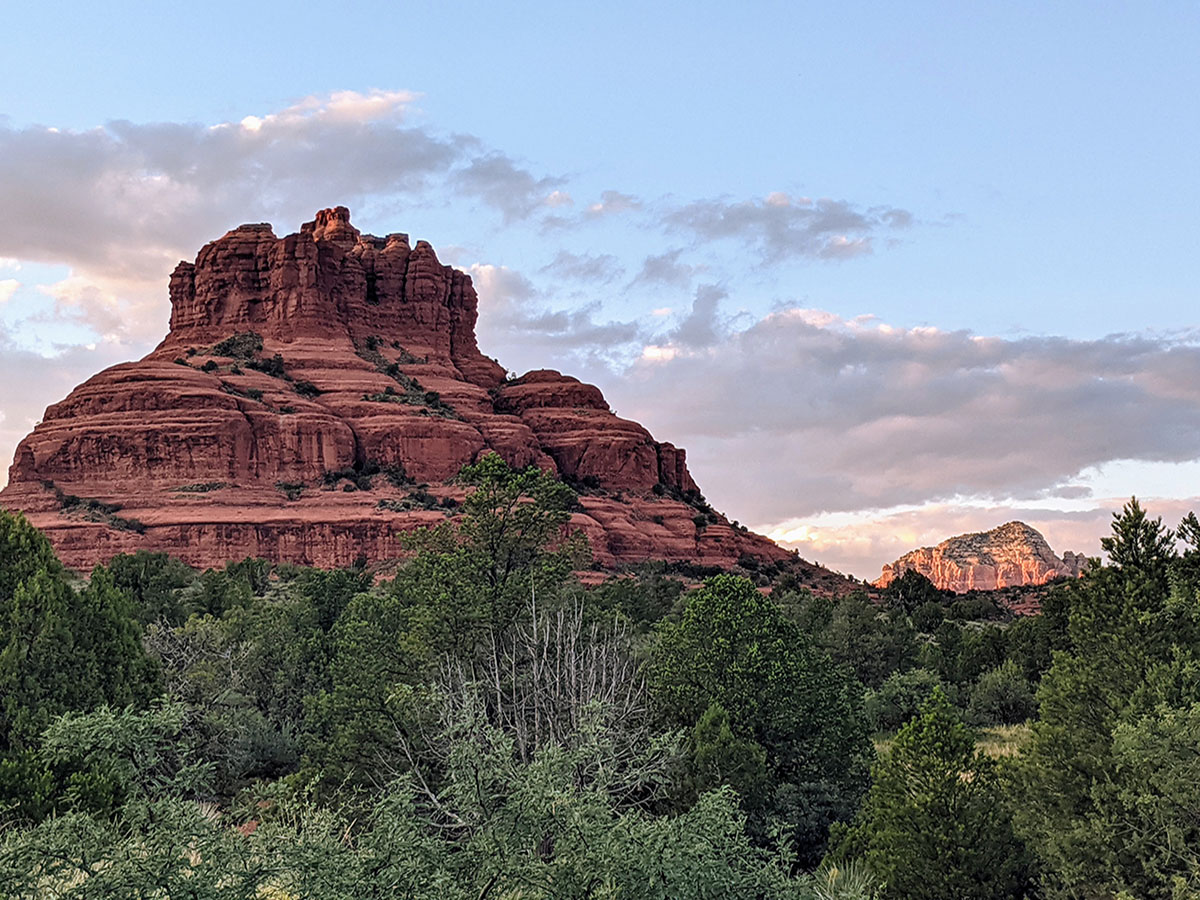
Often compared to the Grand Canyon for its sheer geological variety, this winding canyon road features tight switchbacks and breathtaking vistas. Travelers should be prepared for lower speeds and heavy traffic during peak tourist seasons. The drive down provides a gradual reveal of the iconic sandstone formations that define Sedona, such as Bell Rock and Cathedral Rock.
Safety and Preparedness
Because this route involves significant changes in elevation and temperature, vehicle preparedness is essential. Ensure your cooling system is in optimal condition before leaving Las Vegas. Additionally, always carry extra water and ensure your mobile device is charged, as cellular service can be intermittent in the more remote sections of the high desert.
Optimizing Your Itinerary
Whether you are looking for a quick transit or an immersive road trip, the journey between these two iconic destinations offers immense value.
Morning vs. Afternoon Departures
Leaving Las Vegas in the early morning is highly recommended. It allows you to beat the harshest afternoon sun and gives you ample daylight to navigate the winding roads of Oak Creek Canyon safely. Arrival in Sedona by late afternoon provides the perfect opportunity to witness the “golden hour,” when the sun casts a brilliant, fiery glow upon the Red Rock Country.
When to Make the Trip
While Sedona is a year-round destination, the spring and autumn months offer the most comfortable weather for outdoor activities. Summer in Arizona brings high temperatures, while winter can occasionally bring ice to the higher elevations, making the winding canyon roads more challenging to navigate. Checking regional weather forecasts before departure ensures that your travel remains smooth and enjoyable.

Final Travel Tips
- Park Passes: If you plan on stopping at various trailheads around Sedona, consider purchasing a Red Rock Pass in advance.
- Fuel Strategy: While gas is readily available along Interstate 40, it is always wise to keep your tank at least half full, especially when traversing the stretch between Kingman and Flagstaff.
- Photography: Keep your camera accessible. The shifting light over the Mojave Desert and the subsequent mountain vistas provide some of the best photographic opportunities in the Southwest.
By taking the time to understand the route and the various points of interest along the way, you transform a simple 300-mile transit into a foundational part of your vacation experience. The contrast between the entertainment-focused atmosphere of Nevada and the introspective, nature-centered focus of Arizona makes this drive one of the most rewarding routes for any traveler exploring the region. Whether your interest lies in the historical significance of the Old West or the natural beauty of the desert canyons, the drive from Las Vegas to Sedona remains an essential highlight of American travel.
LifeOutOfTheBox is a participant in the Amazon Services LLC Associates Program, an affiliate advertising program designed to provide a means for sites to earn advertising fees by advertising and linking to Amazon.com. Amazon, the Amazon logo, AmazonSupply, and the AmazonSupply logo are trademarks of Amazon.com, Inc. or its affiliates. As an Amazon Associate we earn affiliate commissions from qualifying purchases.