
The history of Hawaii is a complex tapestry of indigenous culture, royal heritage, and geopolitical transformation. To understand when the United States acquired this Pacific archipelago, one must look past a single date and examine the decades of economic influence, political maneuvering, and cultural shifts that culminated in the islands’ integration into the American fold. While the official statehood occurred in the mid-20th century, the process began long before.
The Era of Sovereignty and Foreign Influence
Before becoming a territory of the United States, Hawaii was an independent nation recognized by the major powers of the world. The Hawaiian Kingdom operated under a constitutional monarchy, maintaining diplomatic relations with countries across the globe.
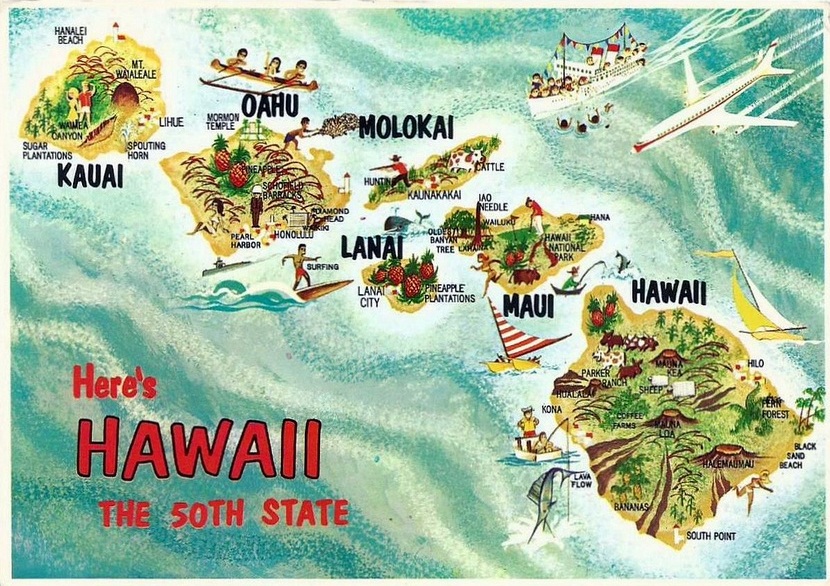
Early Contact and Economic Integration
The islands were thrust into the global spotlight following their “discovery” by Captain James Cook in 1778. In the century that followed, the archipelago became a vital crossroads for the Pacific whaling industry, merchant shipping, and later, the burgeoning sugar industry. American missionaries, who arrived in Honolulu in the early 1820s, significantly influenced the islands’ social and political structures, often blurring the lines between religious guidance and governance.
The Rise of the Sugar Barons
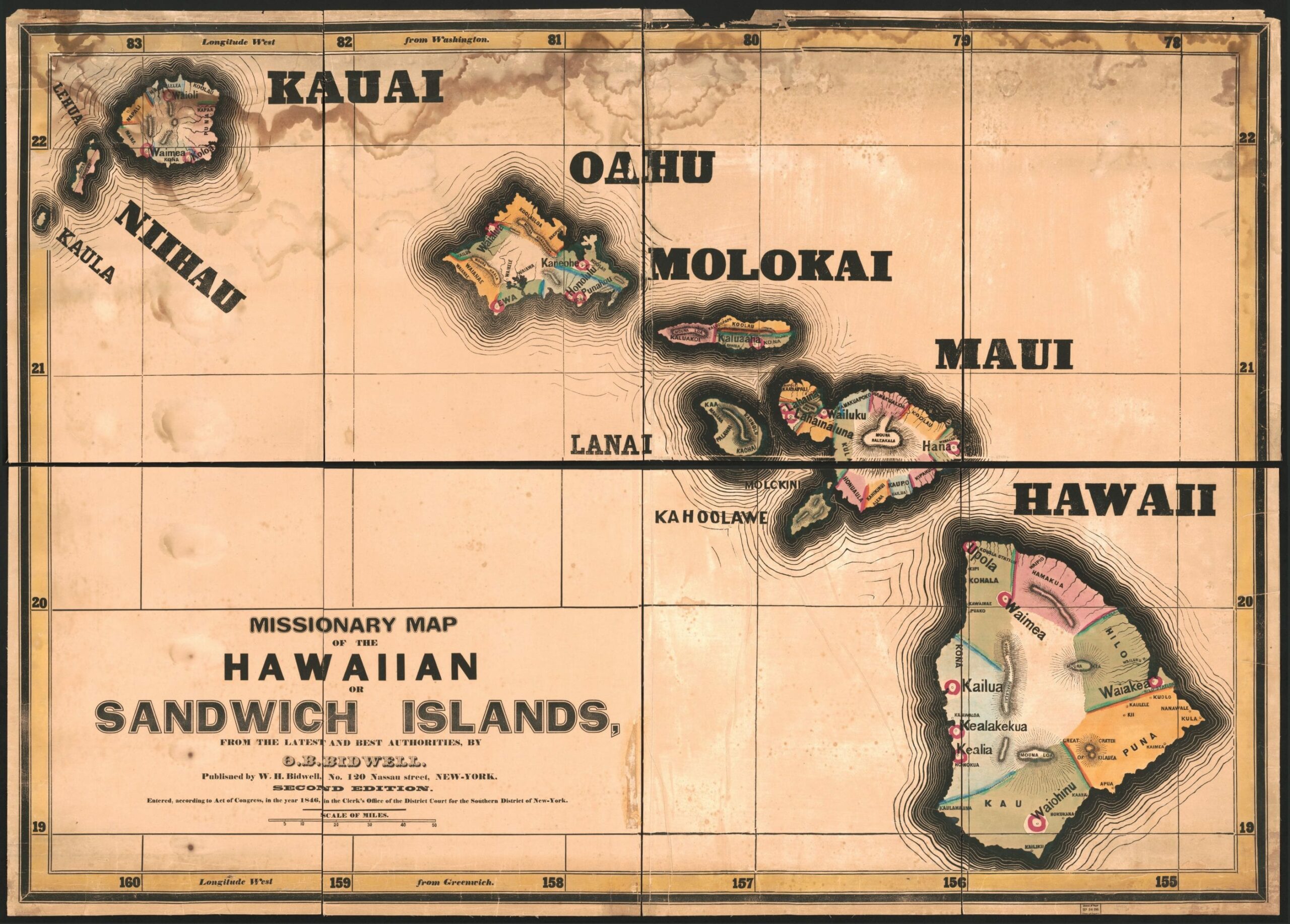
By the mid-1800s, the economic destiny of the islands was increasingly tied to the American mainland. The Reciprocity Treaty of 1875, which allowed for the duty-free import of Hawaiian sugar into the United States, solidified the dominance of American-owned plantations. As these corporations grew in power, they sought more control over the political apparatus of the kingdom to protect their financial interests, setting the stage for a dramatic shift in sovereignty.
The Overthrow and the Republic of Hawaii
The transformation of Hawaii from a sovereign monarchy to a possession of the United States did not happen through a peaceful, unified vote of the native population. Instead, it was the result of a coordinated effort by a group of sugar planters and businessmen, backed by the presence of U.S. naval forces.
The Coup of 1893
In 1893, Queen Liliuokalani, the last reigning monarch, sought to promulgate a new constitution that would restore power to the Hawaiian people and limit the influence of foreign business interests. In response, a committee of safety—comprised largely of American residents—staged a coup. With the support of U.S. Minister John L. Stevens and the landing of U.S. Marines from the USS Boston, the Queen was forced to yield her authority under protest to prevent bloodshed.
The Brief Existence of a Republic
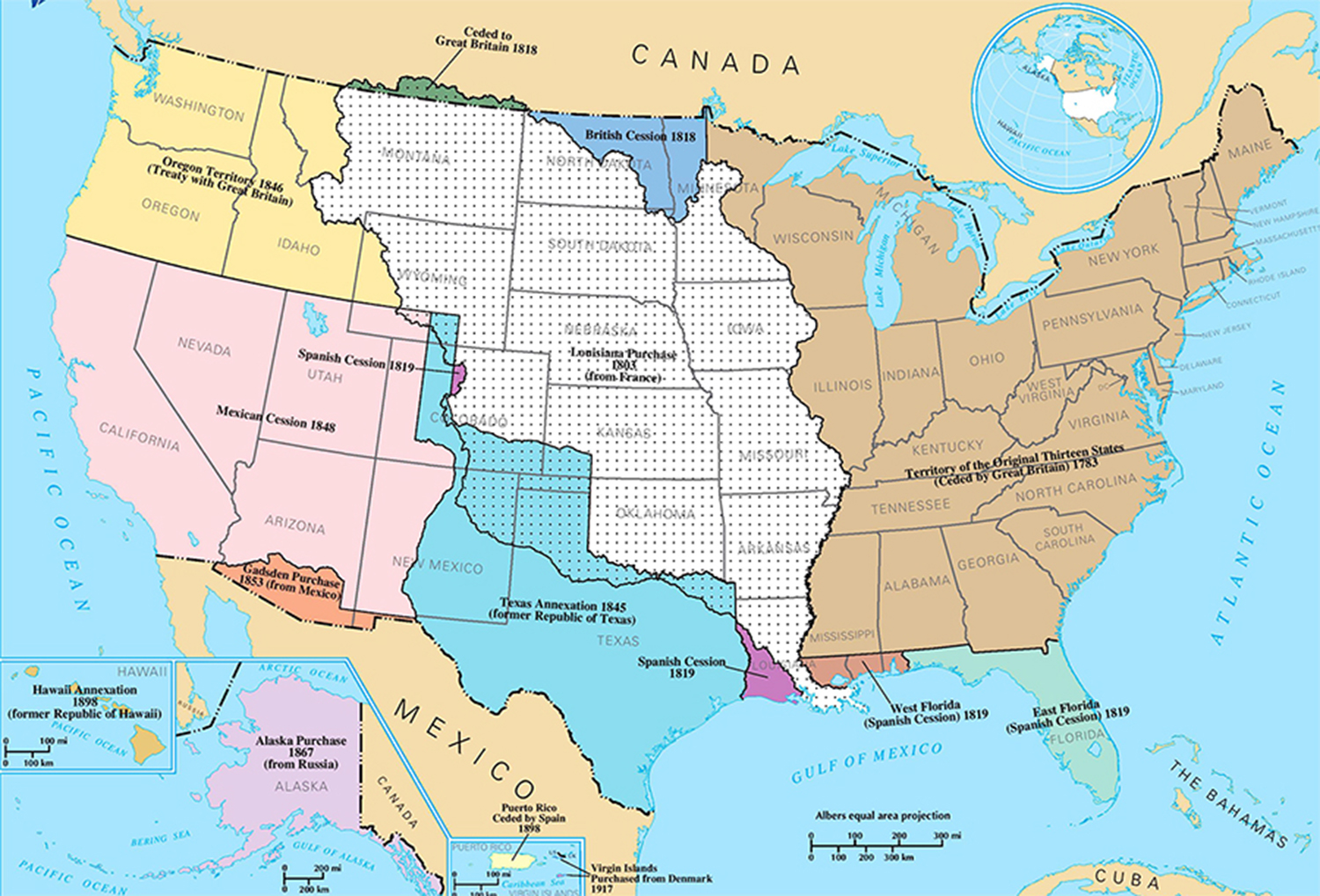
Following the overthrow, a provisional government was established with the ultimate goal of annexation by the United States. While President Grover Cleveland initially rejected the treaty of annexation, citing the illegal nature of the coup, the situation shifted during the Spanish-American War. The strategic value of Pearl Harbor as a coaling station and naval base became undeniable, leading to the formal annexation of the islands in 1898 through the Newlands Resolution.
The Path to Statehood
For over sixty years, Hawaii functioned as an incorporated territory. During this period, the islands underwent profound demographic and cultural changes, yet the movement to achieve full representation in the American political system persisted.
The Territorial Period
As a territory, Hawaii was governed by officials appointed by the President of the United States. The early 20th century saw the development of Oahu as a critical military outpost. The attack on Pearl Harbor on December 7, 1941, by the Empire of Japan, thrust the islands into the center of the global conflict. The bravery of the 442nd Infantry Regiment, a unit composed largely of Japanese-Americans from Hawaii, proved the profound loyalty of the islands’ residents to the American cause.
The 1959 Referendum
The post-war era brought a renewed push for statehood. Supporters argued that the territory had matured, having contributed significantly to the defense of the nation and the expansion of the American economy. In 1959, the United States Congress passed the Hawaii Admission Act. Following a public referendum where an overwhelming majority of the island’s residents voted in favor of joining the Union, Hawaii was officially proclaimed the 50th state of the United States on August 21, 1959.
Modern Legacy and Historical Reflection
Today, Hawaii stands as a unique testament to the intersection of ancient Polynesian roots and modern American democracy. The process of how the islands came to be part of the United States remains a subject of ongoing dialogue, reflection, and reconciliation.
Preserving Native Culture
Despite the shift in political structure, the spirit of the Hawaiian people, known as the Aloha Spirit, remains the heartbeat of the islands. Landmarks such as the Iolani Palace, the only royal palace on American soil, serve as vital centers for education, reminding visitors of the rich history of the Hawaiian monarchy. Efforts to revitalize the Hawaiian language, traditional navigation, and cultural arts have gained significant momentum, ensuring that the indigenous identity is not lost to history.
The Crossroads of the Pacific
Modern-day Hawaii continues to be an integral part of the American experience, serving as a beacon of multiculturalism and a vital link to the nations of the Pacific Rim. From the bustling streets of Waikiki to the rugged, awe-inspiring landscapes of the Hawaii Volcanoes National Park, the islands offer a look into a place where deep-seated history meets contemporary development.
Understanding when and how Hawaii became part of the United States is essential for any traveler or student of history. It is a story not just of dates, laws, and treaties, but of people, struggles, and the enduring resilience of a culture that has navigated centuries of change. As one traverses the islands today, one can see the layers of this past, from the quiet dignity of the Pacific National Monument to the vibrant communities that make the islands a truly unique destination. Whether visiting the historic sites in Maui or exploring the natural beauty of Kauai, the observer finds that Hawaii is not merely a state, but a world unto itself, deeply connected to its past and ever looking toward the future.
LifeOutOfTheBox is a participant in the Amazon Services LLC Associates Program, an affiliate advertising program designed to provide a means for sites to earn advertising fees by advertising and linking to Amazon.com. Amazon, the Amazon logo, AmazonSupply, and the AmazonSupply logo are trademarks of Amazon.com, Inc. or its affiliates. As an Amazon Associate we earn affiliate commissions from qualifying purchases.