
When travelers dream of the perfect Pacific getaway, the name Hawaii often surfaces as a singular paradise. However, a common point of confusion for those planning their first excursion to this archipelago is the geographic reality of the state. To put it simply, Hawaii is not just a single island; it is a sprawling chain of volcanic landmasses, each offering a distinct personality, landscape, and cultural experience. Understanding this distinction is the first step toward planning an unforgettable journey through one of the most iconic travel destinations in the world.
The Archipelago Explained: More Than a Singular Point on the Map
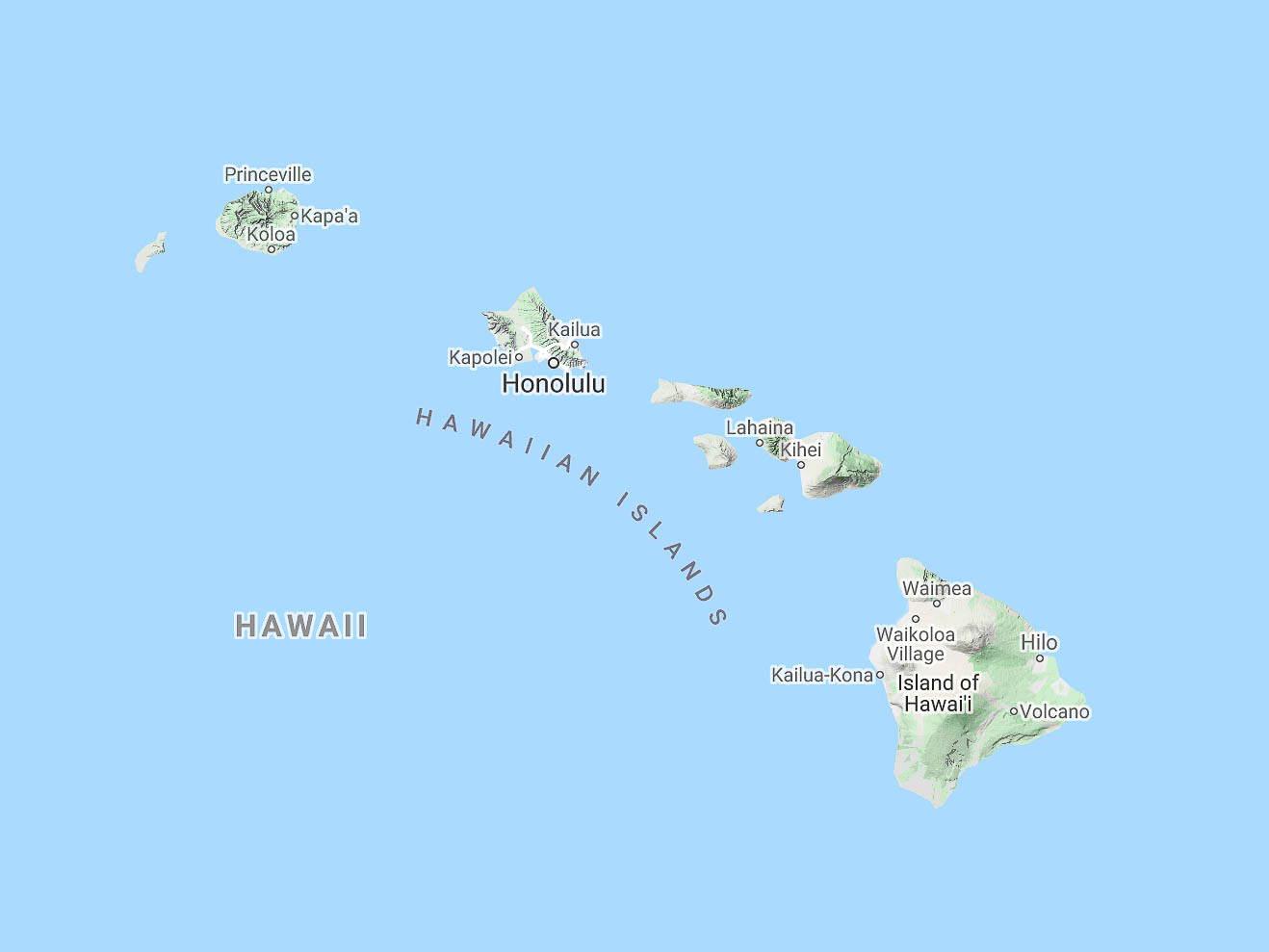
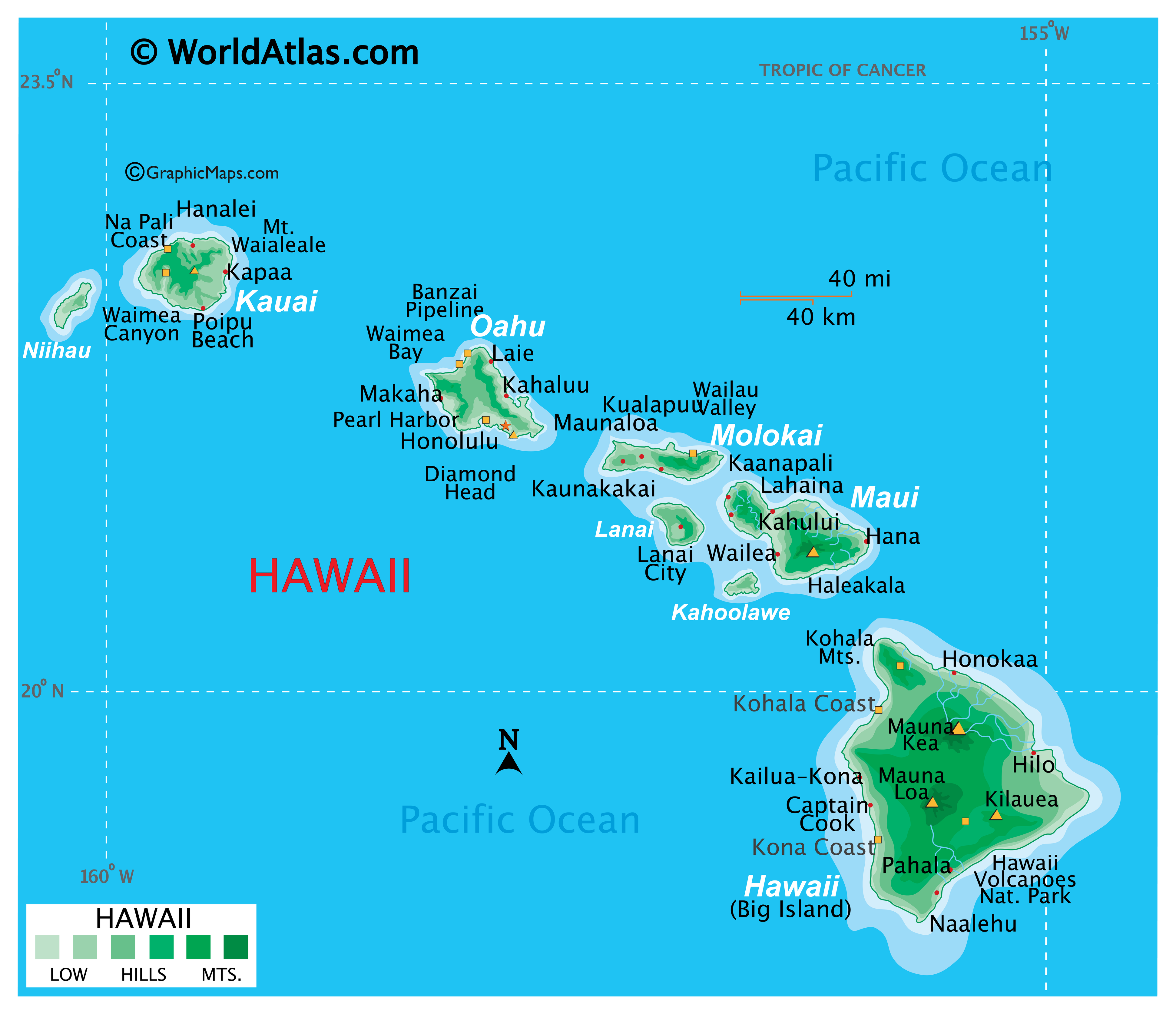
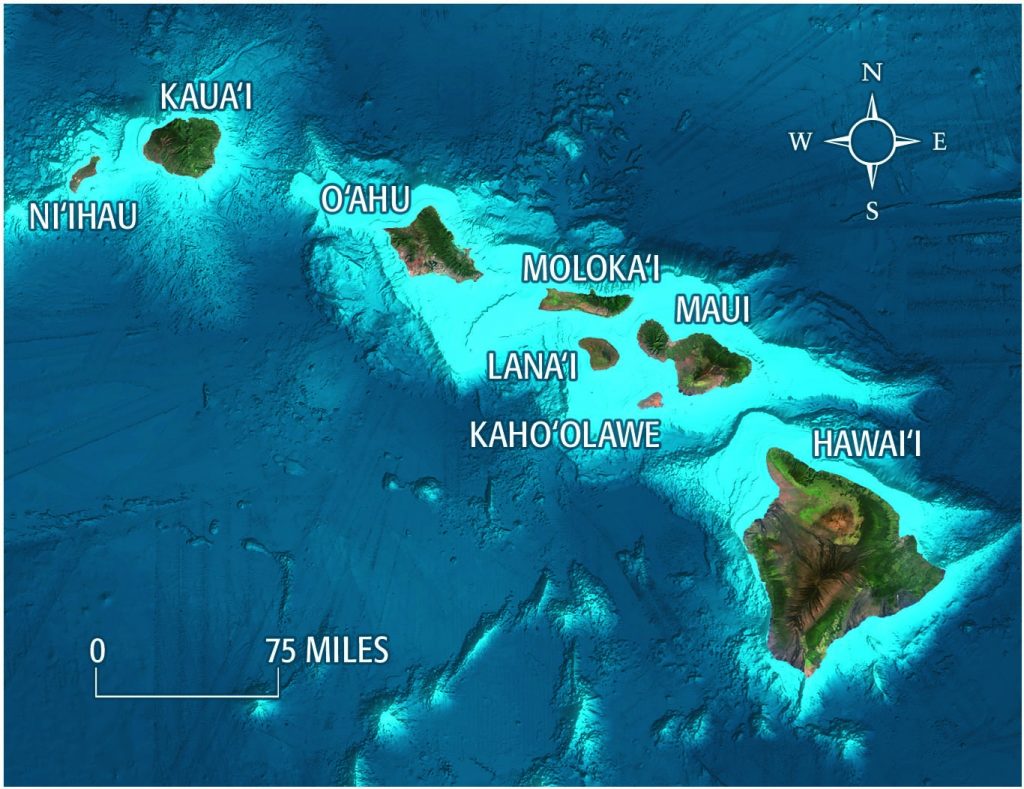
The state of Hawaii consists of eight main islands, along with dozens of smaller islets and atolls. Situated in the central Pacific Ocean, this volcanic chain was formed by the movement of the Pacific Plate over a geological “hotspot.” This unique formation process has resulted in a breathtaking diversity of terrain, ranging from lush tropical rainforests and jagged mountain peaks to arid lava deserts and pristine golden beaches.
The Major Islands
Travelers typically focus their itineraries on the four primary islands that accommodate the vast majority of visitors:
- Oahu: Known as the “Gathering Place,” this is the home of the state capital, Honolulu. It serves as the bustling heart of the archipelago, blending urban convenience with legendary surf spots like Waikiki Beach.
- Maui: Often called the “Valley Isle,” Maui is famous for its stunning coastlines, the winding Road to Hana, and the sunrise vistas atop the Haleakala National Park.
- Kauai: Referred to as the “Garden Isle,” Kauai is defined by its dramatic cliffs, such as those found on the Na Pali Coast, and the deep, red canyons of Waimea Canyon.
- Hawaii (The Big Island): The largest landmass in the chain, it gives the state its name. It is a land of extremes, featuring active volcanoes at Hawaii Volcanoes National Park and the snow-capped peak of Mauna Kea.
Navigating the Diverse Landscapes of the Islands
Because Hawaii is comprised of multiple islands, the travel experience varies wildly depending on your chosen destination. A week spent in the metropolitan energy of Oahu feels fundamentally different from a week spent exploring the remote, rugged wilderness of Kauai.
The Urban Energy of Oahu
For those who want to experience the intersection of history and modern travel, Oahu is the primary gateway. Visitors often head straight to Pearl Harbor to pay their respects at the USS Arizona Memorial. After immersing themselves in history, many head to the North Shore to watch world-class surfers tackle the massive winter swells.
The Natural Wonders of Maui and the Big Island
If your priority is nature and adventure, Maui and the Big Island provide the most comprehensive experiences. On Maui, the Molokini Crater offers some of the best snorkeling in the world, while the Big Island allows visitors to witness the literal creation of land as lava flows meet the sea. Hiking through the Akaka Falls State Park is another highlight for those looking to experience the lush, verdant interior of these volcanic peaks.
Cultural Significance and Travel Etiquette
When traveling through Hawaii, it is vital to remember that the islands represent a living culture, not just a resort playground. The concept of Aloha is central to the local identity. It transcends the common greeting; it represents a way of life characterized by kindness, respect, and a deep, spiritual connection to the land, or aina.
Respecting the Environment
Given the fragile ecosystem of the islands, responsible travel is essential. Whether you are exploring Diamond Head State Monument or swimming in the waters off Hanalei Bay, visitors are encouraged to stay on marked trails and practice reef-safe sun protection. The islands are home to unique flora and fauna found nowhere else on earth, and preserving these ecosystems is a shared responsibility between locals and tourists.
Engaging with Local Traditions
Authentic travel in Hawaii involves seeking out genuine experiences. This might mean attending an authentic Luau to learn about Polynesian history or visiting the Polynesian Cultural Center to gain a deeper understanding of the diverse ethnic influences that have shaped the contemporary culture of the United States. Engaging with local artisans and dining at neighborhood establishments in towns like Hilo or Lahaina provides a much richer context than sticking solely to tourist corridors.
Planning Your Island-Hopping Itinerary
Because Hawaii consists of multiple distinct islands, many travelers wonder if it is possible to visit more than one during a single trip. The answer is a resounding yes, though it requires careful logistical planning.
Getting Around
Inter-island travel is primarily facilitated by regional airlines. Flights between islands are typically short, often lasting less than an hour, making it feasible to split a vacation between two or even three islands. If you are staying on Maui, for instance, a quick hop to Lanai or Molokai can provide a much quieter, more secluded pace of life compared to the more populated centers.
Tailoring Your Stay
To make the most of your time, categorize your interests:
- Adventure: Prioritize Kauai for hiking and Hawaii for volcano trekking.
- Relaxation: Look toward the boutique resorts in Wailea or the secluded beaches of Kauai.
- History & Culture: Spend significant time on Oahu exploring the historic districts and museums.
By understanding that Hawaii is not a single location but a collection of diverse, unique islands, you can better tailor your itinerary to match your personal travel goals. Whether you are looking for the vibrant city life of a tropical hub, the serene silence of a secluded cove, or the thrill of hiking along the rim of a volcano, the archipelago offers a nearly limitless array of experiences. Start your planning by recognizing the scale and variety of this remarkable Pacific treasure, and you will find that the journey across these islands is far more rewarding than a visit to a single destination could ever be.
LifeOutOfTheBox is a participant in the Amazon Services LLC Associates Program, an affiliate advertising program designed to provide a means for sites to earn advertising fees by advertising and linking to Amazon.com. Amazon, the Amazon logo, AmazonSupply, and the AmazonSupply logo are trademarks of Amazon.com, Inc. or its affiliates. As an Amazon Associate we earn affiliate commissions from qualifying purchases.