
Determining the ideal time for an excursion to the islands of Hawaii requires balancing weather patterns, crowd density, and seasonal costs. As a premier destination in the Pacific Ocean, this archipelago offers distinct experiences depending on when you choose to touch down at Daniel K. Inouye International Airport. Whether you are chasing the legendary surf of the North Shore or looking for the serenity of a remote beach, timing is everything.
Balancing Weather and Seasonal Variability
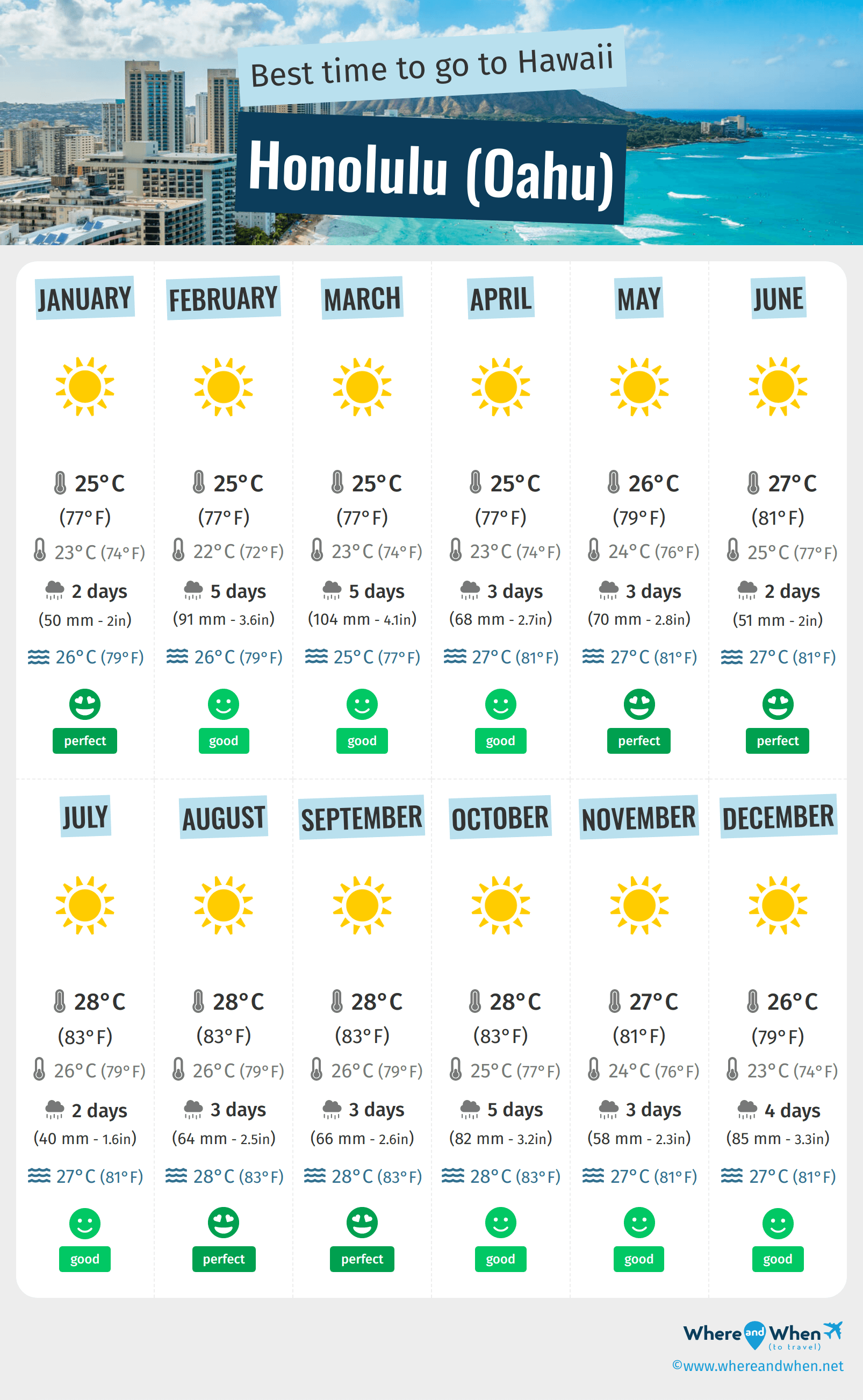
The climate in Hawaii is often characterized as a tropical paradise, but it is defined by two primary seasons: the dry season (kau), which runs from May to October, and the wet season (ho‘oilo), which spans from November to April.
The Dry Season: Ideal for Beach Lovers
For those prioritizing consistent sunshine and calm waters, the summer months are unmatched. During this period, the humidity is moderate, and the trade winds provide a refreshing breeze across islands like Oahu and Maui. This is the best time for swimming, snorkeling in Hanauma Bay, and hiking the rugged trails of Diamond Head. Because the weather is predictably pleasant, these months represent the peak tourism season, particularly when schools are out of session.
The Wet Season: Green Landscapes and Dramatic Scenery
Traveling between November and April brings a higher likelihood of rain, particularly on the windward, or northern, sides of the islands. However, this is when the landscape becomes incredibly lush and vibrant. For visitors heading to Kauai, often called the “Garden Isle,” the rain is what sustains the dramatic beauty of the Na Pali Coast. While you might encounter scattered showers, they are usually short-lived, and the trade-off is often lower accommodation rates and fewer crowds compared to the bustling summer months.
Navigating Crowd Fluctuations and Peak Tourism Cycles
Understanding the pulse of Hawaiian tourism is essential for travelers who prefer quiet exploration over crowded vistas. The state experiences specific surges in visitor numbers that directly correlate with domestic holiday schedules and international travel trends.
Avoiding the Peak Rush
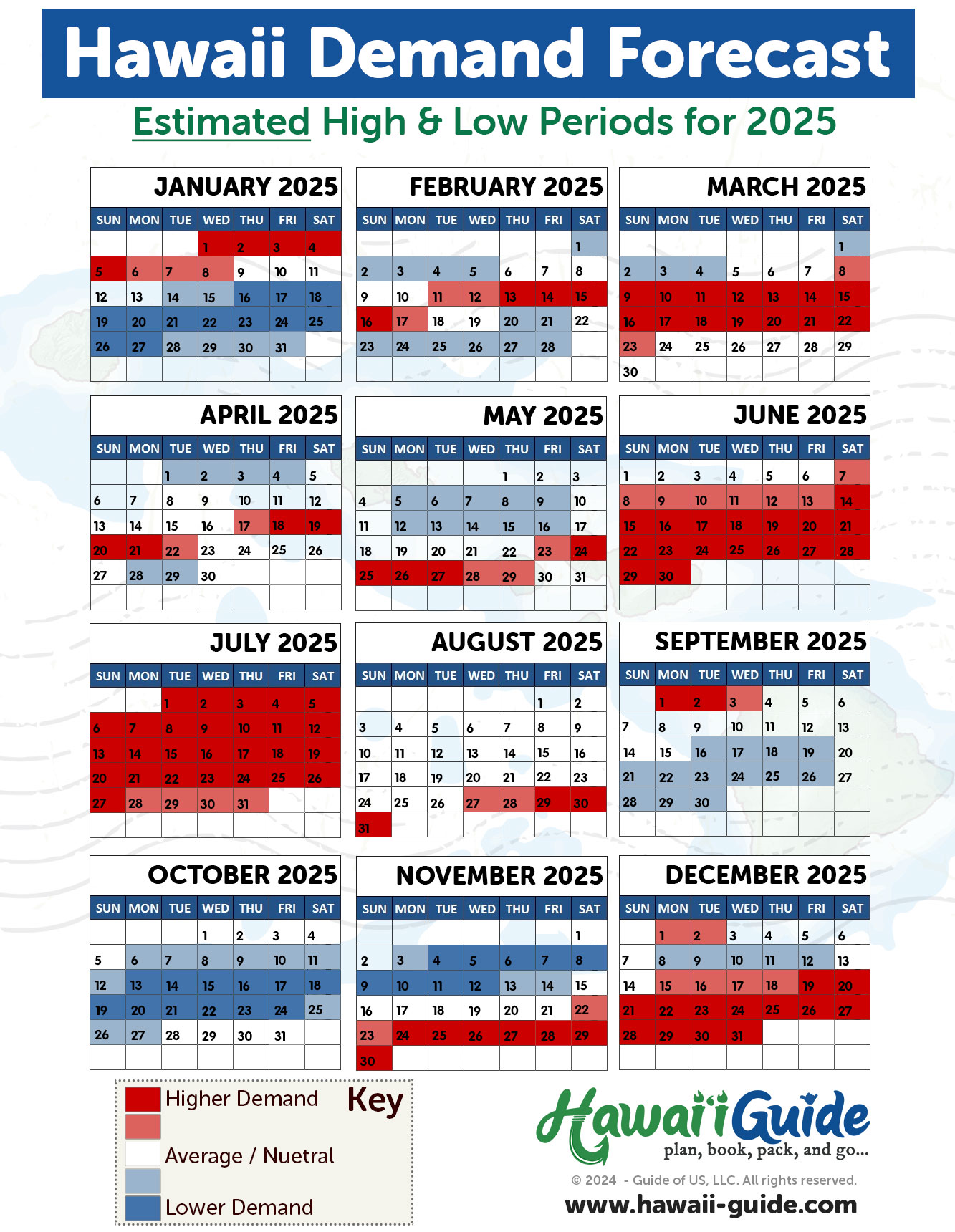
The busiest times to visit Hawaii are predictably during the winter holidays (late December to early January) and the spring break window in March and April. During these periods, flights to Kahului Airport reach maximum capacity, and popular landmarks like Pearl Harbor can become quite congested. If your primary goal is to avoid long lines at attractions or to secure a tranquil spot on the sands of Waikiki Beach, you should aim to book your trip during the “shoulder” seasons.
The Value of Shoulder Seasons
The periods between mid-April to early June and mid-September to mid-December are widely considered the sweet spots for travel. During these windows, the weather remains temperate, yet the influx of tourists is significantly lower. This is the optimal time to secure better rates on flights and lodging, and you will find that dining at popular venues in Honolulu becomes much more accessible without requiring reservations months in advance.
Seasonal Experiences and Nature’s Spectacles
Beyond temperature and crowds, the best time to visit is often determined by the specific activities you wish to prioritize. Hawaii is a living ecosystem, and certain events are strictly seasonal.
Whale Watching and Winter Surfing
If observing marine life is on your itinerary, the winter months are non-negotiable. Humpback whales migrate to the warm, shallow waters surrounding the Hawaiian Islands to mate and give birth. The peak viewing period is typically from January through March, especially in the channel between Maui, Molokai, and Lanai.
Conversely, for surf enthusiasts, winter brings the legendary swells to the northern coasts. Watching professionals tackle the massive waves at Banzai Pipeline is an iconic Hawaiian experience. If you are not a pro, however, these winter months are the time to stick to designated swimming beaches, as the currents can become incredibly dangerous for inexperienced swimmers.
Cultural Festivals and Local Events
Immersing yourself in local culture is a highlight of any visit. Events like the Merrie Monarch Festival, held in Hilo on the Big Island each spring, provide a profound look at traditional hula and Hawaiian heritage. Planning your trip around such events can add a layer of depth to your vacation that a typical beach trip cannot match. Keep in mind that these festivals attract significant numbers of travelers, so booking accommodations in cities like Kailua-Kona should be done well in advance.
Strategic Planning for an Optimal Island Visit
To maximize the value and enjoyment of your trip, consider a strategy that layers these factors. Most seasoned travelers agree that the best balance of price, weather, and crowd management is found during the first two weeks of May or the first two weeks of November.
Considerations for the Big Island
If you are visiting the Big Island, your timing is also influenced by the geography of Hawaii Volcanoes National Park. Unlike the temperate beaches, the summit of these volcanic peaks can be quite cold, even in the middle of summer. Being prepared for temperature shifts is just as important as choosing the right month to fly.

Final Tips for Your Travel Schedule
- Book Mid-Week: Flying on Tuesdays or Wednesdays usually yields the lowest airfare rates when arriving at Lihue Airport or any other major hub.
- Monitor Local Weather: While the climate is generally predictable, microclimates exist across the islands. Check local forecasts for specific regions, such as the Kohala Coast, rather than relying on a general state-wide report.
- Respect the Land: Regardless of when you visit, always adhere to local guidelines regarding the environment. From protecting the coral reefs at Molokini Crater to staying on marked trails in Haleakala National Park, your respect for the environment ensures the islands remain beautiful for future visitors.
Ultimately, there is no “wrong” time to experience the magic of the islands. Whether you choose the surf-heavy winters, the lush and rain-kissed transition months, or the bright and sunny summer days, Hawaii consistently delivers a transformative experience. By aligning your personal priorities with these seasonal nuances, you can craft a trip that feels both perfectly timed and unforgettable.
LifeOutOfTheBox is a participant in the Amazon Services LLC Associates Program, an affiliate advertising program designed to provide a means for sites to earn advertising fees by advertising and linking to Amazon.com. Amazon, the Amazon logo, AmazonSupply, and the AmazonSupply logo are trademarks of Amazon.com, Inc. or its affiliates. As an Amazon Associate we earn affiliate commissions from qualifying purchases.