
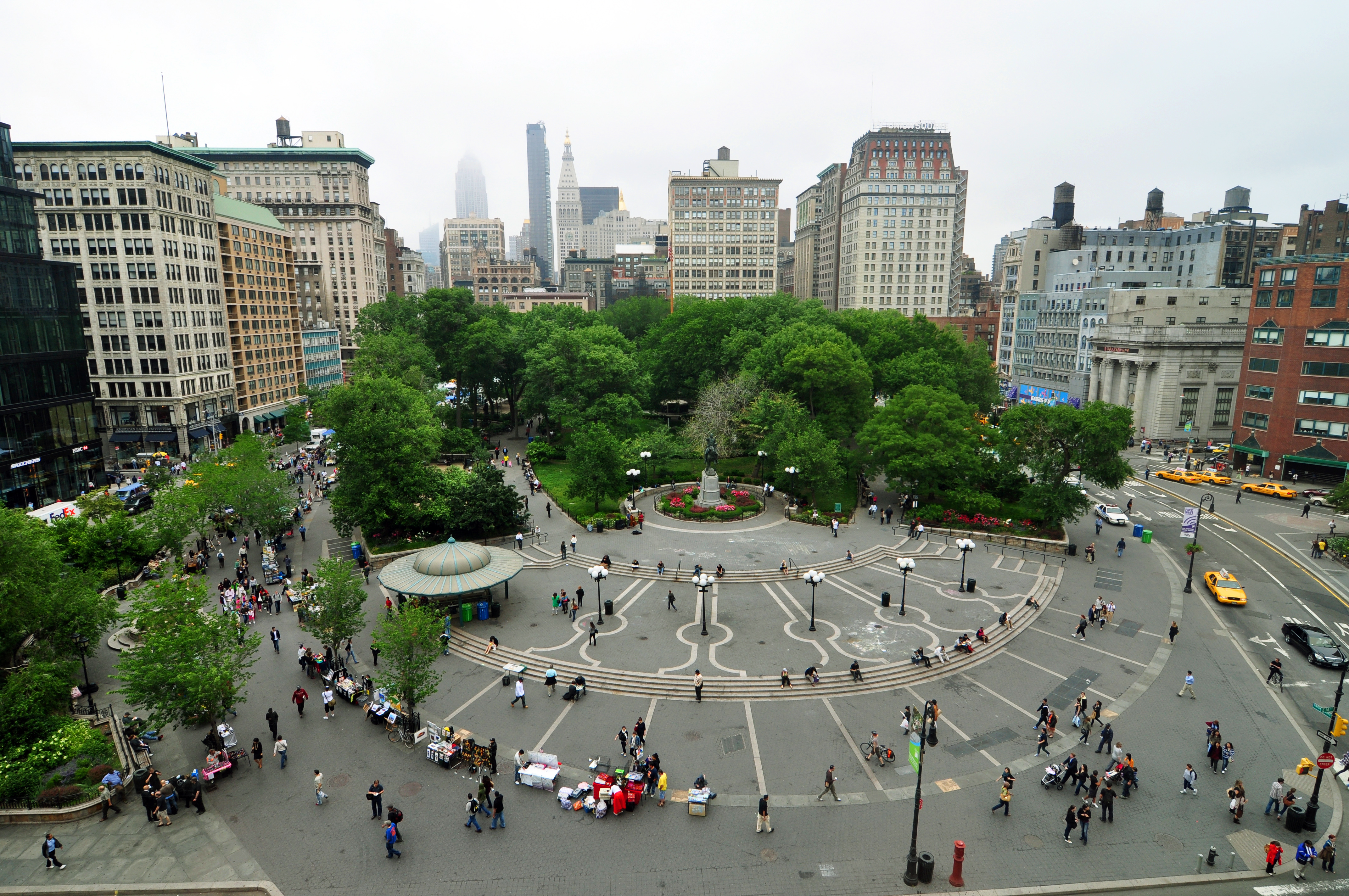
Union Square stands as one of the most vibrant and historically significant crossroads in New York City. Located in the borough of Manhattan, this bustling public plaza serves as the heartbeat of the downtown area. It is officially bounded by 14th Street to the south, 17th Street to the north, Broadway to the west, and Park Avenue South to the east. For those navigating the city, it sits at the confluence of several iconic neighborhoods, including Greenwich Village, Chelsea, and the Flatiron District.
Understanding the precise geography of this square is essential for any visitor or local, as it acts as a central hub for transit, commerce, and civic engagement. Whether you are looking to immerse yourself in the local culture, explore architectural marvels, or simply find your bearings in the concrete jungle, knowing exactly where this landmark lies is your first step toward an unforgettable urban experience.
The Geography and Transit Connectivity
At its core, the area is defined by its accessibility. The Union Square Park serves as the anchor, and its strategic location makes it one of the most accessible points in New York.
The Transit Hub
The square is home to the 14th Street-Union Square Station, a major interchange for the New York City Subway. Several train lines—including the 4, 5, 6, L, N, Q, R, and W—converge here, making it possible to travel to virtually any part of the city with ease. If you are arriving from Grand Central Terminal or traveling from Brooklyn, this station provides a seamless transition into the heart of the district.
Surrounding Streets and Neighborhoods
By being positioned right where the Grid Plan of Manhattan shifts slightly, the square feels like a natural breaking point between the dense, historical streets of the south and the more organized avenues of the north. Its proximity to East 14th Street ensures that it remains a high-traffic area, bustling with students from nearby New York University and residents from all walks of life.
Historical Significance and Landmarks
Beyond its coordinates, the area is steeped in history. The space earned its name not from a labor union, but from the fact that it sits at the “union” of Bloomingdale Road (an old road that eventually became a part of Broadway) and the Bowery.
A Hub of Public Life
Throughout the 19th and 20th centuries, the park became a focal point for labor demonstrations, political rallies, and cultural gatherings. Walking through the plaza today, one can see statues of figures like George Washington, Abraham Lincoln, and Marquis de Lafayette, all of which serve as reminders of the area’s deep ties to American heritage.
Iconic Architectural Neighbors
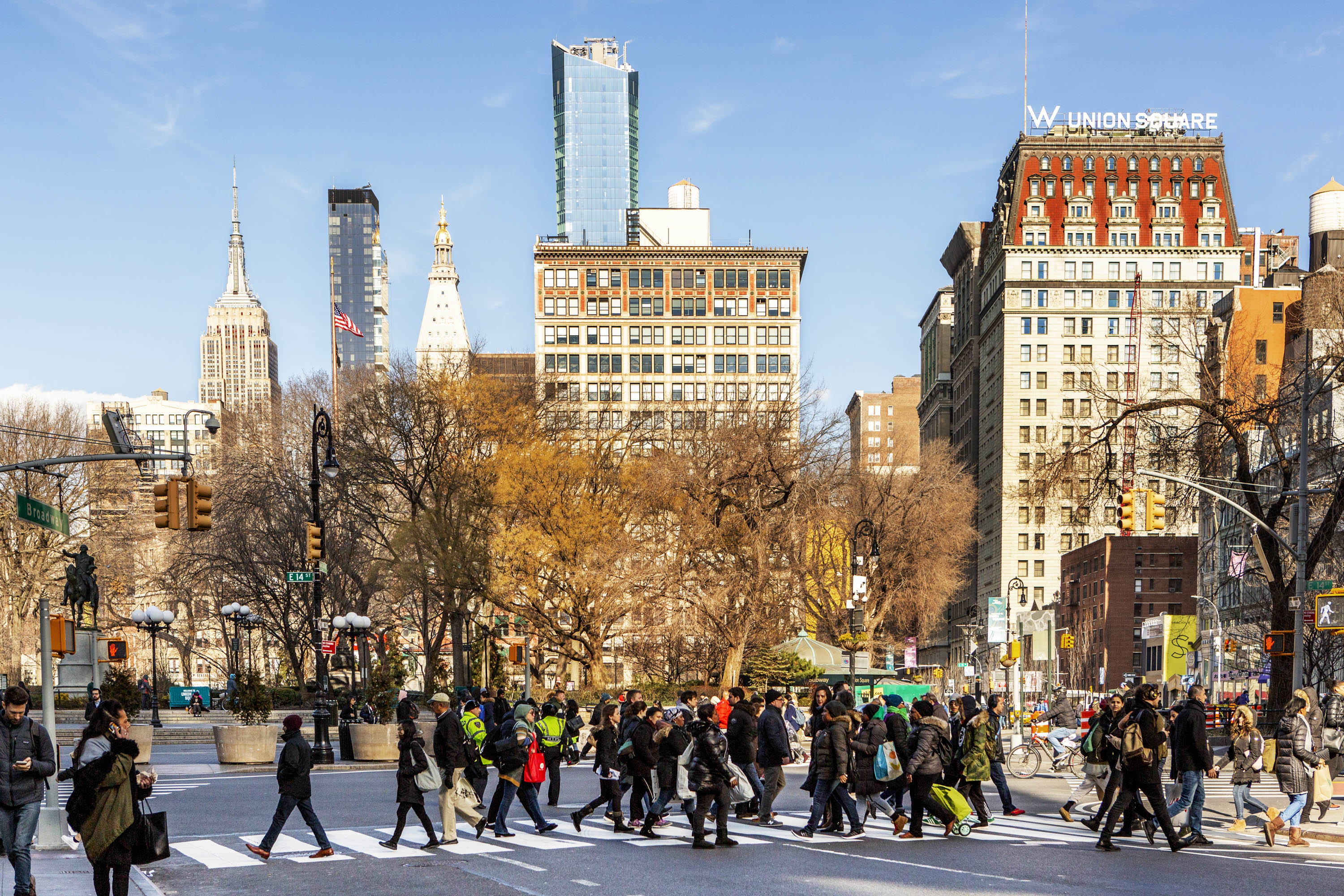
If you stand at the center of the park and look outward, you are surrounded by architectural history. The Zeckendorf Towers dominate the eastern skyline, while the historic Everett Building and other early 20th-century commercial structures provide a sophisticated aesthetic contrast. Just a short walk north brings you to the world-famous Flatiron Building, a quintessential symbol of United States architecture that defines the northern edge of the greater Union Square vicinity.
Cultural Experiences and Local Flavor
The true charm of this location lies in how it serves the local community. It is not merely a transit point; it is a destination for food, art, and leisure.
The Union Square Greenmarket
Perhaps the most famous feature of the square is the Union Square Greenmarket. Held several days a week, this farmers’ market brings the agricultural bounty of New York State into the heart of the city. You will find local farmers selling everything from seasonal fruits and vegetables to artisanal cheeses, honey, and fresh-baked breads. It is a quintessential New York experience that highlights the city’s commitment to local food sustainability.
Shopping and Dining
The streets bordering the square are lined with an eclectic mix of retail and culinary offerings. From the legendary Strand Bookstore just a few blocks south on Broadway to upscale eateries tucked into University Place, the area caters to every taste. Whether you are craving a quick coffee from a local cafe or a fine dining experience, the proximity to both Gramercy Park and the Lower East Side provides an endless variety of options.
Navigating the Square as a Visitor
When visiting, it is helpful to treat this plaza as your home base for exploration. Because it is so centrally located, it is an ideal starting point for your daily itinerary.
Walking North toward Midtown
If you choose to walk north from 17th Street, you are heading directly toward Midtown Manhattan. This path takes you past some of the most prominent retail stores and eventually toward Herald Square and Empire State Building.
Walking South toward the Village
Alternatively, venturing south allows you to dive into the winding, historic streets of Greenwich Village. This area is famous for its jazz clubs, cozy brownstones, and Washington Square Park. The transition from the high-energy intersection of the square to the quieter, leafier streets of the village is one of the most rewarding walks in the city.

Practical Tips
- Time of Day: Visit in the early morning to see the Greenmarket at its busiest, or in the late afternoon to experience the vibrant energy of office workers and students passing through.
- Orientation: Always keep the Empire State Building in your sightline if you are heading north; it is the perfect compass for anyone walking through Manhattan.
- Safety and Crowds: As with any major urban landmark, remain aware of your surroundings, especially during peak commute hours. However, the plaza is generally safe, well-lit, and constantly monitored by the New York City Police Department.
In summary, where is Union Square? It is the nexus where the city’s past and present meet. It is a vital link in the New York City transit network, a historical landmark, and a thriving cultural center. By identifying its location and understanding its importance, you transform from a casual tourist into an informed traveler ready to explore the endless possibilities of Manhattan. Whether you are drawn by the freshness of the market, the history of the statues, or the sheer convenience of the subway lines, this square remains an indispensable part of the New York identity.
LifeOutOfTheBox is a participant in the Amazon Services LLC Associates Program, an affiliate advertising program designed to provide a means for sites to earn advertising fees by advertising and linking to Amazon.com. Amazon, the Amazon logo, AmazonSupply, and the AmazonSupply logo are trademarks of Amazon.com, Inc. or its affiliates. As an Amazon Associate we earn affiliate commissions from qualifying purchases.