
For travelers planning a dream vacation to the tropical paradise of Hawaii, safety and weather conditions are often top-of-mind concerns. The Pacific archipelago is world-renowned for its pristine beaches, lush rainforests, and vibrant Polynesian culture. While visitors flock to the Pacific Ocean for surfing and snorkeling, the question of whether a hurricane might disrupt these plans is a common inquiry. Understanding the history of tropical cyclones in the region is essential for any traveler seeking peace of mind while booking their getaway.
The Historical Context of Tropical Cyclones in the Pacific
The Central Pacific basin is a unique meteorological environment. Unlike the Atlantic Ocean or the Caribbean Sea, where hurricane activity is frequent and often intense, the waters surrounding the Hawaiian Islands are protected by cooler waters and high wind shear, which typically act as a buffer against major storm systems.
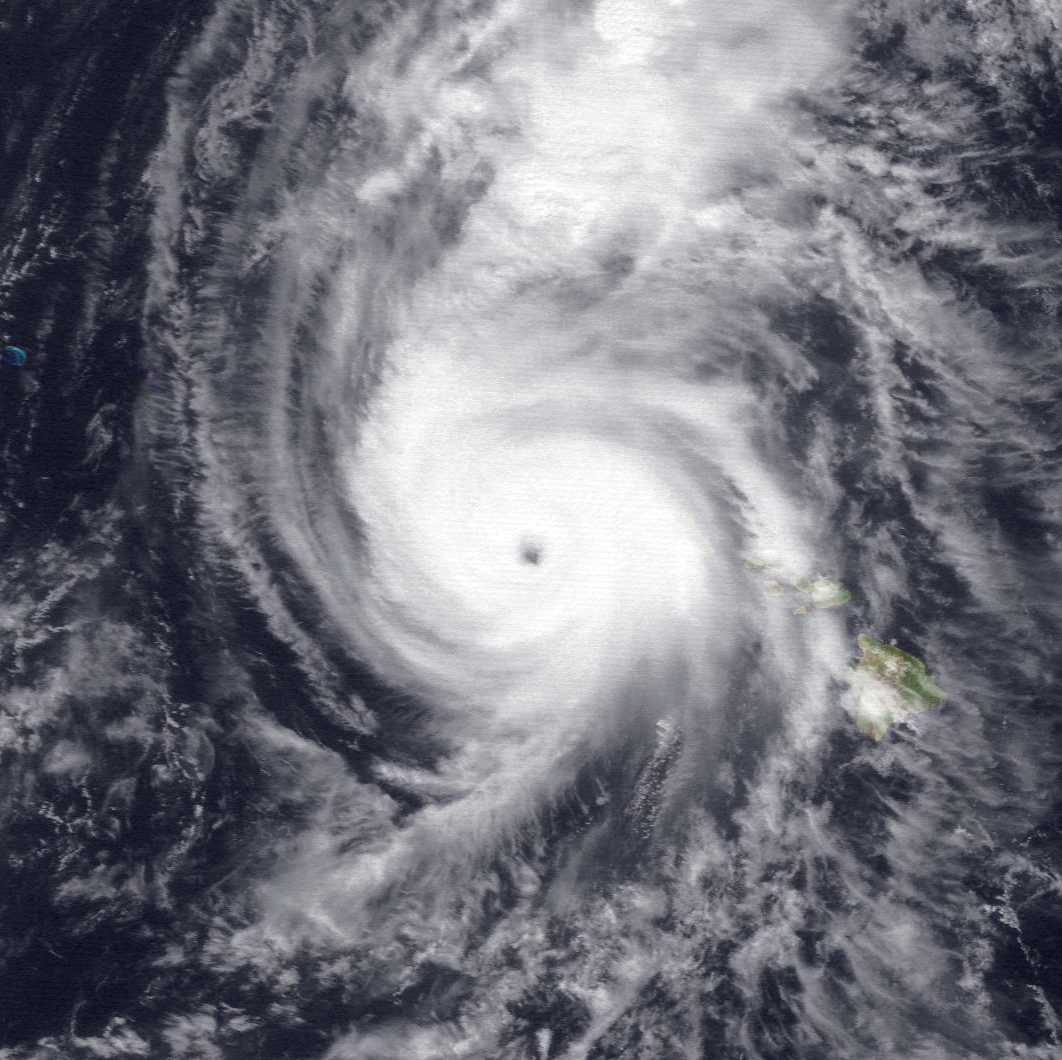
Understanding the Frequency of Storms
Historically, Hawaii has seen very few direct hits from hurricanes. While tropical storms and depressions pass through the area during the official hurricane season—which runs from June 1st through November 30th—the islands are relatively small targets in a massive ocean, making a direct landfall a statistically rare event. Most systems that approach from the east weaken significantly as they encounter the cooler waters of the Pacific or are steered away by atmospheric currents before reaching the islands.
Significant Storms in Recent Memory
To answer the question of the last significant hurricane impact, one must look at Hurricane Iniki in 1992. This was the most powerful hurricane to strike Hawaii in recorded history. It devastated the island of Kauai, causing widespread damage to infrastructure and homes. Since that time, while several storms have skirted the islands or brought tropical storm-force winds and heavy rain, there has not been a direct strike of similar magnitude. This rarity is a testament to the geographical fortune of the islands.
Safety and Infrastructure for Modern Travelers
Traveling to Oahu, Maui, or The Big Island requires an understanding of how the state manages severe weather. Because the threat of hurricanes is low but present, Hawaii maintains a robust emergency management system designed to keep both residents and tourists safe.
How Hawaii Prepares for Weather Events
The Hawaii Emergency Management Agency works in tandem with local authorities to ensure that communication lines are open. Should a tropical system develop, the state uses an advanced network of sirens, radio broadcasts, and mobile alerts to provide updates to visitors. If you are staying at a major resort or hotel, the management is well-trained in evacuation protocols and guest communication, ensuring that you are informed long before any significant weather shift occurs.

What Travelers Should Know Before They Book
If you are worried about the potential for extreme weather, the best strategy is to be informed rather than anxious.
- Monitor Official Sources: During your trip, keep an eye on the Central Pacific Hurricane Center for the most accurate, real-time data.
- Purchase Travel Insurance: Given that unpredictable weather can occasionally cause flight delays or cancellations, comprehensive travel insurance is a recommended safeguard for any trip to the Pacific.
- Stay Informed: Most travelers find that even during the peak of hurricane season, the majority of days remain filled with sunshine and calm breezes, typical of the Aloha State.
Traveling During Hurricane Season: Should You Go?
Many travelers hesitate to book trips between June and November, fearing that a hurricane will ruin their vacation. However, the probability of encountering a life-threatening storm during your stay is statistically very low. In fact, many locals consider the shoulder season to be one of the best times to explore the islands due to fewer crowds and comfortable temperatures.
The Benefits of Visiting in the Off-Season
Visiting Honolulu or the North Shore during the quieter months allows for a more authentic and intimate experience. You can enjoy popular landmarks like Waikiki Beach or Diamond Head State Monument with significantly less competition for space. While the weather may occasionally bring increased humidity or short-lived tropical showers, these are usually brief and do little to dampen the spirits of those exploring the beauty of Hawaii Volcanoes National Park.
Assessing the Risks of Tropical Disturbance
It is important to distinguish between a “direct hit” and “inclement weather.” Hawaii often experiences the outer bands of passing tropical systems, which may result in increased rainfall or stronger-than-average surf. While this might force a change in your plans to go snorkeling at Hanauma Bay or visiting Pearl Harbor National Memorial, it rarely constitutes a full-scale emergency for tourists. Most of the time, the impacts are limited to temporary beach closures or the rescheduling of boat tours.
Final Reflections on Hawaii’s Climate
Ultimately, the allure of Hawaii lies in its rugged, natural beauty and its position in the heart of the Pacific. While nature always holds an element of unpredictability, the history of the islands confirms that hurricane activity is not a defining characteristic of the Hawaiian travel experience.
Embracing the Beauty of the Pacific
Whether you are planning a honeymoon, a family retreat, or a solo adventure, the chance of a hurricane should not deter you from experiencing the wonders of the islands. From the cliffs of the Na Pali Coast to the historic streets of Lahaina, the islands offer an unparalleled variety of experiences. By staying informed and utilizing common-sense travel precautions, you can enjoy all that Hawaii has to offer with confidence.

Planning Your Next Escape
As you prepare for your next trip, focus on the aspects of the journey that make travel to this region so rewarding: the warmth of the Pacific Islander hospitality, the breathtaking sunsets over the Kona Coast, and the serene atmosphere that defines a true tropical paradise. Hawaii remains one of the safest and most enjoyable destinations in the world, ready to welcome you with the Aloha spirit regardless of the time of year. As long as you keep an eye on weather forecasts and maintain flexible plans, your tropical getaway will remain the serene, rejuvenating experience that has drawn millions of travelers to these shores for generations.
LifeOutOfTheBox is a participant in the Amazon Services LLC Associates Program, an affiliate advertising program designed to provide a means for sites to earn advertising fees by advertising and linking to Amazon.com. Amazon, the Amazon logo, AmazonSupply, and the AmazonSupply logo are trademarks of Amazon.com, Inc. or its affiliates. As an Amazon Associate we earn affiliate commissions from qualifying purchases.