
Visitors planning a getaway to Florida often envision endless days of cloudless blue skies and golden sand. Known globally as the Sunshine State, this peninsula in the southeastern United States is a top-tier destination for millions of tourists each year. However, many first-time travelers are greeted by a surprising reality: a sudden, thunderous downpour that seems to appear out of nowhere. Understanding why it rains so much is essential for any savvy traveler looking to navigate the local culture, plan activities, and make the most of their vacation without letting a few raindrops dampen their spirits.

The rainfall in this region is not merely a weather pattern; it is a fundamental part of the ecosystem and the lifestyle. From the bustling streets of Miami to the theme park capital of Orlando, the rain dictates the rhythm of daily life. For the local population, these showers are a welcome relief from the tropical heat, a natural cooling system that resets the atmosphere for a pleasant evening. For tourists, learning the “rules” of the rain is the difference between a frustrating afternoon and a perfectly timed indoor adventure.
The Science of the “Liquid Sunshine” Phenomenon
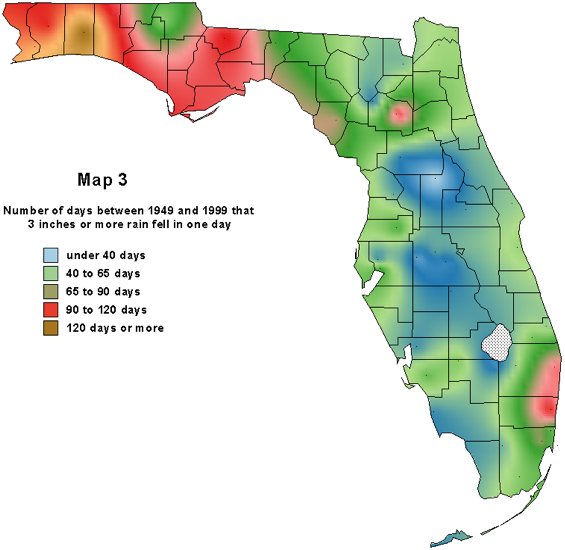
To understand why the clouds open up so frequently, one must look at the unique geography of the state. Florida is essentially a giant pier jutting out into the warm waters of the Atlantic Ocean on the east and the Gulf of Mexico on the west. This positioning creates a meteorological engine that produces rain with remarkable consistency, especially during the summer months.
The Sea Breeze Convergence
The most common cause of rainfall in South Florida and Central Florida is the sea breeze. During the day, the land heats up much faster than the surrounding ocean. As the hot air over the land rises, it creates a vacuum that pulls in cooler, moisture-laden air from both the Atlantic Ocean and the Gulf of Mexico. These two “sea breezes” eventually collide in the middle of the state. This collision, known as convergence, forces the humid air upward, where it cools, condenses, and falls as torrential rain. This is why a tourist sitting on a beach in Fort Lauderdale might see blue skies while a traveler in Orlando is experiencing a thunderstorm.
Tropical Moisture and Humidity
The proximity to the Caribbean and the Bahamas means that the air is constantly saturated with moisture. When you combine this high humidity with the intense tropical sun, you get “convective” rainfall. This is the classic 4:00 PM shower that lasts for thirty minutes and then vanishes, leaving the sun to shine again. These brief interruptions are so predictable that they have become part of the local culture, often referred to as “liquid sunshine” by residents who barely break their stride when the clouds darken.
How Rain Shapes Florida Tourism and Local Activities
The rain doesn’t stop the fun in Florida; it simply redirects it. The local tourism industry is built to be resilient, offering a wealth of activities that thrive even when the weather is less than ideal. Embracing the rain is a key part of the authentic experience.
Adapting Your Theme Park Strategy
In Orlando, home to Walt Disney World Resort and Universal Studios Florida, rain is factored into the operations. While outdoor roller coasters may close during lightning for safety, many of the most popular attractions are housed entirely indoors. Savvy tourists use the rain as an opportunity to head to indoor shows or “dark rides” like those found at SeaWorld Orlando.
A local tip for visiting these parks is to carry a lightweight poncho rather than an umbrella. Umbrellas are difficult to navigate in crowds and are often prohibited on rides. When the rain starts, the crowds often thin out as less-prepared visitors head for the exits. This is the perfect time for the prepared tourist to enjoy shorter wait times at indoor landmarks.
The Importance of the Afternoon “Siesta”
In cities like Tampa and Miami, the mid-afternoon rain has influenced a culture of late-afternoon relaxation. Many locals choose this window to enjoy a long lunch or visit a café. In Miami, the Vizcaya Museum and Gardens offers a stunning look at historic architecture that remains breathtaking even under a grey sky. Similarly, exploring the history of St. Augustine, the oldest city in the United States, involves many indoor stops at places like the Castillo de San Marcos where thick stone walls provide shelter from the elements.
Discovering Indoor Landmarks and Cultural Gems
When the rain is set to last for more than just an hour, Florida offers a diverse array of world-class museums and indoor activities that are worth a visit regardless of the weather.
Artistic Retreats on the Gulf Coast
On the west coast, specifically in St. Petersburg, the Salvador Dali Museum provides an incredible indoor experience. The building itself is a work of art, designed to withstand major storms, and its collection of surrealist masterpieces provides hours of engagement. Further south in Sarasota, the Ringling Museum offers a vast complex of art and history that can easily occupy a rainy afternoon.
Science and Space Exploration
Rainy weather is the perfect excuse to drive to the Kennedy Space Center on the Atlantic Coast. While rocket launches are weather-dependent, the massive visitor complex is filled with indoor hangars housing the Space Shuttle Atlantis and various Saturn V rockets. It is an educational and awe-inspiring way to wait out a storm while learning about the history of the United States space program.
Shopping as a Sport
For those who prefer retail therapy, Florida boasts some of the largest shopping malls in the country. Jacksonville and Naples offer high-end boutiques, but the mega-malls of South Florida are true rainy-day destinations. These spaces are more than just shops; they are climate-controlled hubs of food, entertainment, and culture.
Nature’s Perspective: The Benefits of the Wet Season
While tourists might see rain as a hurdle, the natural world in Florida sees it as lifeblood. The state’s unique ecosystems, such as the Everglades National Park, depend on heavy seasonal rainfall to maintain their delicate balance.
The Everglades Water Cycle
The “River of Grass” is not a stagnant swamp but a slow-moving river that flows from the Kissimmee River down to Florida Bay. Without the heavy summer rains, this UNESCO World Heritage site would dry up, threatening the habitat of alligators, manatees, and panthers. Visiting Everglades National Park during the rainy season offers a lush, vibrant view of the landscape that winter visitors miss, though it does require a good pair of waterproof boots and plenty of insect repellent.
Coastal Protection and Marine Life
The rain also plays a role in the health of the coral reefs in Biscayne National Park and the Dry Tortugas National Park. Freshwater runoff affects the salinity levels of the coastal waters, which in turn influences the migratory patterns of fish and the growth of marine flora. For tourists interested in eco-tourism, understanding this cycle adds a layer of depth to every snorkeling trip or boat tour.
Practical Tips for Your Florida Visit
To make the most of a trip to the Florida Keys or the northern reaches of Pensacola, travelers should adopt the local mindset regarding weather.
- Timing is Everything: During the summer, try to plan your outdoor activities like beach trips to Sanibel Island for the morning. The probability of rain increases significantly after 2:00 PM.
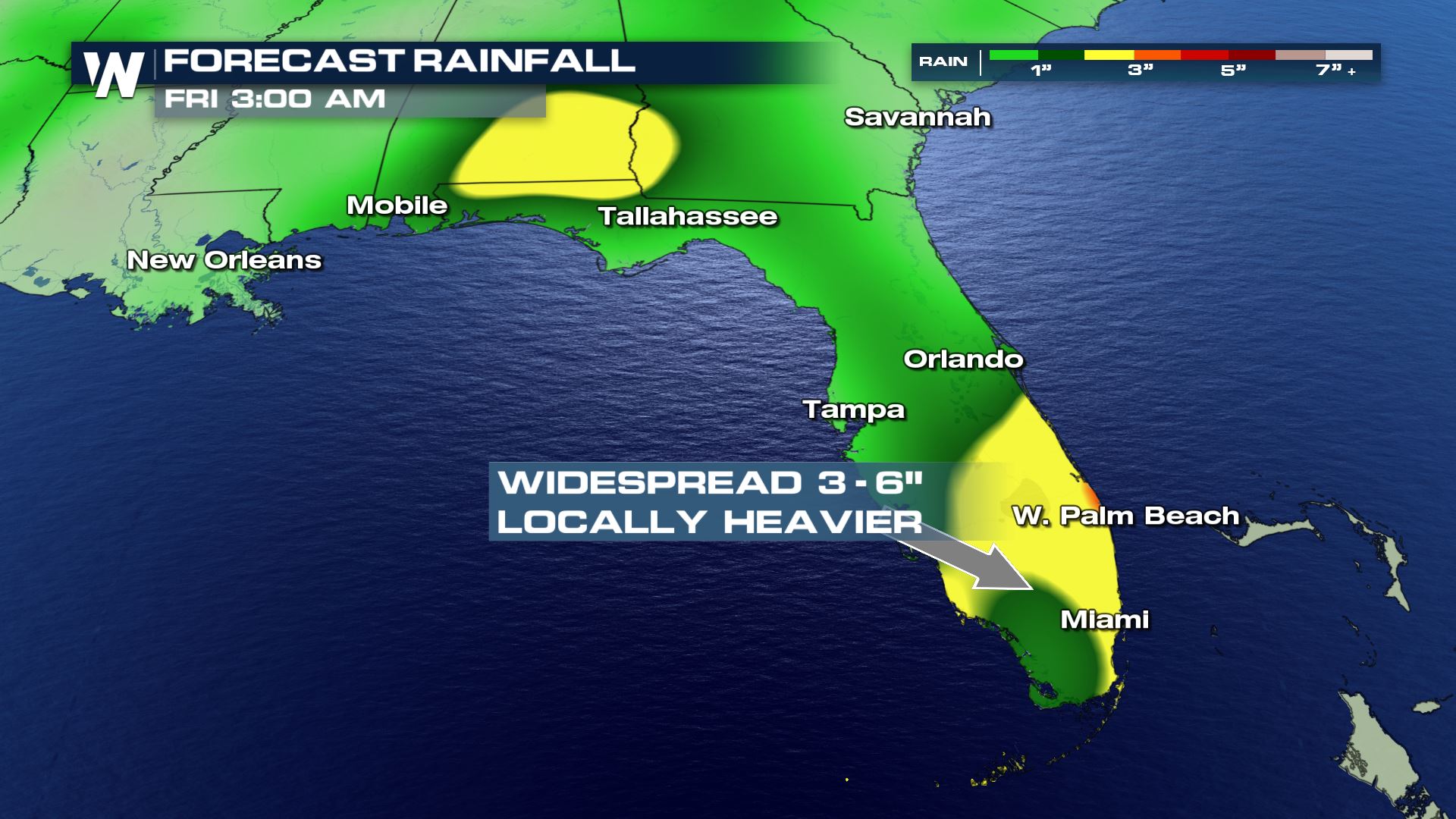
- Embrace the Apps: Use real-time radar apps. Unlike other regions where rain might be predicted for “the whole day,” Florida rain is often localized. It might be pouring in Key West but perfectly sunny five miles away.
- Driving Precautions: Rain in the United States south can be blinding. If you are driving a rental car on the I-4 or I-95 during a downpour, remember to turn on your headlights but avoid using hazard lights unless you are pulled over, as it can confuse other drivers.
- Footwear Matters: Swap leather shoes for high-quality waterproof sandals or flip-flops. Puddles form quickly, and nothing ruins a day of sightseeing faster than wet socks.
Rain is an inseparable part of the Florida experience. It is the reason for the state’s lush tropical greenery, its thriving agriculture, and its unique afternoon culture. By understanding that the rain is usually brief and serves as a cooling break from the humidity, tourists can learn to love the “Liquid Sunshine” just as much as the residents do. Whether you are seeking the thrill of Universal Studios Florida or the serenity of Key West, the rain is simply a signal to slow down, duck into a local museum, and enjoy a different side of this vibrant destination.
LifeOutOfTheBox is a participant in the Amazon Services LLC Associates Program, an affiliate advertising program designed to provide a means for sites to earn advertising fees by advertising and linking to Amazon.com. Amazon, the Amazon logo, AmazonSupply, and the AmazonSupply logo are trademarks of Amazon.com, Inc. or its affiliates. As an Amazon Associate we earn affiliate commissions from qualifying purchases.