
The Big Island of Hawaii is a destination that feels like a world unto itself. Often confused with the state as a whole, the island—officially named Hawaii—is the largest and youngest landmass in the Hawaiian Archipelago. For those planning their first excursion to the Pacific Ocean, understanding the geography of this massive volcanic land is the first step toward a successful journey.
Geographical Positioning and Scale
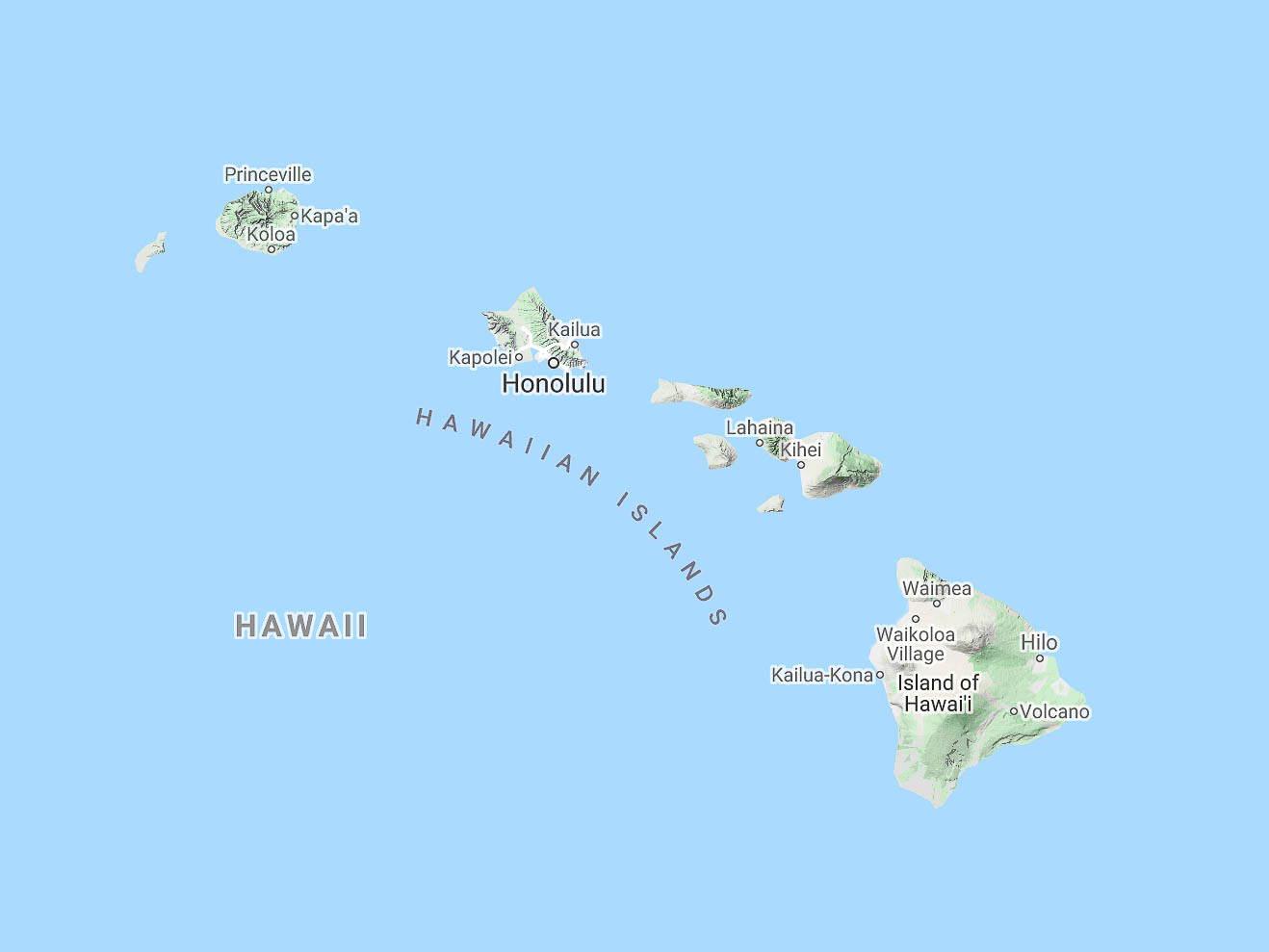
The Big Island is situated at the southeastern end of the Hawaiian Islands chain. It serves as the terminus of this volcanic hot spot, marking it as the most geologically active and geographically diverse island in the region.
Why the Name “Big Island”?
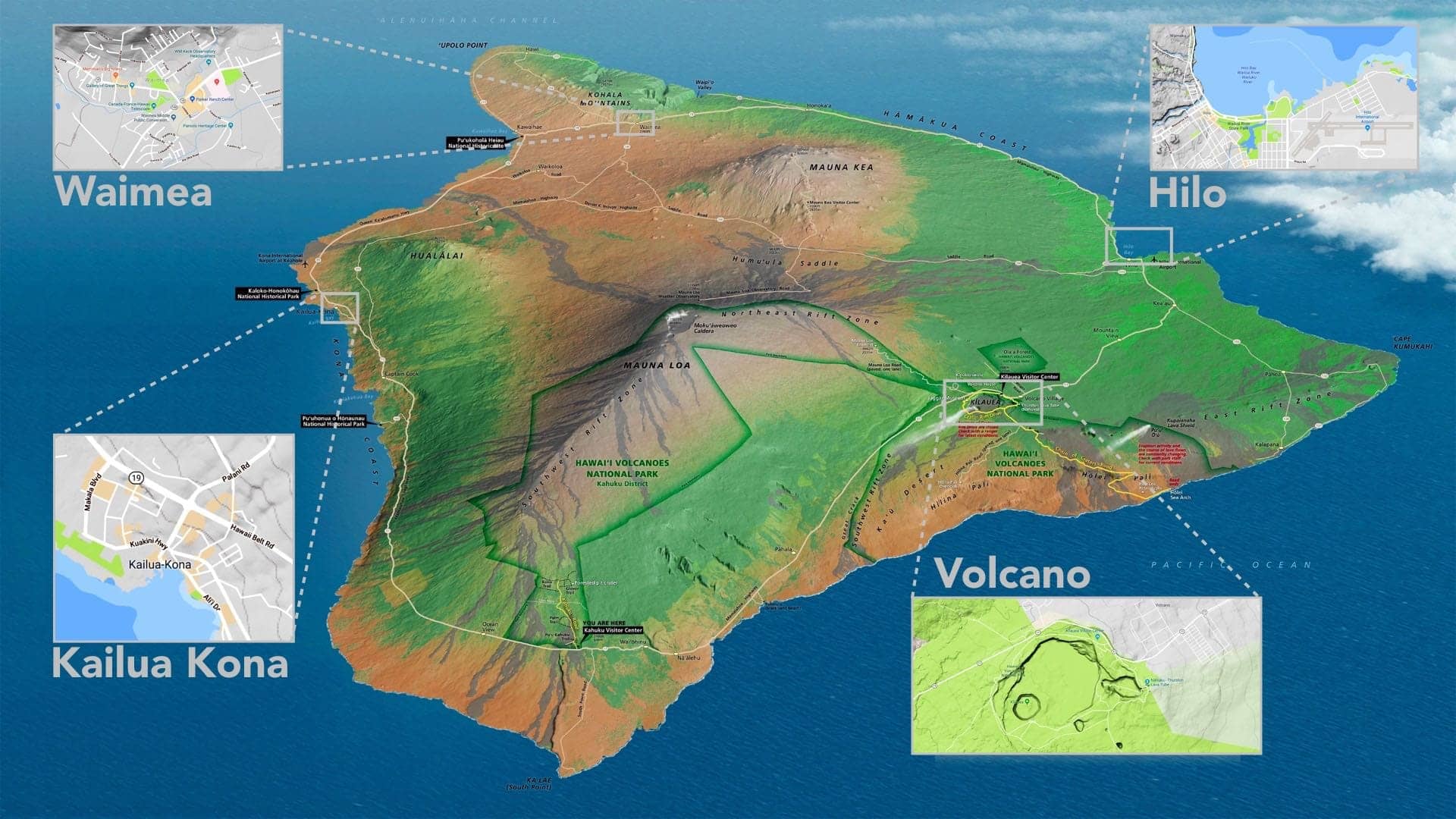
The name is not merely a moniker; it is an understatement. Spanning approximately 4,028 square miles, the island is larger than all of the other Hawaiian Islands combined. Its immense size is what necessitated the nickname “Big Island” to distinguish the landmass from the name of the state itself. Because of its sheer volume, the island encompasses eleven of the world’s thirteen climate zones, ranging from lush tropical rainforests to arid volcanic deserts and snow-capped alpine peaks.
Proximity to Other Islands
While the Big Island stands apart due to its size, it is part of a larger cluster. To the northwest, travelers will find Maui, Lanai, Molokai, Oahu, and Kauai. The Alenuihaha Channel separates the Big Island from Maui, a stretch of water known for its rugged conditions and stunning views.
Navigating the Two Main Districts: Hilo and Kona
When visitors ask, “Where should I stay?” they are usually choosing between the two primary hubs of the island. Because the Big Island is so vast, its two sides offer entirely different experiences shaped by their distinct climates and topographies.
Hilo: The Lush Eastern Windward Side
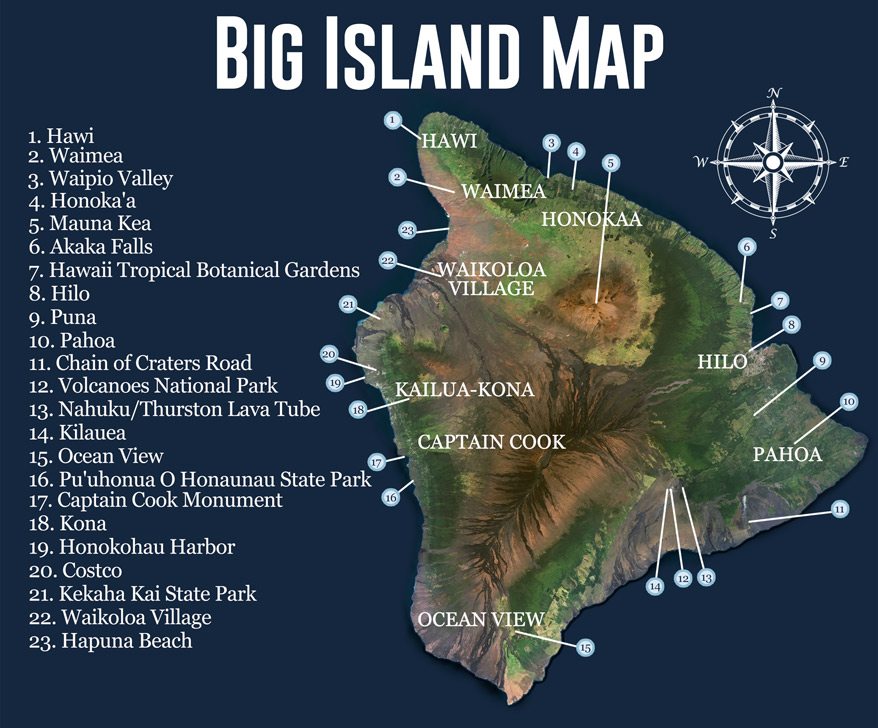
Hilo is the county seat and the primary city on the windward side of the island. It is renowned for its abundant rainfall, which feeds the dramatic Akaka Falls and the tropical foliage found throughout Hawaii Tropical Botanical Garden. If you find yourself on the eastern shore, expect misty mornings, vibrant greenery, and a slower, more authentic pace of life. Hilo International Airport serves as the gateway to this lush region, making it an ideal starting point for those interested in visiting Volcanoes National Park.
Kona: The Sunny Western Leeward Side
On the opposite side of the island lies the Kona Coast. Characterized by its dry, sun-drenched climate and rugged lava fields, Kona is the tourist heartbeat of the island. It is here that you find the best snorkeling, white sand beaches like Hapuna Beach, and world-famous Kona Coffee plantations. Ellison Onizuka Kona International Airport provides convenient access for visitors looking to spend their days lounging by the ocean or engaging in high-end water sports.
Natural Landmarks and Must-Visit Regions
The geography of the Big Island is defined by its five shield volcanoes: Mauna Loa, Mauna Kea, Hualalai, Kohala, and Kilauea. These features do not just sit on the landscape; they define the very experience of visiting the island.
The Majestic Summits
Mauna Kea is a focal point for those seeking adventure. It is the tallest mountain in the world when measured from its base on the Pacific Ocean floor. At its summit, the Mauna Kea Observatory offers some of the clearest stargazing on the planet. Conversely, Mauna Loa stands as the largest subaerial volcano in the world, a testament to the ongoing geological processes that continue to expand the island’s coastline.
The Fire of Kilauea
Located within Hawaii Volcanoes National Park, Kilauea remains one of the most active volcanoes on Earth. Watching the interaction between molten lava and the Pacific Ocean is a once-in-a-lifetime experience. The park itself is a massive wilderness area where visitors can hike through steam vents, explore the Thurston Lava Tube, and observe the dramatic transformation of the earth’s crust.
The Northern Kohala Coast
For a different perspective on the island, head to the Kohala District. This northern tip features the Pololu Valley, where dramatic cliffs drop sharply into the sea. The region is steeped in history, serving as the birthplace of King Kamehameha I, who unified the islands into a single kingdom. Visiting the Puukohola Heiau provides a profound look into the cultural heritage and spiritual history of the Hawaiian Islands.
Traveling Across the Island: Essential Tips
Because of the massive scale of the Big Island, travel between regions requires significant time. Driving from Kona to Hilo takes roughly 1.5 to 2 hours via Saddle Road, a highway that traverses the high-altitude plateau between Mauna Kea and Mauna Loa.
Modes of Transportation
Car rental is strongly recommended for anyone visiting the Big Island. Public transportation is limited, and the island’s most beautiful spots, such as Waipio Valley, are best accessed by personal vehicle. When driving, always remain mindful of the changing terrain; you may start your morning in the sunny, dry Kona Coast and end it in the rainy, lush rainforests near Hilo.
Climate Considerations
The sheer elevation of the interior mountains means that you should pack for various weather conditions. While beachwear is standard for the coast, the summit of Mauna Kea can reach near-freezing temperatures, even in the middle of a tropical summer. Preparing for these rapid shifts in climate is the mark of a seasoned traveler.
The Big Island is truly a destination that rewards curiosity. Whether you are seeking the tranquility of the Hilo waterfalls, the historic significance of the Kohala District, or the sun-soaked luxury of the Kona Coast, knowing where you are and how to navigate this giant landmass is the foundation of a trip to remember. From the Pacific Ocean beaches to the Volcanoes National Park peaks, the island invites you to explore its vast, untamed beauty.
LifeOutOfTheBox is a participant in the Amazon Services LLC Associates Program, an affiliate advertising program designed to provide a means for sites to earn advertising fees by advertising and linking to Amazon.com. Amazon, the Amazon logo, AmazonSupply, and the AmazonSupply logo are trademarks of Amazon.com, Inc. or its affiliates. As an Amazon Associate we earn affiliate commissions from qualifying purchases.