
When planning a trip across the United States, finding reliable platforms to secure your stay is paramount. With hundreds of online travel agencies, aggregator websites, and direct booking channels available, travelers are frequently overwhelmed. One platform that often catches the eye of budget-conscious explorers searching for domestic accommodation is Hotels In America. However, the pressing question for many prospective guests remains: is Hotels In America a legitimate booking site, or should you steer clear to protect your travel funds and personal information?
Navigating the digital landscape of travel reservations requires a discerning eye. Third-party booking sites have revolutionized how we plan vacations in major hubs like New York City, Los Angeles, and Chicago, offering steep discounts and convenient comparison tools. Yet, the proliferation of lesser-known domains raises valid concerns regarding authenticity, customer service reliability, and hidden fees. This comprehensive analysis delves into the mechanics of the platform, examining its operational structure, user feedback, and best practices for safe online lodging reservations.

Understanding the Landscape of Online Accommodation Platforms
The digital booking ecosystem is vast, dominated by industry giants like Booking.com, Expedia, and Hotels.com. These household names have spent decades building trust, securing vast inventories, and establishing robust customer support networks. In contrast, smaller or white-label booking sites like Hotels In America often operate by aggregating inventory through larger wholesale suppliers or global distribution systems (GDS).
How Third-Party Booking Engines Function
To determine legitimacy, it helps to understand how these websites operate. Most third-party booking portals do not own or manage any physical rooms. Instead, they act as intermediaries between the traveler and the property—or more commonly, between the traveler and a primary wholesaler.
- Wholesale Aggregation: Sites display rates sourced from massive inventory pools, sometimes bundling rooms to offer enticing discounts.
- Affiliate Networks: Many domains are front-ends for established travel networks, meaning your reservation is ultimately processed by a larger, recognized travel corporation.
- Direct Property Contracts: In some cases, platforms establish direct relationships with independent motels, inns, and boutique stays across states like Florida or California.
While the operational model itself is standard practice in the travel industry, the lack of transparency on smaller websites can create confusion. If a consumer books a stay at a well-known establishment like the The Plaza Hotel through an unfamiliar portal, discrepancies can occasionally arise upon check-in if the third-party transmission fails.
Evaluating the Legitimacy and Trustworthiness of Hotels In America
When evaluating whether a specific portal is a scam or a legitimate business, several indicators must be scrutinized, including domain age, security protocols, user reviews, and corporate transparency.
Security and Data Protection
A baseline requirement for any legitimate e-commerce or travel booking site is robust digital security.
- SSL Certificates: Legitimate sites utilize HTTPS protocols, ensuring that your credit card details and personal information are encrypted during transmission.
- Payment Gateways: Trustworthy platforms integrate with recognized payment processors (such as Visa, Mastercard, PayPal, or Stripe) rather than demanding unconventional payment methods like wire transfers or cryptocurrency.
Customer Feedback and Dispute Resolution
The true test of any booking engine lies in how it handles customer service when things go wrong. Travel disruptions—such as flight cancellations, sudden itinerary changes, or property overbooking—are inevitable.
- Positive Indicators: Legitimate platforms provide clear cancellation policies, accessible customer support phone numbers, live chat features, and transparent refund mechanisms.
- Red Flags: Numerous reports of unresponsive support teams, unhonored reservations at check-in, and unexpected non-refundable fees strongly suggest a platform failing to meet professional hospitality standards.
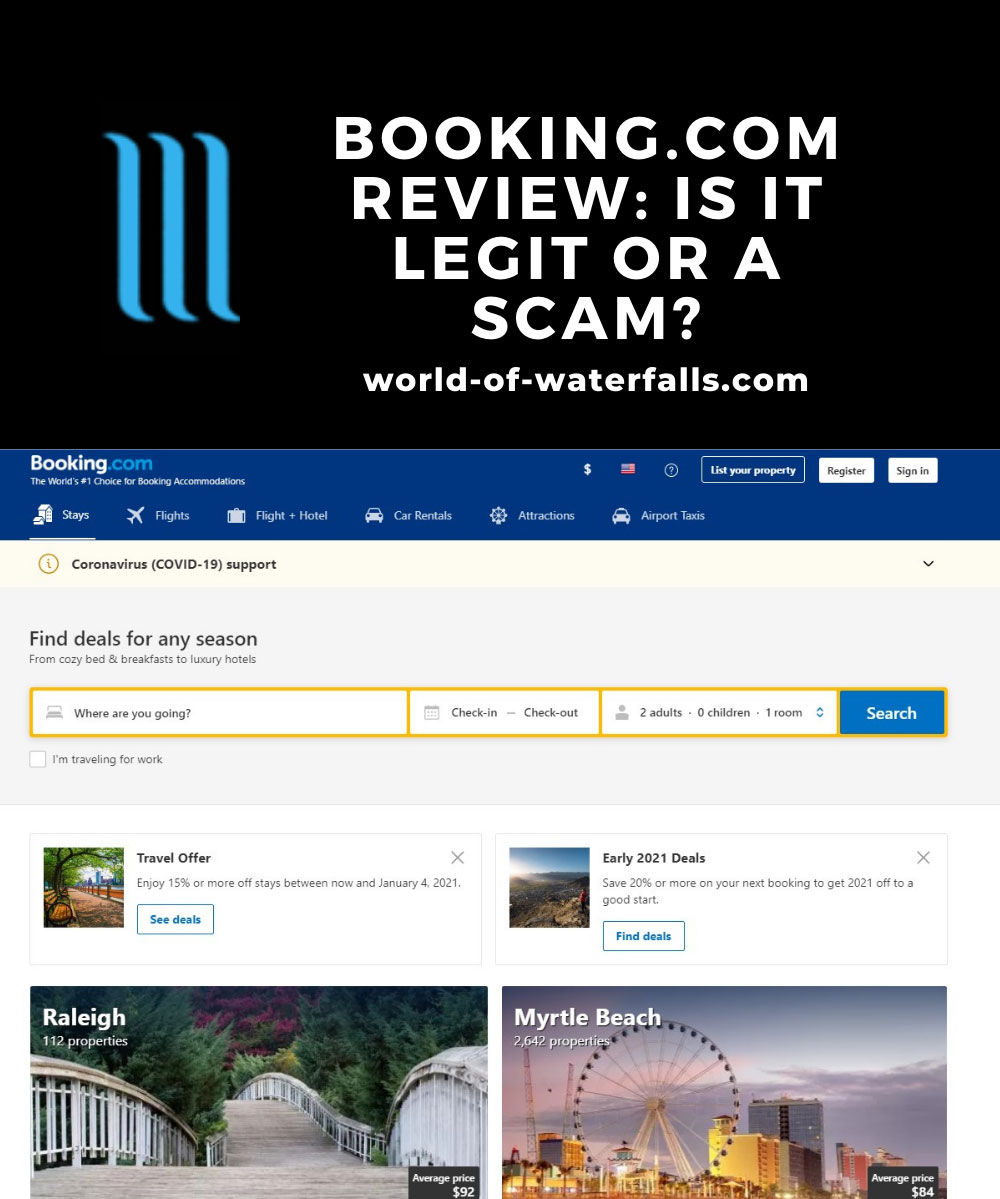
When searching for independent reviews of Hotels In America, travelers often find mixed experiences, which is typical of many secondary aggregator sites. While many customers successfully secure standard rooms without incident, those who encounter issues frequently cite the difficulty of communicating with customer service representatives to secure refunds or modifications.
Pros and Nooks of Using Lesser-Known Booking Portals
Opting to reserve your lodging through specialized or lesser-known domains comes with a distinct set of advantages and potential pitfalls that every traveler should weigh carefully.
The Benefits
- Competitive Pricing: Smaller sites sometimes slash their commission margins or offer unique promotional codes to attract users away from dominant industry giants.
- Niche Inventories: They may feature unique independent properties, bed-and-breakfasts, or rustic cabins in rural destinations like Yellowstone National Park that are less visible on mainstream apps.
The Risks
- Customer Support Bottlenecks: If your reservation is mishandled, the hotel property will often redirect you back to the third-party booking agent, leaving you stuck in a frustrating communication loop.
- Hidden Fees: Some aggregator sites display base rates that exclude resort fees, local taxes, or cleaning surcharges, leading to an unwelcome surprise at the front desk.
- Cancellation Complications: Securing a prompt refund for canceled travel plans can be arduous when dealing with decentralized support structures.
Best Practices for Safe and Secure Hotel Reservations
Regardless of whether you choose to book through Hotels In America, major OTAs, or directly with a property like The Bellagio in [Las Vegas](https://lifeoutofthebox.com/las Vegas), adhering to smart booking habits protects your investment and ensures a seamless travel experience.
1. Cross-Reference Rates
Before finalizing a reservation on an unfamiliar site, always open a separate browser tab and check the official website of the hotel or resort. Direct booking often guarantees the best rate, loyalty points, and more flexible cancellation terms. If the price difference on the third-party site is negligible, booking directly with the property is almost always the safer route.
2. Read the Fine Print on Policies
Never blindly check the “I agree to the terms and conditions” box. Take a few minutes to review:
- Cancellation deadlines and penalties.
- Whether the rate is strictly non-refundable.
- Inclusion of breakfast, parking, and resort amenities.
3. Contact the Property Directly
Once you receive your booking confirmation from a third-party site, consider placing a quick phone call or sending an email directly to the front desk of the destination hotel. Confirming that your reservation is active in their internal system provides ultimate peace of mind before you pack your bags and head out on your journey.

4. Use Secure Payment Methods
Always pay for travel arrangements using a credit card rather than a debit card. Credit cards offer superior consumer protection under federal laws, making it significantly easier to dispute fraudulent charges or recover funds if a booking service fails to deliver the promised accommodation.
By maintaining a cautious, informed approach and verifying your reservations directly with properties, you can explore the diverse landscapes, vibrant cities, and iconic landmarks of the country with complete confidence.
LifeOutOfTheBox is a participant in the Amazon Services LLC Associates Program, an affiliate advertising program designed to provide a means for sites to earn advertising fees by advertising and linking to Amazon.com. Amazon, the Amazon logo, AmazonSupply, and the AmazonSupply logo are trademarks of Amazon.com, Inc. or its affiliates. As an Amazon Associate we earn affiliate commissions from qualifying purchases.