
The allure of the Pacific archipelago has long captivated travelers from every corner of the globe. As a premier destination in the United States, Hawaii serves as a melting pot of demographics, drawing a diverse array of visitors who each seek their own slice of paradise. Understanding who flies to these islands requires looking beyond the postcard images and delving into the travel motivations of the millions who cross the Pacific annually. From adventure seekers landing in Oahu to honeymooners retreating to the cliffs of Kauai, the profile of the Hawaiian traveler is as varied as the landscape itself.
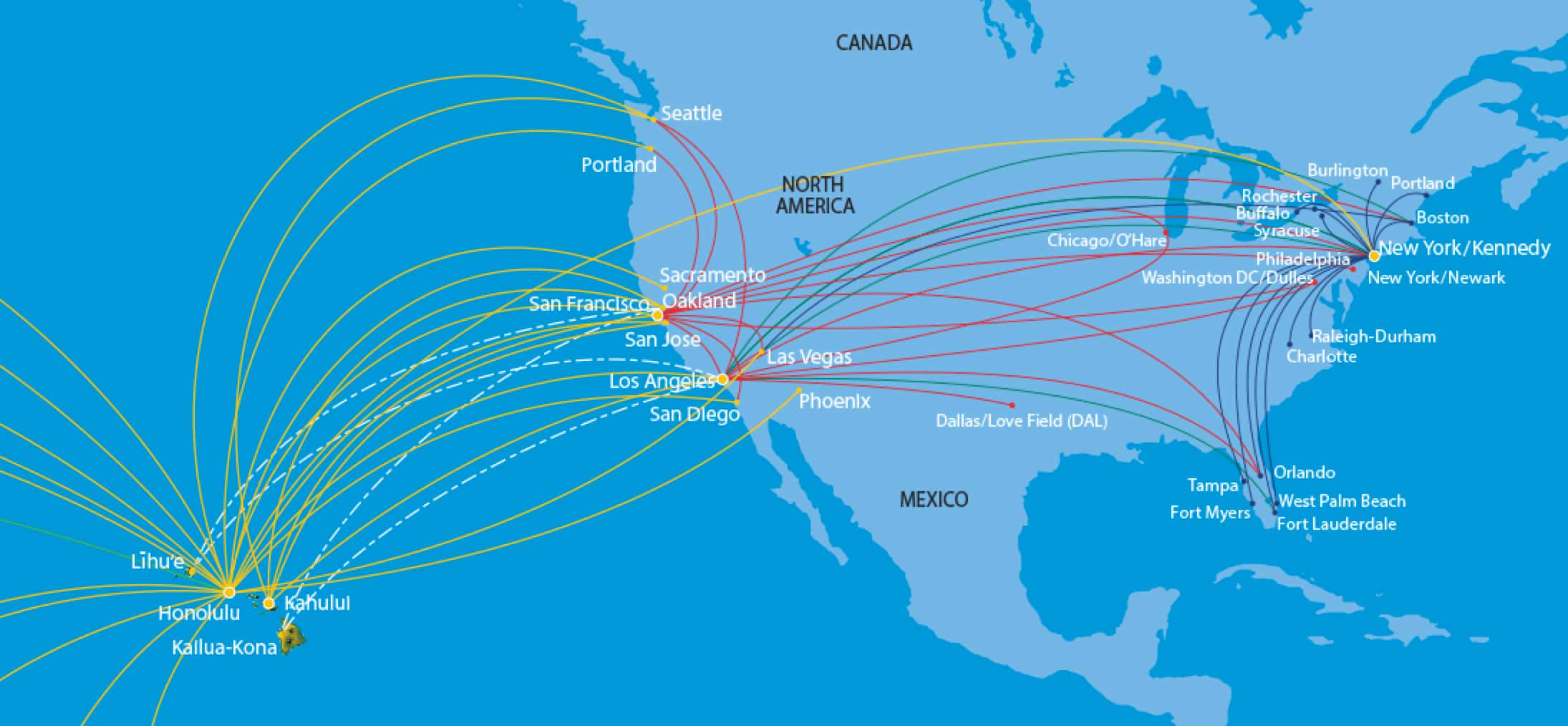
The Dominant Demographic: West Coast and Domestic Travelers
The vast majority of visitors to Hawaii arrive from the continental United States. Because of the relative ease of access and the lack of international travel requirements for American citizens, domestic tourism acts as the primary lifeblood of the local economy.
California as the Gateway
Historically, the largest segment of visitors originates from California. The geographic proximity—specifically from hubs like Los Angeles and San Francisco—makes the islands a natural extension of the West Coast lifestyle. For these travelers, Hawaii functions as a sophisticated weekend getaway or an extended annual retreat. The flight time from these hubs is manageable, allowing families to reach Honolulu in roughly five to six hours, which is a decisive factor for travelers with young children.
Multi-Generational Family Travelers
A significant portion of the domestic market consists of multi-generational families. These groups often prioritize resorts and organized tourism activities, seeking safe, predictable, and high-quality experiences. You will frequently find these families flocking to Waikiki Beach, where the infrastructure is perfectly calibrated for large groups, or exploring the cultural exhibits at the Polynesian Cultural Center. These travelers prioritize convenience, looking for direct flights into Daniel K. Inouye International Airport to minimize transit time.
The International Market and the Global Appeal
While domestic tourists dominate, the international sector is a sophisticated demographic that keeps the tourism industry thriving across all seasons. These travelers often arrive with different motivations, ranging from extended vacation stays to specialized cultural exploration.
Japanese Tourism and Historical Ties
For decades, Japan has maintained a profound cultural and economic connection with Hawaii. Japanese tourists often favor the shopping districts and the high-end dining experiences found in Honolulu. This segment of travelers is characterized by an appreciation for history, often visiting Pearl Harbor or the USS Arizona Memorial to pay respects, alongside a deep interest in luxury retail and high-service hospitality. Their arrival in Hawaii is often facilitated by major carriers that offer specialized service, catering to the expectations of meticulous travel planning.

The Emerging Market from Australia and Canada
In recent years, Australia and Canada have become increasingly important sources of long-haul visitors. These travelers tend to view Hawaii as a “bucket list” destination, often choosing to stay for 10 to 14 days rather than a brief weekend. They are more likely to island-hop, spending time in Maui to witness the sunrise at Haleakala National Park or exploring the volcanic landscapes of the Big Island.
The Adventurers and Nature Enthusiasts
Beyond the families and the luxury shoppers lies a significant segment of travelers driven by the environment. This group is less concerned with resort amenities and more focused on the raw, untamed beauty of the Pacific.
Hiking and Volcanic Exploration
Those who fly to Hawaii for nature are often drawn to Hawaii Volcanoes National Park. These travelers arrive with hiking boots in hand, ready to traverse lava fields and rainforest trails. They are the demographic most likely to book small, locally-owned accommodations rather than large-scale hotel chains. They seek authentic interactions with the land and are often seen exploring the remote corners of Molokai or the rugged northern coast of Kauai.
The Surfing and Water Sports Community
Hawaii remains the spiritual home of surfing. Athletes and enthusiasts from around the world fly to the North Shore of Oahu to experience the legendary swells of Banzai Pipeline and Waimea Bay. This demographic brings a youthful energy and a specific set of requirements, often requiring space for equipment and a desire to be near the coast at all times. They represent a transient population that moves with the surf seasons, providing a steady influx of visitors even during off-peak times of the year.
The Business and MICE (Meetings, Incentives, Conferences, and Exhibitions) Traveler
Often overlooked, the business sector makes up a consistent share of the aviation traffic to Hawaii. The state serves as a premier venue for corporate retreats and international conferences.
Convention-Driven Tourism
The Hawaii Convention Center acts as a magnet for professionals. This demographic often enjoys a “bleisure” experience—blending business with leisure. These travelers typically stay in the high-end hotels surrounding Waikiki, utilizing their downtime to visit Diamond Head or take a quick snorkeling trip to Hanauma Bay. Because they are often on corporate budgets, they contribute significantly to the high-end culinary and hospitality sectors, frequenting award-winning restaurants and high-service spas.
The “Digital Nomad” Shift
Following global shifts in remote work culture, a new type of professional has emerged in Hawaii. Known as digital nomads, these individuals fly into the islands for longer durations—sometimes weeks or months—to work remotely. They are reshaping the market by seeking out accommodations that offer reliable high-speed internet and quiet work environments. This segment is less tied to the traditional tourist season, helping to smooth out the fluctuations in demand for flights and lodging throughout the calendar year.

Summary of Traveler Motivations
Ultimately, the question of who flies to Hawaii does not yield a single answer. It is a mosaic of different motivations and backgrounds. Whether it is a family from California seeking sun, a couple from Japan celebrating a milestone, an athlete chasing the waves on Oahu, or a professional attending a convention at the Hawaii Convention Center, each visitor plays a role in the ongoing story of this island chain. The diverse nature of these travelers ensures that Hawaii remains a dynamic, vibrant, and multifaceted global destination, constantly evolving to meet the needs of those who arrive on its shores.
LifeOutOfTheBox is a participant in the Amazon Services LLC Associates Program, an affiliate advertising program designed to provide a means for sites to earn advertising fees by advertising and linking to Amazon.com. Amazon, the Amazon logo, AmazonSupply, and the AmazonSupply logo are trademarks of Amazon.com, Inc. or its affiliates. As an Amazon Associate we earn affiliate commissions from qualifying purchases.