
The annexation of Hawaii by the United States in 1898 stands as one of the most significant turning points in the history of the Pacific Ocean. While often viewed today as a premier tropical paradise and a hub for global tourism, Hawaii was once a sovereign Kingdom of Hawaii with a complex geopolitical identity. Understanding why the United States sought to bring these islands into its fold requires an examination of economic interests, military strategy, and the shifting power dynamics of the late 19th century.
The Economic Engine: Sugar and Trade
At the heart of the American interest in Hawaii lay the lucrative sugar industry. By the mid-1800s, American businessmen—many of whom were descendants of missionaries—had established sprawling sugar plantations across the islands. These plantations were the primary drivers of the Hawaiian economy and relied heavily on duty-free access to the American market.
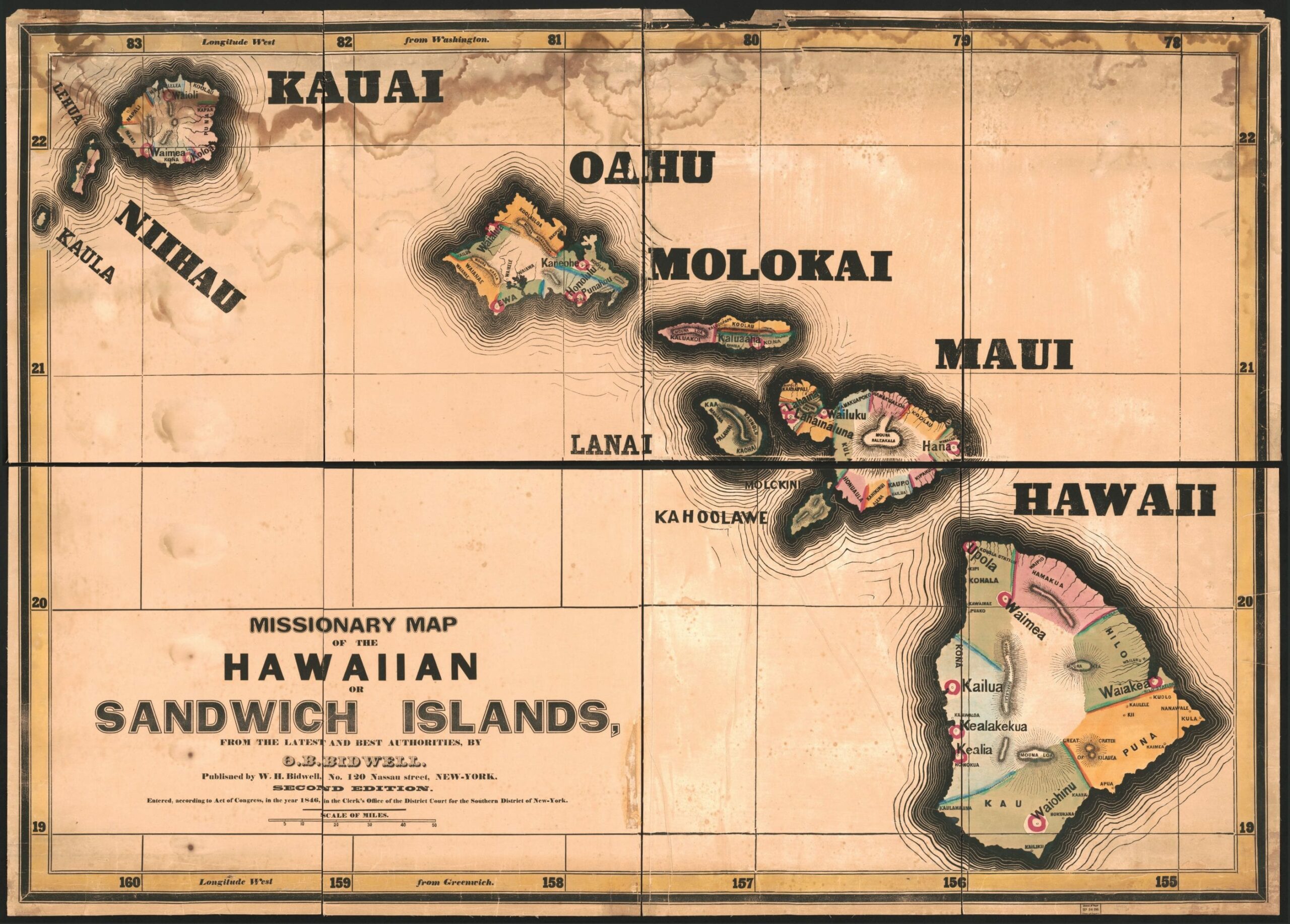
The Reciprocity Treaty of 1875
In 1875, the Kingdom of Hawaii signed a Reciprocity Treaty with the United States. This agreement allowed Hawaiian sugar to enter the United States tax-free. The treaty transformed the local economy, fueling a massive boom in production. However, it also tethered the Kingdom of Hawaii increasingly to American economic policy. When the McKinley Tariff was passed in 1890, it effectively eliminated the special status of Hawaiian sugar, threatening the livelihoods of plantation owners. Annexation, from their perspective, became the only way to remove these trade barriers permanently and secure their investments.
Military Strategy and the Protection of the Pacific
Beyond the economic allure of sugar, the United States military recognized that Hawaii served as a vital strategic asset. As the United States expanded its influence beyond the North American continent, its leaders looked toward the Pacific Ocean as a new theater of naval dominance.
The Rise of Pearl Harbor
Naval strategists, most notably Alfred Thayer Mahan, argued that a powerful nation must possess overseas bases to protect its commercial interests and supply its fleet. Pearl Harbor was identified early on as an ideal site for a deep-water naval base. In 1887, the United States secured the exclusive right to use Pearl Harbor as a coaling station for its ships. The desire to fortify and permanently secure this location against foreign rivals, such as Great Britain or Japan, became a primary motivation for formalizing control through annexation.

The Political Landscape: A Kingdom in Transition
The internal politics of Hawaii provided the catalyst for the United States to intervene. Under the leadership of Queen Liliuokalani, the Hawaiian monarchy sought to restore power to the throne and strengthen the rights of indigenous Hawaiians, a move that directly threatened the influence of the American-dominated business elite.
The Overthrow and the Provisional Government
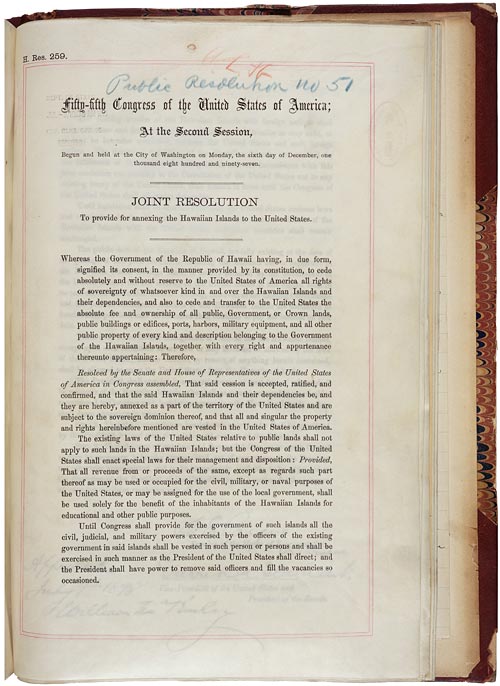
In 1893, a small group of businessmen and sugar planters, supported by the presence of United States Marines, orchestrated a coup against the Queen of Hawaii. They established a Provisional Government and immediately petitioned for annexation. While President Grover Cleveland initially rejected the request—calling the overthrow an illegal act—the subsequent rise of President William McKinley and the outbreak of the Spanish-American War shifted the political winds. The United States suddenly saw the islands as an indispensable logistical stopover for its military campaigns in the Philippines.
The Cultural and Geographic Legacy
While annexation was driven by geopolitical and economic cold-calculus, the outcome permanently altered the cultural landscape of Hawaii. The formal transition into a United States Territory and eventually a state meant that the islands were integrated into the broader American cultural and political consciousness.
Landmarks and Modern Identity
Today, the history of this transition is reflected in the diverse landmarks that dot the islands. From the Iolani Palace in Honolulu, which serves as a poignant reminder of the former monarchy, to the military memorials at Pearl Harbor, Hawaii offers travelers a unique opportunity to engage with its layered history. Visitors exploring Oahu or Maui can see how the legacy of the 1898 annexation continues to shape local traditions, land use, and the state’s relationship with the mainland.
- The Influence of Sugar: The transition from agricultural reliance to a tourism-based economy has preserved some historic plantation sites that now serve as centers for cultural education.
- The Strategic Legacy: The continued presence of United States military installations ensures that the islands remain a critical node in Pacific security.
- The Cultural Resilience: Despite the political shifts, the indigenous culture of Hawaii has remained central to the visitor experience, balancing the weight of history with the vibrant life of the islands today.
The annexation was not a singular event born of one motivation, but rather a culmination of industrial ambition, the necessity of naval expansion, and the volatile political climate of the late 19th century. For those who visit Hawaii today, recognizing these roots adds a layer of depth to the experience, transforming a holiday destination into a place where the history of empire and the resilience of a local culture converge. From the quiet shores of Kaua’i to the bustling streets of the state capital, the story of Hawaii is a testament to the complex forces that have defined the modern world.
LifeOutOfTheBox is a participant in the Amazon Services LLC Associates Program, an affiliate advertising program designed to provide a means for sites to earn advertising fees by advertising and linking to Amazon.com. Amazon, the Amazon logo, AmazonSupply, and the AmazonSupply logo are trademarks of Amazon.com, Inc. or its affiliates. As an Amazon Associate we earn affiliate commissions from qualifying purchases.