
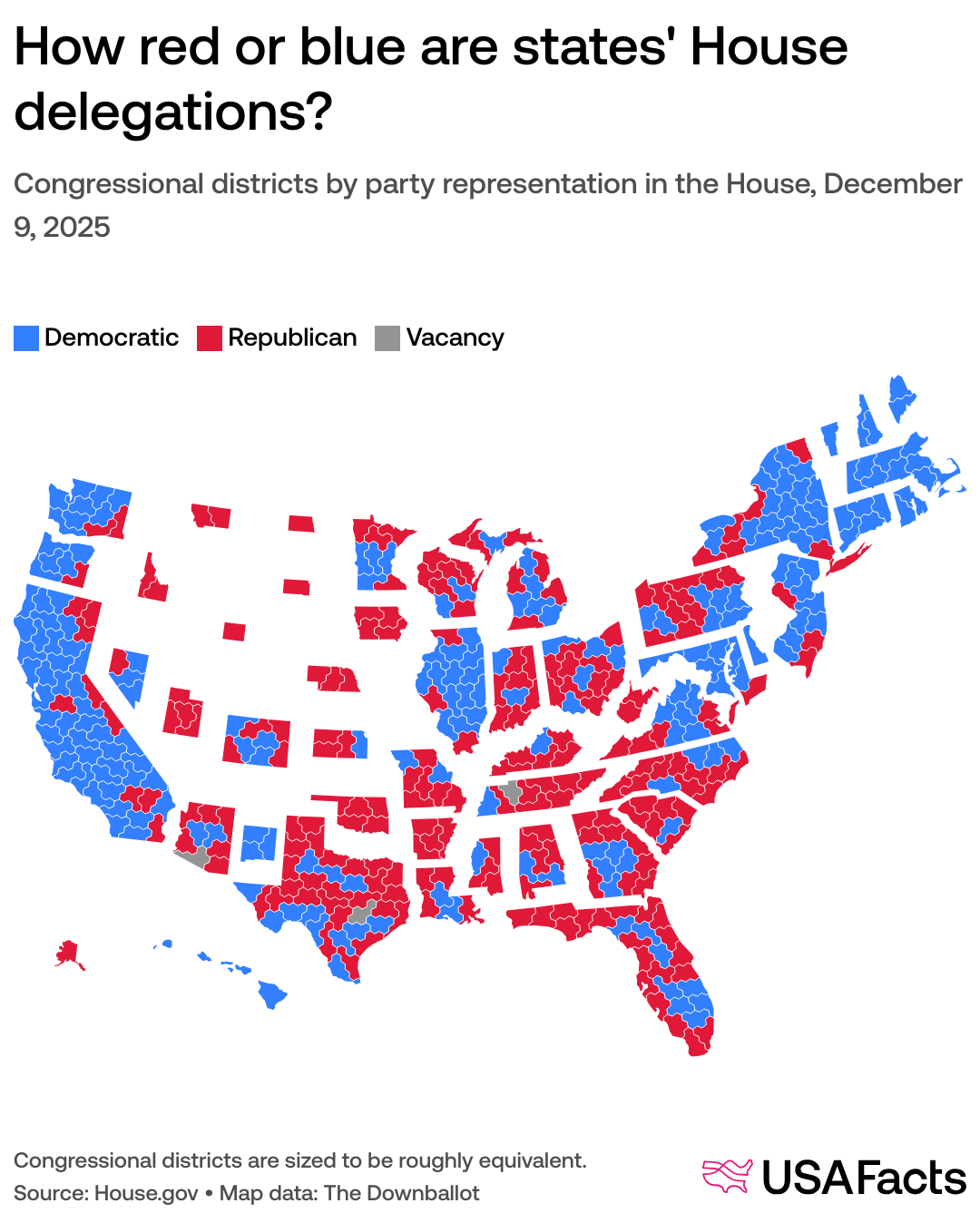
When travelers touch down in Hawaii, they are often struck by more than just the scent of plumeria or the trade winds blowing through Oahu. Beyond the pristine beaches and the towering peaks of Mauna Kea, there is a distinct socio-political landscape that defines these islands as one of the most solidly Democratic regions in the United States. Understanding why this state leans so heavily blue requires a deep dive into the local culture, the legacy of labor movements, and the unique historical context that shapes the identity of the Pacific archipelago.
The Legacy of Labor and the Rise of the Democratic Party
The political identity of Hawaii was not forged overnight; it was the result of a mid-20th-century transformation that redefined the power dynamics of the islands. For decades, the “Big Five” corporations—major sugar and pineapple entities—exerted nearly absolute control over the economic and political life of the islands. The plantation economy created a rigid hierarchy that marginalized the working class, primarily composed of immigrants from Japan, the Philippines, China, and Portugal.

The Great Strike of 1946
The turning point came in the post-World War II era. Returning soldiers, who had fought for democracy abroad, returned home to a system that felt increasingly archaic and oppressive. The 1946 sugar strike, organized by the International Longshore and Warehouse Union, was a watershed moment. It brought together a multi-ethnic coalition of laborers who realized their collective strength. This grassroots solidarity laid the foundation for the Democratic revolution of 1954, where the Democratic Party of Hawaii swept the territorial legislature, effectively ending the dominance of the Republican-aligned oligarchy.
The Institutionalization of Liberal Ideals
Once in power, the Democratic leadership prioritized public education, labor protections, and social welfare programs. This focus cemented a strong bond between the party and the working-class populations of Honolulu and the neighbor islands. Over the decades, these policies have become ingrained in the state’s DNA, creating a political culture that values collective responsibility and social equity, which remain central pillars of the modern Democratic platform in the region.
The Cultural Fabric and Socioeconomic Dynamics
To understand Hawaii’s politics, one must look beyond party platforms and examine the societal values that permeate everyday life in the Aloha State. The concept of “Aloha,” while often marketed to tourists, represents a profound philosophical approach to community and interconnectedness.
Ethnic Diversity and Inclusivity
Hawaii is a “majority-minority” state, with no single ethnic group holding a demographic majority. This inherent diversity naturally fosters a political environment that prizes inclusivity and rejects exclusionary rhetoric. Because the population is so varied, the political discourse tends to focus on multiculturalism and the protection of civil rights. The historical experience of native Hawaiians, who suffered the overthrow of the Kingdom of Hawaii in 1893, also plays a critical role. The movement for sovereignty and the desire to protect indigenous lands and traditions often align with progressive environmental and social policies championed by the left.

Environmental Stewardship
The islands’ reliance on a fragile ecosystem makes climate change and environmental conservation existential issues rather than abstract political topics. From the lush rainforests of Kauai to the volcanic landscapes of the Big Island, the preservation of natural beauty is intrinsic to the local lifestyle. Policies aimed at renewable energy, ocean protection, and sustainable tourism are widely supported by the electorate, aligning closely with national Democratic priorities regarding climate action.
Geographic Isolation and Economic Realities
The unique geography of Hawaii creates a set of challenges that influence how residents view the role of government. Being the most isolated island chain in the world, the cost of living—driven by high import costs for food, fuel, and consumer goods—is significantly higher than on the mainland.
The Role of Government as a Safety Net
When a society faces high costs for basic necessities, the population is generally more inclined to support robust social safety nets. This economic reality has led to broad support for government-subsidized healthcare, affordable housing initiatives, and strong public union protections. Residents rely on the state government to buffer the effects of economic fluctuations and to provide services that ensure a baseline quality of life. This expectation of state intervention contrasts with the “small government” philosophy typically associated with the Republican party, further reinforcing the Democratic leanings of the state.
Tourism and Global Integration
As a global tourism hub, Hawaii maintains deep ties to international markets and cultures. The hospitality industry, which powers much of the economy in areas like Waikiki and Maui, relies on global cooperation and the free movement of people. A political atmosphere that favors international engagement, diversity, and cultural exchange is essential for the prosperity of the tourism sector. Consequently, voters tend to favor candidates who reflect an outward-looking, globally conscious perspective.
The Future of the Aloha State’s Political Identity
As Hawaii moves further into the 21st century, the political landscape is not static. Younger generations and newer arrivals are bringing different priorities to the table, including concerns about economic diversification beyond tourism and the urgent need for sustainable infrastructure.
Maintaining the Balance
Despite the “blue” label, Hawaii’s politics are not a monolith. There is a healthy internal debate between the establishment, more radical progressive wings, and local conservatives, particularly in rural districts where traditional agricultural values remain strong. However, the foundational history of the labor movement, the emphasis on community over individualism, and the reverence for the land ensure that the state remains committed to policies that emphasize equity and environmental protection.
A Reflection of Local Values
Ultimately, the reasons Hawaii is a blue state are deeply rooted in its history of overcoming systemic inequality. The transition from a plantation-based economy to a modern, pluralistic society created a political system that reflects the collective spirit of its residents. Whether walking through the historic streets of Lahaina or observing the bustling governance of the state capital, one senses that the political leanings of the islands are a direct expression of the people who call this place home. The “blue” nature of the state is not merely a choice made at the ballot box, but a continuous commitment to the values of inclusivity, stewardship, and community that have defined these islands for generations. It is a testament to how history, geography, and culture converge to shape the way a society chooses to govern itself in the middle of the vast Pacific Ocean.
LifeOutOfTheBox is a participant in the Amazon Services LLC Associates Program, an affiliate advertising program designed to provide a means for sites to earn advertising fees by advertising and linking to Amazon.com. Amazon, the Amazon logo, AmazonSupply, and the AmazonSupply logo are trademarks of Amazon.com, Inc. or its affiliates. As an Amazon Associate we earn affiliate commissions from qualifying purchases.