
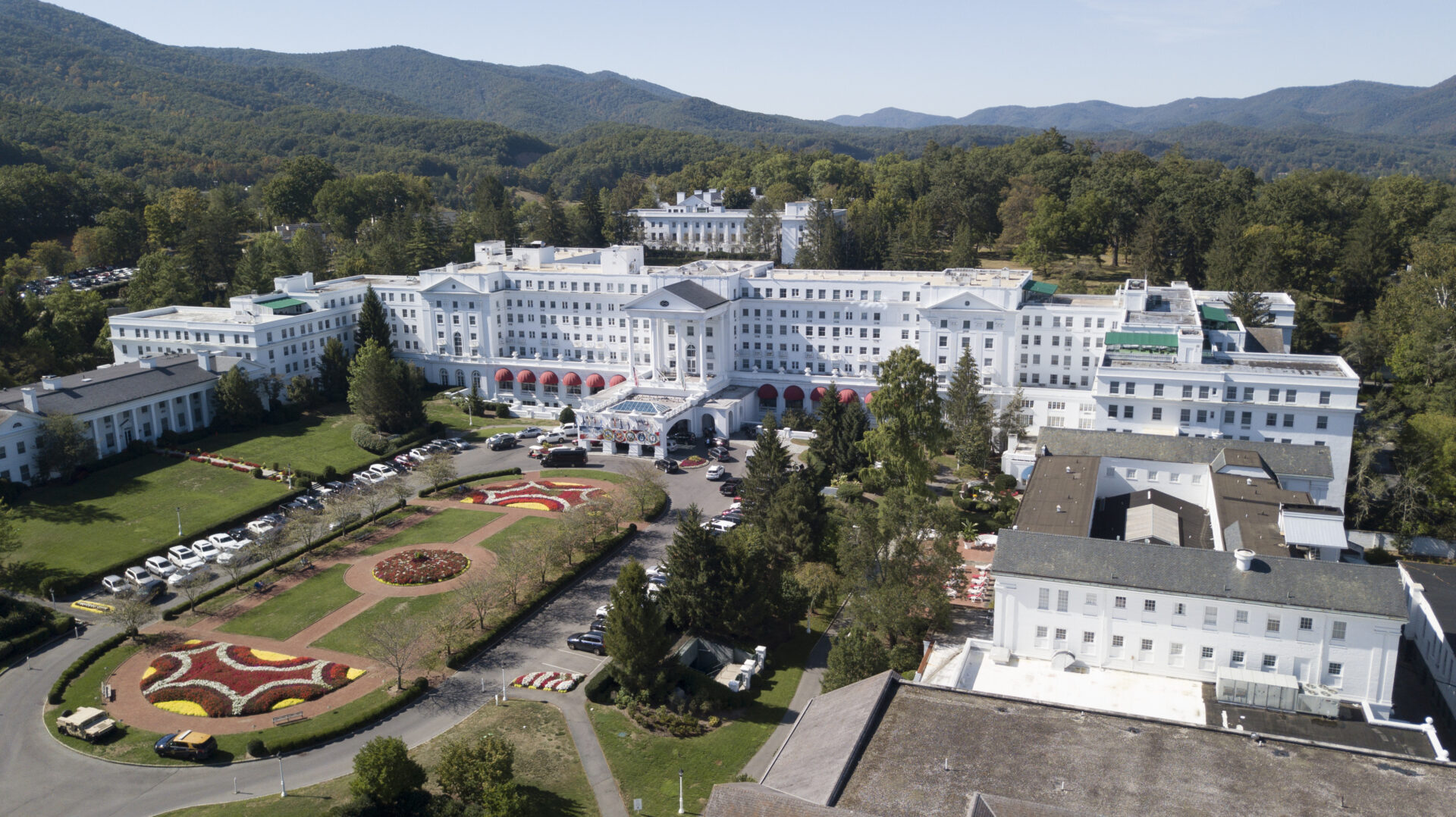
The Greenbrier Hotel stands as one of the most storied properties in the United States. Tucked away in the rolling landscape of White Sulphur Springs, West Virginia, this National Historic Landmark has served as a sanctuary for royalty, presidents, and captains of industry for over two centuries. Yet, beyond its signature Dorothy Draper interiors and the mysterious bunker hidden beneath its grounds, the ownership of this iconic resort has remained a subject of intense public and financial interest.
The Jim Justice Era: A Legacy of Private Ownership
For years, the identity of The Greenbrier has been inextricably linked to Jim Justice. A prominent businessman and the current Governor of West Virginia, Justice purchased the resort in 2009. At the time, the acquisition was viewed as a salvation for the struggling property, which was then owned by the rail giant CSX Corporation.

Rescuing an American Icon
When Justice took the helm, the resort faced significant financial headwinds. CSX had invested heavily in the property, but the operating costs associated with maintaining a massive, historic estate were proving unsustainable. Justice’s acquisition signaled a return to local, hands-on management. Under his stewardship, the resort expanded its profile, introducing major sporting events like the PGA Tour tournament, the A Military Tribute at The Greenbrier, which brought a new generation of travelers to the Allegheny Mountains.
Financial Complexities and Challenges
However, the narrative of ownership grew complicated as Justice’s political career and broader business interests—primarily in coal and agriculture—came under scrutiny. In recent years, the resort has been caught in the crosshairs of various legal and financial disputes involving Justice’s companies. Despite these headlines, the ownership structure remained stable within the Justice Family, even as the resort faced public auctions and foreclosure threats. These events have sparked widespread conversation regarding the future of the property and who holds the ultimate key to its long-term viability.
Navigating the Legacy of CSX Corporation
Before the era of Jim Justice, the history of The Greenbrier was defined by its corporate ownership. The resort, originally known for its mineral springs, evolved through the mid-20th century under the guidance of the Chesapeake and Ohio Railway.
The Railway Connection
The importance of rail access cannot be overstated in the history of this resort. The C&O Railway recognized early on that the allure of the healing waters in West Virginia served as a perfect destination for their upscale passengers traveling from Washington, D.C. and other metropolitan hubs. By owning the hotel, the railway ensured a consistent flow of high-net-worth travelers who utilized their transit lines to reach the destination.
The Cold War Bunker
During the CSX era, a secret was revealed that forever changed the resort’s identity. Deep beneath the West Virginia Wing lies a massive, reinforced concrete bunker—the Eisenhower Bunker—designed to house the United States Congress in the event of a nuclear catastrophe. For decades, the ownership and maintenance of this facility were kept top secret, managed in conjunction with the United States government. This historical layer added a level of prestige and intrigue that remains a primary draw for guests today.
Future Projections and Institutional Interest
The question of “who owns” the Greenbrier is rarely static. Given its immense scale—encompassing thousands of acres, a golf course, and extensive convention facilities—it is often the subject of speculation by hospitality investment groups.
The Value of Historical Prestige
Hotels of this caliber, often referred to as “trophy assets,” rarely hit the open market. Owners like the Justice family recognize that the value of the property extends beyond its balance sheet; it is a vital economic engine for the entire region of West Virginia. The brand equity associated with the name, the design legacy, and the history of the President’s Cottage creates a unique competitive moat that is difficult to replicate.
Management vs. Ownership
A critical distinction for frequent guests is the difference between ownership and management. While the financial structure and title of the property may shift, the operational excellence required to maintain a five-star rating often necessitates a professional management team. Even during periods of ownership volatility, the staff at The Greenbrier have maintained a standard of service that has historically defined the property. Whether a new owner emerges from the private equity sector or if the family retains control, the future of the resort will likely be tied to its ability to balance its historic charm with modern luxury travel expectations.
Why Ownership Matters to the Guest
For the modern traveler, the legal owner of a hotel may seem like a distant concern. However, in the case of a destination as specialized as the Greenbrier, the owner dictates the vision.
Preservation of Architectural Integrity
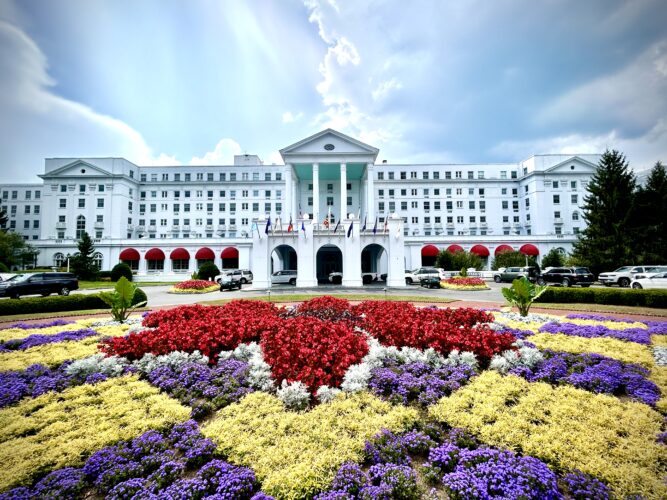
Dorothy Draper’s influence, characterized by bold chintz, vibrant colors, and classic luxury, is a signature that requires significant capital to preserve. An owner who understands the historical significance of the design is essential for maintaining the guest experience. Should the property fall into the hands of an owner focused solely on cost-cutting rather than preservation, the very aesthetic that defines the brand could be at risk.
Community Impact
The Greenbrier is the largest private employer in the area. When guests book a stay, they are investing in the stability of the local community. Ownership stability brings confidence to the workforce, from the kitchen staff to the groundskeepers at the Greenbrier Golf Course.
As the resort navigates the complexities of 21st-century finance, the stewardship of the property remains a balancing act. It is a historical treasure that requires more than just capital—it requires a commitment to its role as a cultural icon in American history. Whether through continued family ownership or a transition to a new entity, the resort’s legacy will continue to be defined by its ability to remain a sanctuary for those seeking elegance in the heart of the mountains.
LifeOutOfTheBox is a participant in the Amazon Services LLC Associates Program, an affiliate advertising program designed to provide a means for sites to earn advertising fees by advertising and linking to Amazon.com. Amazon, the Amazon logo, AmazonSupply, and the AmazonSupply logo are trademarks of Amazon.com, Inc. or its affiliates. As an Amazon Associate we earn affiliate commissions from qualifying purchases.