
To understand the political landscape of Hawaii, one must look beyond the swaying palms and pristine beaches of Oahu or Maui. While travelers often view these islands as a serene paradise of tropical indulgence, the socio-political fabric of the archipelago is deeply woven with a unique history of labor movements, cultural preservation, and a legacy of collective responsibility. The liberal leanings of the state are not merely contemporary preferences; they are the result of a century-long evolution of social consciousness.
The Legacy of the Plantation Era
The foundations of modern Hawaiian politics were laid in the difficult fields of the 19th and early 20th centuries. During the rise of the sugar and pineapple industries, the “Big Five” corporations held near-total control over the islands’ economy and government. These companies operated with an iron fist, dictating housing, wages, and social structures for the immigrant workers brought from Japan, Philippines, China, and Portugal.
The Rise of Labor Unions
The harsh conditions faced by these plantation workers birthed a fierce, unified labor movement. By the time of the 1946 sugar strike, the International Longshore and Warehouse Union had mobilized the workforce, creating a massive voting bloc that challenged the oligarchic establishment. This movement was instrumental in the “Democratic Revolution of 1954,” which effectively ended the Republican Party’s dominance in the Hawaii Territorial Legislature. This shift toward organized labor and populist representation remains a cornerstone of the state’s political identity today.
Multi-Ethnic Coalition Building
Because the labor force was composed of so many distinct ethnic groups, the movement had to be inherently inclusive to be successful. Political candidates could not win on the appeal of a single demographic; they had to build coalitions that bridged language barriers and cultural differences. This necessity for coalition building translated into a political culture that favors compromise, diversity, and social safety nets—the hallmarks of modern American liberalism.
The Influence of Native Hawaiian Values
While the plantation era provided the structure for political mobilization, the spirit of the state remains rooted in the traditional values of the indigenous population. The concept of “Aloha” is often reduced to a tourist greeting, but in the context of Native Hawaiian culture, it implies a profound, mutual obligation between people and the land, known as “malama aina.”
Stewardship and Environmentalism
This deep-seated reverence for the environment naturally aligns with liberal environmental policy. When you visit sites like Haleakala National Park or the protected coasts of Kauai, the imperative to protect the ecosystem from commercial overreach is palpable. Because the economy is fundamentally dependent on the health of the land and sea, sustainability is not just an ideological choice but an economic necessity. Voters in Honolulu and beyond consistently support legislation that limits large-scale development and preserves public access to beaches, viewing these resources as common goods rather than private commodities.

Community Over Individualism
In indigenous Hawaiian thought, the welfare of the community is often prioritized over individual gain. This communal approach contrasts sharply with the rugged individualism found in many parts of the mainland United States. This cultural preference for the collective good manifests in state-level policies, such as the Hawaii Prepaid Health Care Act, one of the first and most robust mandates for employer-provided health insurance in the country. The sentiment that the community should ensure the basic well-being of its members is woven into the very fabric of local life.
Isolation and the Cost of Living
Geography plays an undeniable role in shaping the political demands of residents. Being the most isolated island chain in the world, the cost of importing goods—from fuel to food—makes life exceptionally expensive. This reality forces a pragmatic approach to government intervention.
Managing the Cost of Paradise
Living on Big Island or Molokai means being acutely aware of the fragility of supply chains. When private market forces create extreme wealth inequality or housing shortages, the expectation that the state government will intervene to stabilize the cost of living becomes a dominant political issue. Whether it is through housing subsidies, public education funding, or strict land-use regulations, there is broad consensus that the market alone cannot sustain the population.
The Role of Tourism and Infrastructure
The massive tourism industry, centered in hubs like Waikiki, also influences the liberal leanings of the local populace. While tourism provides the economic engine, it also creates significant strain on infrastructure and public services. Local residents often lobby for stricter regulations on short-term rentals and increased taxes on visitors to fund public projects, such as the Honolulu Rail Transit system. This tension between hosting global travelers and preserving local quality of life keeps the dialogue centered on regulation, public spending, and long-term planning—all key planks of a liberal platform.
A Culture of Resilience and Reform
Ultimately, the liberal character of Hawaii is an adaptive strategy. From the early days of sugar cane fields to the modern era of climate change, the people of the islands have recognized that their small, isolated community thrives best when it acts as a cohesive unit.
The Modern Political Landscape
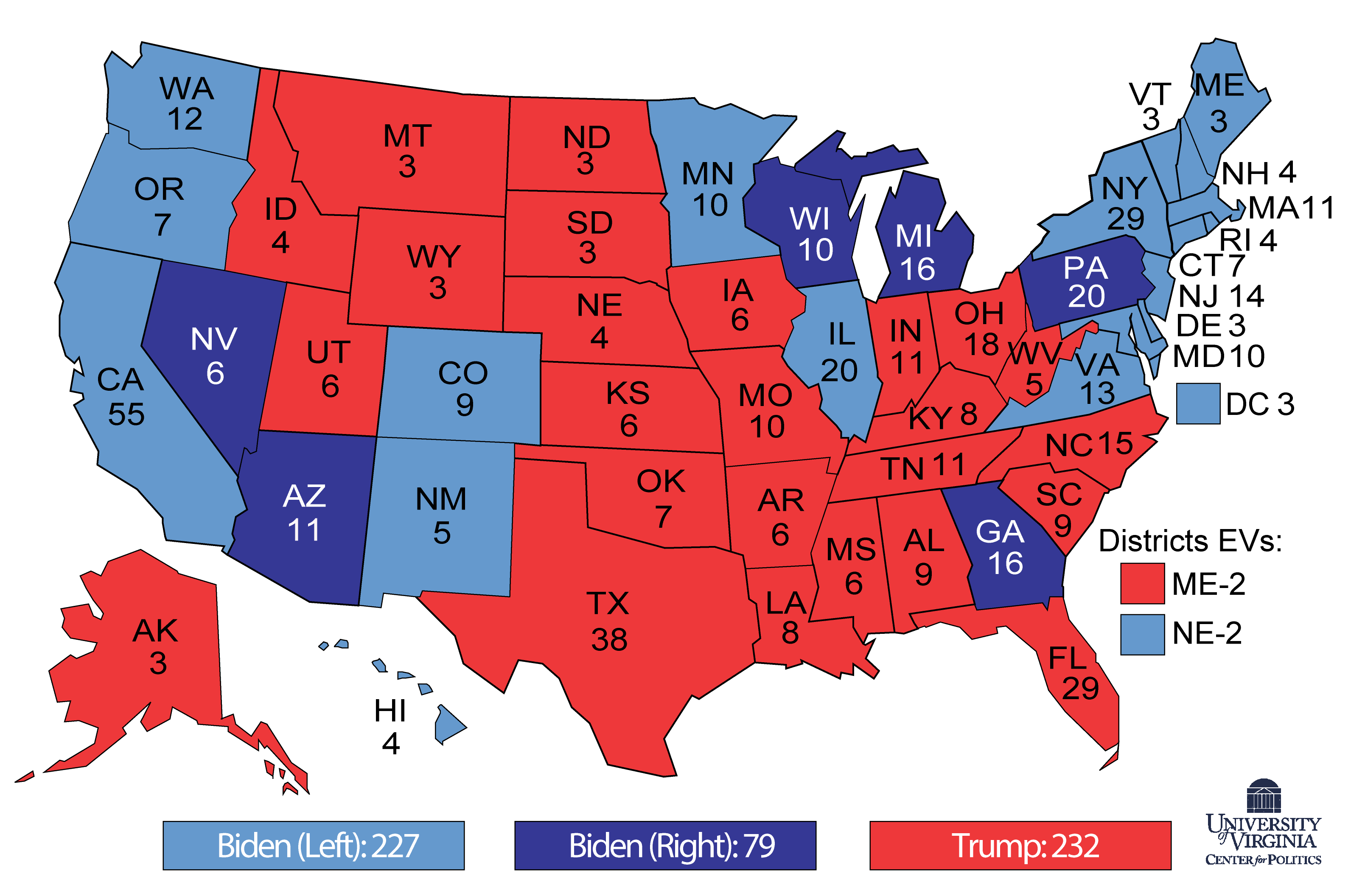
Today, the Democratic Party holds a supermajority in the state legislature, but the specific brand of liberalism found here is unique. It is a pragmatism born of necessity. It is not interested in the grand, abstract debates often found in Washington, D.C., but rather in the tangible issues of water rights, agricultural land protection, and affordable housing.

Looking Toward the Future
As the state faces new challenges—such as shifting weather patterns, rising sea levels, and the ongoing need to diversify the economy beyond tourism—the liberal consensus remains stable. It is a political culture that remembers the lessons of the past: the importance of organized labor, the value of the environment, and the strength of a united community. Whether you are trekking through Volcanoes National Park or enjoying the local cuisine in Lahaina, you are witnessing a society that has decided, through generations of struggle and success, that the best path forward is one paved with equity, stewardship, and collective care.
The political identity of these islands is not merely a label; it is a reflection of a people who understand that in a place as beautiful and finite as Hawaii, taking care of one another is the only way to ensure the paradise endures.
LifeOutOfTheBox is a participant in the Amazon Services LLC Associates Program, an affiliate advertising program designed to provide a means for sites to earn advertising fees by advertising and linking to Amazon.com. Amazon, the Amazon logo, AmazonSupply, and the AmazonSupply logo are trademarks of Amazon.com, Inc. or its affiliates. As an Amazon Associate we earn affiliate commissions from qualifying purchases.