
A Monumental Architectural Transformation
The story of the Trump International Hotel Washington D.C. is inextricably linked to the history of the Old Post Office Pavilion. Situated prominently along Pennsylvania Avenue in Washington D.C., this building served as a focal point for urban development and historical preservation long before it became a center of political and luxury hospitality intrigue.
Completed in 1899, the original structure was designed in the Romanesque Revival style, characterized by its imposing granite walls and a soaring clock tower that remains one of the tallest points in the capital. For decades, the building served its namesake function, housing the city’s primary postal operations. However, as the 20th century progressed, the structure faced the threat of demolition, leading to its eventual status as a protected historical site under the National Register of Historic Places.
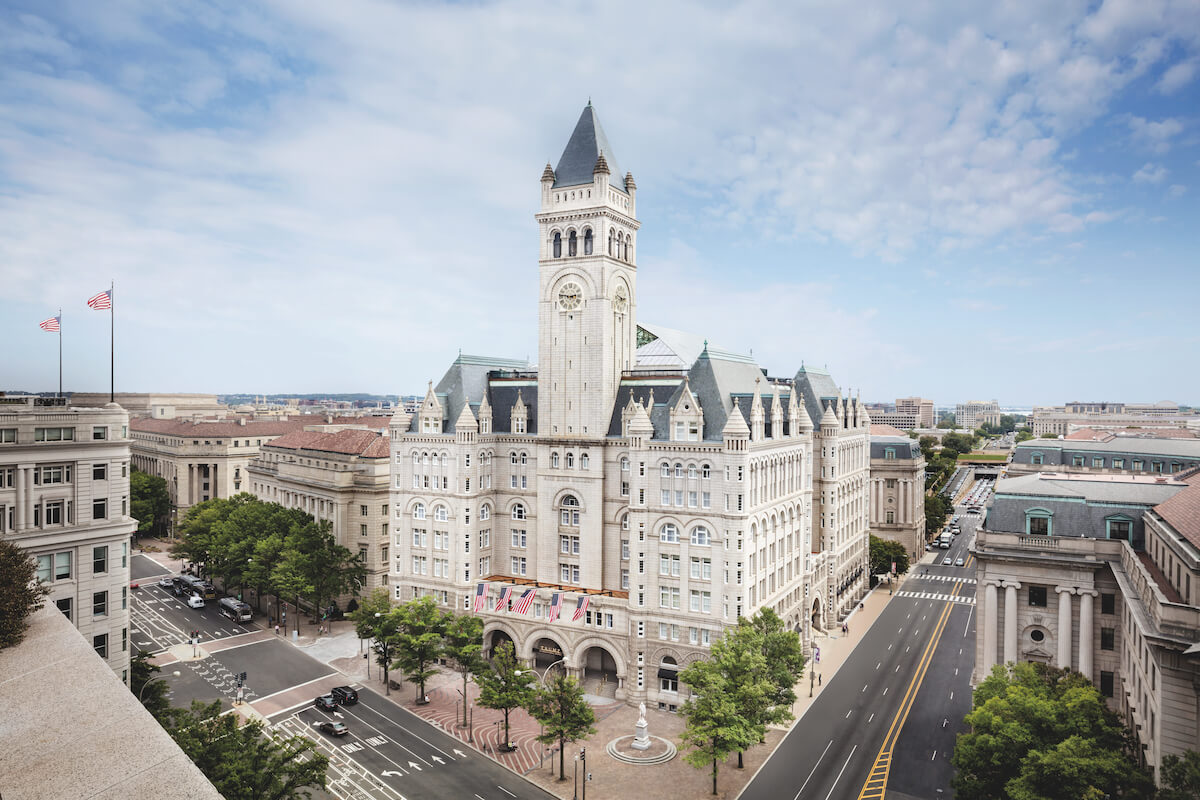
The transformation into a luxury hotel began in 2012 when the General Services Administration selected the Trump Organization to redevelop the property. The project was massive in scale, involving a multi-million dollar renovation that sought to preserve the ornate ironwork, wood carvings, and high vaulted ceilings of the original lobby while integrating modern amenities that define the ultra-luxury segment of the hospitality industry.
The Peak of Luxury Hospitality
When the hotel opened its doors in 2016, it was positioned as the premier destination for international dignitaries, business travelers, and high-net-worth individuals visiting the United States. The interior design was opulent, featuring gold-leaf accents, crystal chandeliers, and expansive suites that offered views of the surrounding Federal Triangle.
Defining Features of the Property
The hotel did not merely offer rooms; it provided an environment steeped in traditional grandeur. Every detail was curated to reflect a sense of legacy and prestige. Key highlights included:
- Presidential Suites: These were among the most expensive accommodations in the city, offering private entranceways, expansive living areas, and historical views of the street where presidential inaugural parades take place.
- The Lobby Bar: This central atrium served as the social heart of the building, where guests gathered beneath a massive glass ceiling. The space became a notable hotspot for political networking and public discourse during its years of operation.
- Fine Dining: The hotel featured signature culinary experiences, most notably BLT Prime, which attracted a loyal following of local power brokers and tourists alike.
- Preservation Standards: Because the building is a historical landmark, the renovation required strict adherence to architectural standards. The developers successfully integrated modern plumbing and electrical systems without compromising the building’s 19th-century aesthetic charm.
These features collectively elevated the property above traditional hotel offerings, making it a destination of its own—a place where the architecture of the past met the demands of modern luxury.
A Controversial Legacy and Market Shift
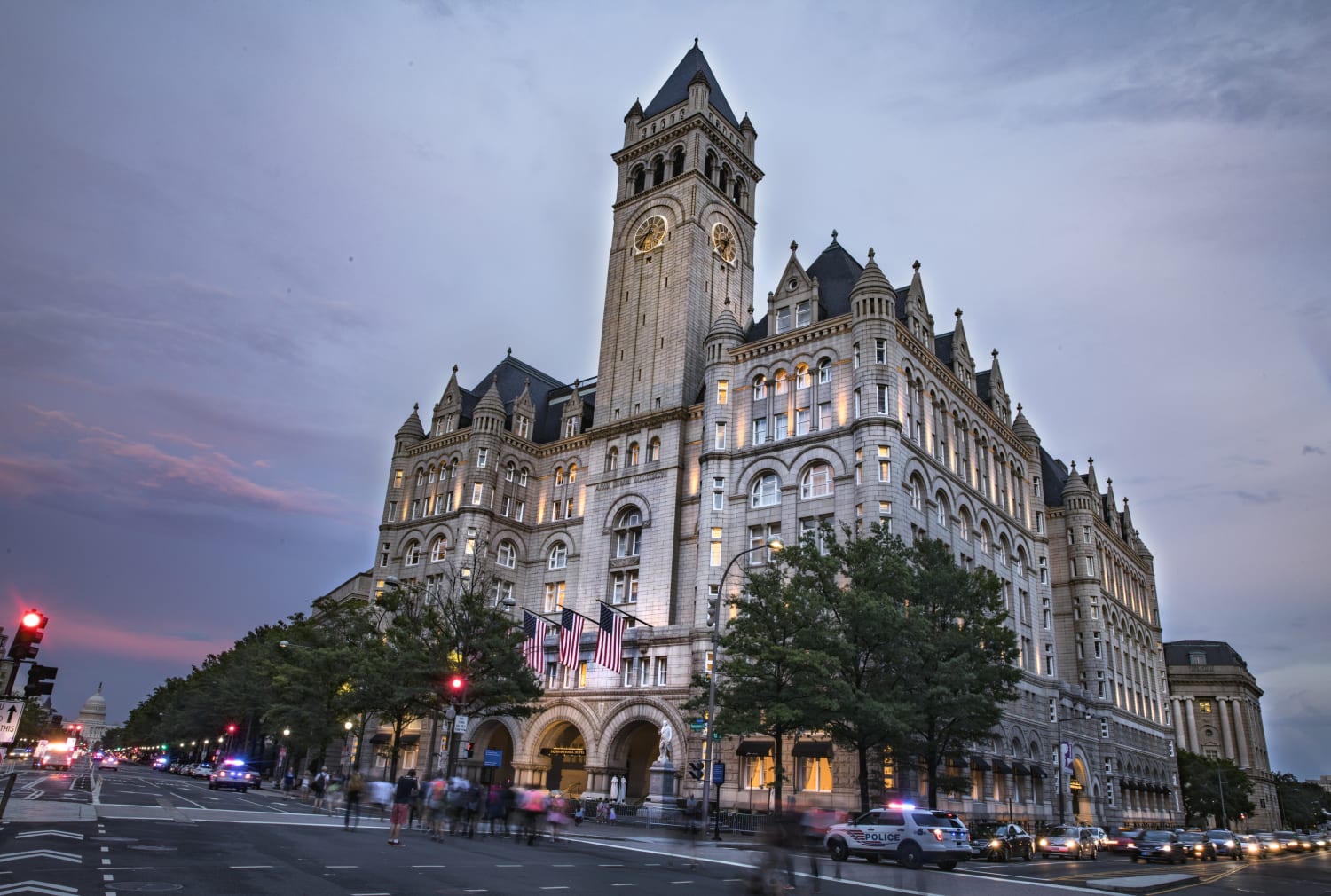
During its tenure under the Trump brand, the hotel became a lightning rod for national debate. Due to the high-profile nature of its ownership, the property faced intense scrutiny regarding foreign patronage, ethical concerns, and the intersection of business and politics. This unique position meant that for many, the hotel was more than just a place to sleep; it was a symbol of the shifting political landscape in District of Columbia.
The constant media attention created a complex environment for operations. While the hotel maintained its reputation for white-glove service, the constant stream of protesters and security personnel outside the building became as much a part of the guest experience as the check-in process. This friction between the hotel’s business operations and its role in the public eye led to a business model that was significantly different from typical luxury brands like the Ritz-Carlton or the Four Seasons.
Ultimately, the commercial performance was affected by these external pressures, leading the ownership to seek a path toward divestiture. The decision to sell the leasehold interest marked the end of an era for the building, effectively closing the chapter on the hotel’s most famous iteration.
The Rebranding and Future of the Site
In early 2022, the property was sold for a reported $375 million to a private investment firm. Following the sale, the building underwent a significant transition, culminating in its rebranding as the Waldorf Astoria Washington DC.

Transitioning to a New Identity
The change in management brought about a shift in the property’s branding, moving away from its previous association to align with the global luxury standards of the Hilton portfolio. This transition involved several key steps:
- Refining the Guest Experience: The new management sought to pivot from a politically polarized atmosphere to a more traditional luxury travel narrative, focusing on classic, high-end hospitality.
- Repositioning Food and Beverage: The culinary offerings were overhauled to align with Waldorf Astoria standards, ensuring a dining experience that caters to both international travelers and local food connoisseurs.
- Restoring Quiet Luxury: The goal of the new operators was to restore the building’s reputation as a sanctuary of refinement, stripping away the exterior distractions that had defined its previous years to emphasize the architectural beauty of the site itself.
Today, the building remains a testament to the longevity of the Old Post Office. Whether it is viewed as a monument to history, a masterpiece of masonry, or a shifting asset in the world of commercial real estate, the site stands as one of the most significant landmarks in North America.
The legacy of the hotel is fundamentally the story of Washington itself—a city where history is preserved, repurposed, and constantly reinvented. By maintaining the structure’s physical integrity while evolving its internal brand, the current operators aim to ensure that the building continues to anchor Pennsylvania Avenue for another century. For visitors, it remains an essential stop, providing a unique vantage point from which to view the capital’s complex blend of historic grandeur and evolving cultural identity.
LifeOutOfTheBox is a participant in the Amazon Services LLC Associates Program, an affiliate advertising program designed to provide a means for sites to earn advertising fees by advertising and linking to Amazon.com. Amazon, the Amazon logo, AmazonSupply, and the AmazonSupply logo are trademarks of Amazon.com, Inc. or its affiliates. As an Amazon Associate we earn affiliate commissions from qualifying purchases.