
When you step into the polished marble lobby of a historic property in London or ascend the elevator at a sleek, modern boutique establishment in Edinburgh, you might occasionally glance at the floor selection panel. If you are a seasoned traveler, you may have developed the habit of checking for the number 13, a digit famously missing from the elevator buttons of many high-rise hotels in the United States. This phenomenon, known as triskaidekaphobia—the fear of the number 13—is deeply ingrained in Western architectural culture across the Atlantic. However, as you traverse the United Kingdom, the landscape of hotel floor numbering tells a different, more grounded story.

The Architectural Reality of British Hotels
In the United Kingdom, the design philosophy regarding hotel levels is generally rooted in pragmatism rather than superstition. Unlike American developers who frequently bow to the anxieties of potential guests by skipping the 13th floor, British architects and hotel operators typically follow a straightforward, linear numerical progression.
Numerical Honesty in Design
Walk into a towering structure like the The Shard or any contemporary hotel development in Manchester, and you will find that the floors are numbered exactly as they exist in physical space. If a building has twenty stories, floor 13 is labeled as such. For British developers, the floor number is a functional address rather than a psychological tool. Removing a floor from the elevator panel does not actually remove the floor from the building; it merely obfuscates reality. The British approach is to embrace the building’s true dimensions, regardless of the cultural baggage associated with specific digits.
Differences in Ground Floor Conventions
While the numbering of the 13th floor remains straightforward, it is worth noting that British hotels often differ from their international counterparts in how they label the “first” floor. In many parts of the world, the ground level is referred to as the 1st floor. In Britain, the entrance level is the Ground Floor, and the level immediately above it is the 1st Floor. This distinction can occasionally lead to confusion for international visitors, but it remains a consistent, logical standard across the British Isles.
Cultural Attitudes Toward Superstition
The contrast between the American trend of omitting the 13th floor and the British practice of including it is a study in differing cultural approaches to tradition and superstition. While the United Kingdom is steeped in folklore and history, this has not translated into a widespread architectural policy of floor censorship.
The Pragmatic British Mindset
British hospitality tends to favor efficiency and transparency. When a guest books a room at a property like the The Savoy or the Claridge’s, there is an expectation of heritage and historical accuracy. To arbitrarily skip a floor number would be seen by many British hoteliers as an unnecessary, perhaps even frivolous, accommodation to a superstition that does not carry the same institutional weight as it does in North American markets.

The Influence of Global Hotel Brands
The landscape is shifting slightly due to the globalization of the hospitality industry. International hotel chains that operate properties in Birmingham, Leeds, or Glasgow sometimes bring their standardized global operating manuals with them. In some rare instances, a property managed by a global brand might choose to adopt international floor-labeling conventions to cater to a broad demographic of travelers. However, even within these global chains, the prevailing sentiment in the British market remains heavily skewed toward the traditional, numerical approach. You are far more likely to find a 13th floor in a hotel in England than you are in a skyscraper in New York.
Why the Number 13 Matters Less Across the Pond
Understanding why British hotels maintain their floor numbering requires looking at how superstition interacts with the built environment. In the United States, the practice of skipping the 13th floor was arguably accelerated by developers who wanted to ensure that no guest would ever feel uncomfortable—or refuse a room—due to the perceived “bad luck” of the number.
The Psychology of Room Assignment
In Britain, the “bad luck” associated with the number 13 has never been quite enough to influence capital-intensive architectural decisions. Most British guests prioritize location, service, and room quality over the numerology of their floor. A high-quality room on the 13th floor of a hotel in Liverpool is still viewed as a desirable space with a view, rather than a cursed living area. This indifference to the superstition means that hoteliers feel no commercial pressure to omit the floor.
Is the Tradition Fading?
Even in countries where the 13th floor is traditionally skipped, the trend is slowly reversing. Many modern architectural firms now prefer to document buildings accurately, citing building codes and safety regulations that require clear, sequential floor identification for emergency services. In the United Kingdom, this has always been the case. The clarity of the floor numbering system is a point of pride and a necessity for building maintenance, fire safety, and navigation.
Navigating Your Stay in British Hotels
When traveling through Scotland, Wales, or Northern Ireland, you will find that hotels are designed to be intuitive. Whether you are staying in a historic conversion or a brand-new skyscraper, the elevator panel will guide you predictably from the ground floor to the highest level.
Tips for Travelers
- Understand the Ground Floor: Remember that your elevator will likely have a button for “G” or “0” for the ground floor, with the next floor being the 1st.
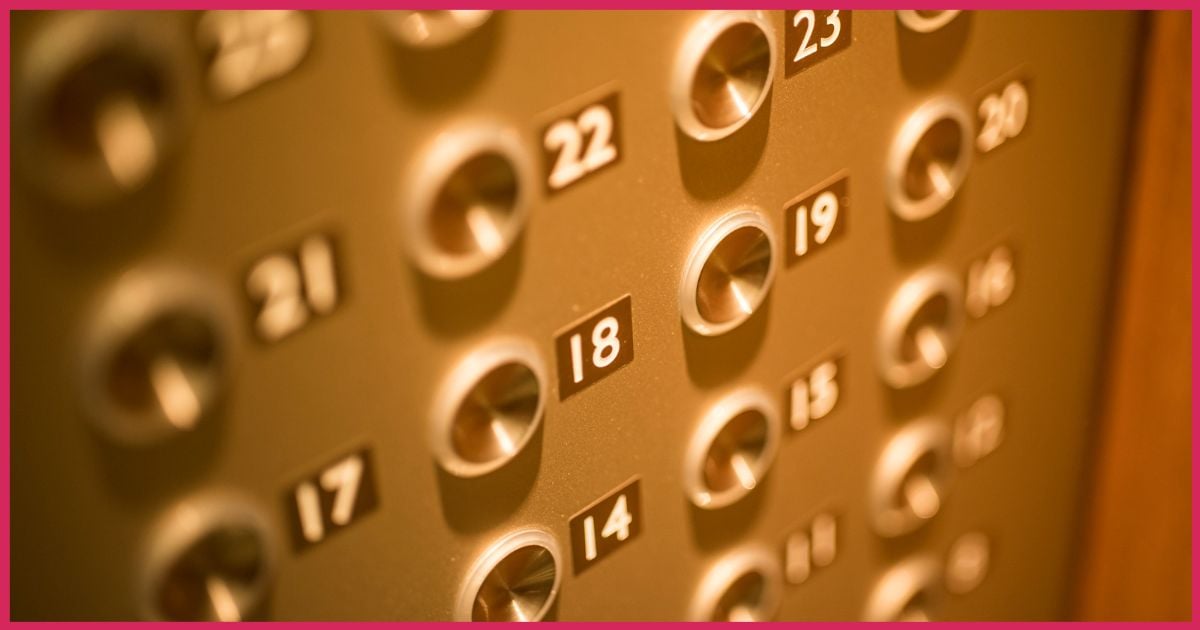
- Expect Sequential Numbering: Do not be surprised if you see a button for the 13th floor. It is simply a floor, and it is likely just as comfortable as the 12th or the 14th.
- Historical Buildings: In very old hotels, you might encounter winding staircases and elevators that don’t reach every level. In these instances, the floor numbers follow the building’s unique architecture rather than standard high-rise conventions.
Ultimately, the lack of triskaidekaphobia in British hotel architecture reflects a culture that is comfortable with its history and practical in its design. While the United Kingdom is a land of legends, haunted castles, and ancient myths, it seems that when it comes to the logistics of a hotel stay, the British prefer their numbers to be exactly where they are supposed to be. If you find yourself staying on the 13th floor, take it as an opportunity to enjoy the view, knowing that you are participating in a straightforward, honest architectural tradition that refuses to hide from a number.
LifeOutOfTheBox is a participant in the Amazon Services LLC Associates Program, an affiliate advertising program designed to provide a means for sites to earn advertising fees by advertising and linking to Amazon.com. Amazon, the Amazon logo, AmazonSupply, and the AmazonSupply logo are trademarks of Amazon.com, Inc. or its affiliates. As an Amazon Associate we earn affiliate commissions from qualifying purchases.