
The dream of visiting Hawaii is one shared by millions of travelers across the globe. With its emerald-green cliffs, sapphire waters, and the rhythmic sway of palm trees, it represents the ultimate tropical paradise. However, because these islands are located in the middle of the Pacific Ocean, thousands of miles away from the mainland, a common logistical question arises for many first-time visitors: “Do you need a passport to visit Hawaii?”
Understanding the entry requirements is the first step in planning a seamless journey to the 50th state. Depending on your country of citizenship and where your flight originates, the answer can vary. This guide provides a comprehensive breakdown of documentation needs, logistical considerations, and travel insights to ensure your arrival in the islands is as smooth as a Waikiki sunset.
Understanding Passport and Identification Requirements
For citizens of the United States, the short answer is no; you do not need a passport to fly to Hawaii. Because Hawaii is a U.S. state, traveling there from the mainland—whether you are departing from California, New York, or Texas—is considered domestic travel. You are not crossing an international border, and therefore, a valid government-issued photo ID is all that is required for air travel.
REAL ID Compliance
While a passport is not mandatory for domestic travelers, it is crucial to stay updated on the REAL ID Act. Managed by the Transportation Security Administration, this federal law sets higher security standards for state-issued driver’s licenses and identification cards. Starting from the federally mandated deadline, every air traveler 18 years of age and older will need a REAL ID-compliant license or another acceptable form of ID (such as a passport or military ID) to fly within the United States. If your license has a star in the upper right corner, you are likely compliant. If not, carrying a passport can serve as a foolproof backup.
Requirements for International Travelers
For those traveling from outside the United States, the rules change significantly. If you are arriving from Canada, Japan, Australia, or the United Kingdom, a valid passport is mandatory. International visitors must go through Customs and Border Protection just as they would when landing in Los Angeles or Chicago.
Many international tourists may also need to apply for a visa or an Electronic System for Travel Authorization (ESTA). Visitors from countries like South Korea, Germany, and France often qualify for the Visa Waiver Program, but it is essential to check current regulations before booking your flight. Even if you are just transiting through a mainland U.S. city before heading to Honolulu, you will need to clear customs at your first point of entry into the country.
Logistics of Flying to the Islands
Traveling to Hawaii involves more than just showing an ID at the gate. Because of the archipelago’s isolated ecosystem, there are specific agricultural rules that all travelers must follow.
Agricultural Inspections and Declarations
When you arrive in Hawaii, you are entering a delicate environment. The Hawaii Department of Agriculture requires all passengers to fill out a Plants and Animals Declaration Form during their flight. This process is designed to prevent the introduction of invasive species, pests, and diseases that could devastate the local flora and fauna.
Upon departure from Hawaii back to the mainland, your luggage will go through a mandatory pre-flight agricultural inspection. You are generally prohibited from taking fresh fruits, vegetables, and certain flowers (like jade vine or gardenia) back to cities like Seattle or Phoenix unless they have been officially treated and certified.
Major Gateways and Airlines
Most visitors will find themselves landing at Daniel K Inouye International Airport in Oahu, which serves as the primary hub for the islands. However, direct flights from the mainland also frequently land at Kahului Airport on Maui, Lihue Airport on Kauai, and Kona International Airport on the Big Island.
Several major carriers offer robust schedules to the islands. Hawaiian Airlines is the flagship carrier, known for its island hospitality. Other domestic giants like United Airlines, Delta Air Lines, American Airlines, Alaska Airlines, and Southwest Airlines provide competitive options and frequent routes from major hubs across North America.
Exploring the Diverse Islands of Hawaii
Once the logistics are settled, the real magic begins. Each island offers a distinct personality and a variety of experiences that cater to different types of travelers.

Oahu: The Gathering Place
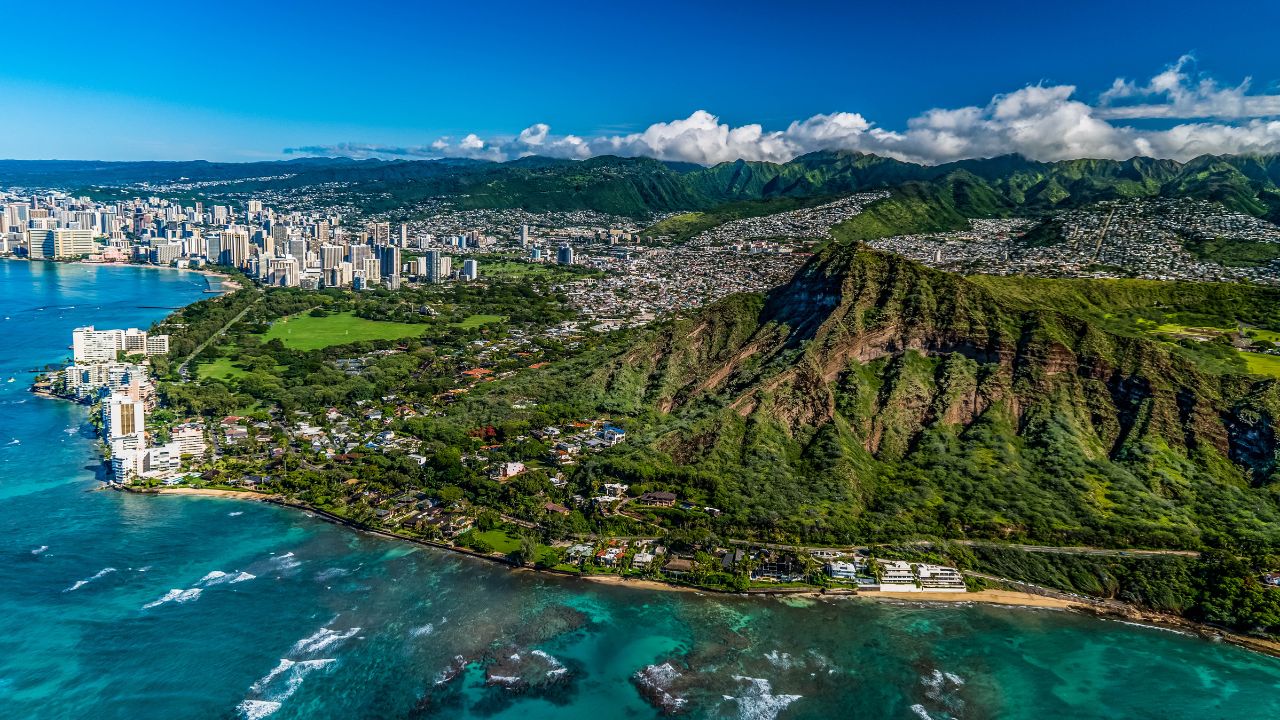
Oahu is the heart of the state, blending cosmopolitan energy with historic significance. In the capital city of Honolulu, you can wander through the luxury boutiques of Waikiki or learn about the state’s royal past at Iolani Palace. No trip to Oahu is complete without a visit to the Pearl Harbor National Memorial and the USS Arizona Memorial, where history comes alive in a deeply moving tribute. For nature lovers, hiking the trail at Diamond Head State Monument offers panoramic views of the coastline.
Maui: The Valley Isle
Maui is world-renowned for its stunning beaches and the majestic Haleakala National Park. Watching the sunrise from the summit of Haleakala is a bucket-list experience that feels like standing on the edge of the world. Adventure seekers often brave the winding turns of the Road to Hana, a legendary drive that passes through lush rainforests, cascading waterfalls, and black sand beaches. In the winter months, the waters off the coast of Lahaina become a prime location for humpback whale watching.
Kauai: The Garden Isle
For those seeking a more rugged and untouched landscape, Kauai is the destination of choice. It is home to the Na Pali Coast State Wilderness Park, where dramatic fluted cliffs rise 4,000 feet from the sea. Whether viewed by boat or helicopter, the coastline is breathtaking. On the western side of the island, Waimea Canyon State Park, often called the Grand Canyon of the Pacific, provides miles of hiking trails through red-hued earth and deep valleys.
The Big Island: A Land of Fire and Ice
The Big Island, officially named Hawaii Island, is the largest and youngest in the chain. It is a place of geographical extremes, from the snow-capped peak of Mauna Kea to the active lava flows at Hawaii Volcanoes National Park. Visitors can witness the power of Kilauea Volcano and explore the unique landscapes shaped by centuries of volcanic activity. The island is also famous for its coffee plantations in Kona and the lush botanical gardens near Hilo.
Must-Visit Landmarks and Cultural Sites
Hawaii is more than just a beach destination; it is a place of rich cultural heritage and profound natural beauty. Integrating these landmarks into your itinerary provides a deeper understanding of the “Aloha Spirit.”
Cultural Immersion
The Polynesian Cultural Center on the north shore of Oahu is an excellent place to experience the traditions of Samoa, Tahiti, Tonga, and Fiji. Through traditional dance, music, and food, visitors can appreciate the interconnectedness of the Pacific Islands.
In Honolulu, the Bishop Museum holds the world’s largest collection of Hawaiian and Pacific artifacts. It serves as a vital resource for preserving the language and history of the indigenous people.
Natural Wonders
Beyond the volcanoes and canyons, Hawaii boasts incredible marine life. Hanauma Bay Nature Preserve is a protected volcanic crater that offers some of the best snorkeling in the world, with vibrant coral reefs and schools of tropical fish. On the island of Maui, the Maui Ocean Center provides an up-close look at the marine ecosystems of the Pacific Ocean without even getting wet.
If you are looking for a quieter experience, the islands of Lanai and Molokai offer a glimpse into a slower pace of life. Lanai is known for its luxury and the otherworldly Garden of the Gods, while Molokai maintains deep roots in traditional Hawaiian lifestyle, with very little commercial development.
Essential Tips for the Modern Traveler
To make your trip to Hawaii truly unforgettable, a few practical tips can help navigate the nuances of island travel.
Respecting the Land (Malama Aina)
The concept of “Malama Aina,” or caring for the land, is central to Hawaiian culture. Travelers are encouraged to be mindful of their impact. This includes using reef-safe sunscreen to protect the coral, staying on marked trails during hikes, and keeping a respectful distance from wildlife like the Hawaiian monk seal or the green sea turtle (Honu).
Transportation Within the Islands
While Honolulu has a comprehensive public transit system known as TheBus, most other islands require a rental car to explore fully. Car rentals can be in high demand, especially during peak seasons like Christmas or summer break, so booking in advance is highly recommended. For travel between islands, inter-island flights are short—usually around 30 to 45 minutes—making it easy to experience more than one destination during your stay.

Packing for Success
Even though Hawaii is warm year-round, the diverse microclimates mean you should pack for various conditions. If you plan to visit the summit of Haleakala or Mauna Kea, temperatures can drop below freezing, so a warm jacket is essential. Conversely, the North Shore of Oahu can be rainy, so a light waterproof shell is a wise addition to your suitcase.
By ensuring your identification is in order and respecting the local guidelines, your visit to Hawaii will be a rewarding experience. Whether you are surfing the waves of Waikiki Beach or watching the sunset over the Na Pali Coast, the beauty of these islands is accessible to all who come prepared. While a passport may not be a requirement for everyone, a sense of adventure and a spirit of respect certainly are.
LifeOutOfTheBox is a participant in the Amazon Services LLC Associates Program, an affiliate advertising program designed to provide a means for sites to earn advertising fees by advertising and linking to Amazon.com. Amazon, the Amazon logo, AmazonSupply, and the AmazonSupply logo are trademarks of Amazon.com, Inc. or its affiliates. As an Amazon Associate we earn affiliate commissions from qualifying purchases.