
Checking into a hotel is one of the most familiar rituals of modern travel, yet it often carries a subtle, lingering anxiety. Whether you are arriving at the grand lobby of the Ritz-Carlton in New York City after a grueling transatlantic flight, or stepping into a boutique property in Paris for a romantic weekend, the check-in process sets the tone for your entire stay. Mastering this routine transforms a mundane administrative task into a seamless, confident entry into your temporary home.
Understanding the mechanics of hotel arrival goes beyond simply handing over a credit card and receiving a key. From digital app-based access to classic front desk etiquette, modern hospitality has evolved significantly. This guide explores the comprehensive anatomy of hotel check-in, ensuring that your next arrival—whether at a sprawling resort in Maui or a business hotel in London—is entirely stress-free.

Before You Arrive: The Foundation of a Smooth Check-In
A successful hotel arrival actually begins days, or even weeks, before you walk through the front doors. Preparing the necessary documentation and communicating your preferences in advance can mean the difference between getting your ideal room and being relegated to the basement utility closet view.
Essential Documentation and Payment Methods
The foundation of any hotel check-in rests on two items: government-issued photo identification and a valid credit card.
- Photo Identification: A passport is universally accepted worldwide, while a driver’s license suffices for domestic travel within countries like the United States. The name on the identification must match the name on the reservation.
- The Incidental Deposit Credit Card: Even if your room has been fully prepaid through a third-party booking engine or your company’s corporate travel portal, the front desk will require a credit card in the primary guest’s name. This card is used to authorize an incidental deposit—a temporary hold that covers potential charges such as room service, minibar consumption, or property damage. Debit cards are sometimes accepted, but they can be problematic because the holds can tie up your actual cash funds for up to ten business days after departure.
Pre-Arrival Digital Communication
Many contemporary hospitality brands, from major global chains like Marriott to independent boutique properties, utilize proprietary mobile applications. Downloading these apps a day prior to your trip allows you to complete pre-registration forms digitally. Doing so saves valuable time upon arrival and occasionally alerts the property to your estimated time of arrival, allowing them to prioritize your room cleaning if you are arriving early.
Step-by-Step at the Front Desk: The Traditional Arrival
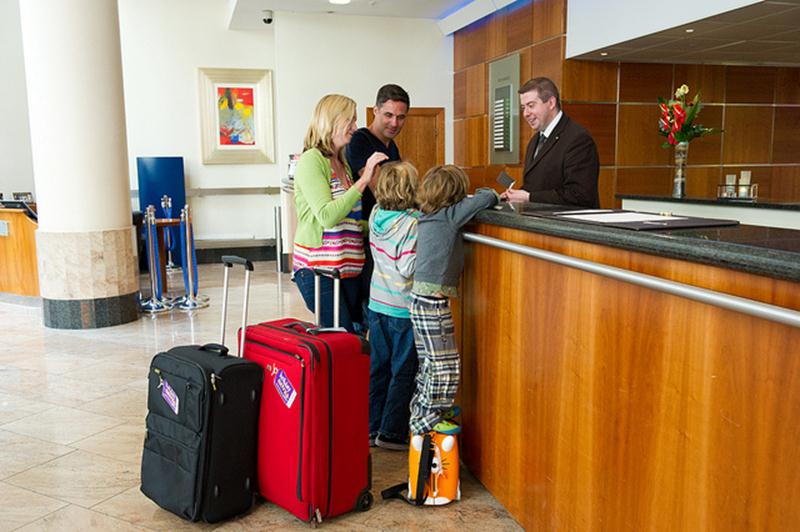
When you cross the threshold of a hotel lobby and approach the front desk, a standardized choreography unfolds. Knowing what to expect helps you navigate this interaction with poise and confidence.
Greeting and Document Handover
Approach the desk with a friendly greeting. While the desk agent is pulling up your reservation in the property management system, have your passport and credit card readily accessible in your hand rather than digging through the depths of your luggage. This demonstrates consideration for the staff and keeps the queue moving efficiently for fellow travelers.

Understanding Room Assignment and Upgrades
Once your identity is verified, the agent will assign your room. If you are a member of the hotel’s loyalty program—such as Hilton Honors or World of Hyatt—this is the moment when complimentary upgrades, late check-out privileges, or welcome amenities are typically discussed.
- Polite Inquiry: If you are hoping for a higher floor, a quieter corner, or a better view, this is the appropriate time to ask gently. A polite phrase such as, “If any upgrades to a view room happen to be available today, I would love to be considered,” works wonders when delivered with a warm smile.
Security Deposits and Key Issuance
The front desk agent will ask you to review and sign the registration card, which outlines the hotel’s policies regarding smoking, pet fees, and quiet hours. They will then process the credit card authorization for incidentals. Finally, physical room keys—increasingly coded onto sustainable wooden cards or high-tech RFID wristbands—are handed over. The agent will typically brief you on essential property details, including elevator locations, breakfast hours, Wi-Fi passwords, and the location of the fitness center or pool.
The Rise of Digital Check-In and Keyless Entry
The hospitality landscape has shifted dramatically toward contactless technology. For frequent travelers who value speed and autonomy, digital check-in has become the preferred method of arrival.
Mobile Apps and Remote Registration
Major hospitality groups allow guests to check in via smartphone up to 24 hours before arrival. Through the app, you can often bypass the front desk entirely. The system notifies you via push notification when your room is ready and your digital key has been activated.
Navigating Keyless Entry Systems
Once your digital key is downloaded to your smartphone wallet, accessing your room is as simple as holding your phone near the electronic door lock.
- Troubleshooting: Technology occasionally falters. If your digital key fails to unlock the door, do not panic. Ensure your Bluetooth is enabled, or simply walk down to the front desk where an agent can quickly recode a physical backup key for you. While digital check-in is immensely convenient, seasoned travelers often request a physical key card at some point during their stay just in case their phone battery dies.
Special Scenarios and Etiquette Tips
Not every hotel check-in follows a standard afternoon timeline. Knowing how to handle logistical hurdles ensures you remain calm under pressure.
Handling Early Arrivals and Late Check-Outs
Standard hotel check-in time typically falls between 3:00 PM and 4:00 PM, while check-out is usually around 11:00 AM.
- Early Arrival: If your flight lands at 8:00 AM, your room will rarely be ready. Instead of waiting impatiently in the lobby, utilize the hotel’s luggage storage service. Hand your heavy bags to the bell desk, secure a claim check, and head out to explore nearby local cafes or museums unencumbered.
- Late Departure: If you need a few extra hours in your room on departure day, contact the front desk the evening before rather than waiting until the morning of your departure. Properties are far more accommodating when requests are made in advance.
Tipping Etiquette
While tipping the front desk agent is uncommon unless they have performed an extraordinary miracle for you, tipping the support staff upon arrival is standard practice. If a bellhop or valet assists you with heavy luggage and escorts you to your room, a tip of $2 to $5 per bag is customary and greatly appreciated.
Ultimately, checking into a hotel is the threshold of your adventure. By preparing your documentation, understanding the balance between digital convenience and personal interaction, and maintaining a polite demeanor, you ensure that your journey begins on the absolute highest note.
LifeOutOfTheBox is a participant in the Amazon Services LLC Associates Program, an affiliate advertising program designed to provide a means for sites to earn advertising fees by advertising and linking to Amazon.com. Amazon, the Amazon logo, AmazonSupply, and the AmazonSupply logo are trademarks of Amazon.com, Inc. or its affiliates. As an Amazon Associate we earn affiliate commissions from qualifying purchases.