
The question of “how hot” Los Angeles is cannot be answered with a single digit on a thermometer. Spanning from the sun-drenched shores of the Pacific Ocean to the rugged, arid expanses of the San Fernando Valley, this sprawling metropolis is defined by a complex mosaic of microclimates. For the traveler, understanding these temperature variances is essential for planning a trip, as moving just ten miles inland can feel like stepping into an entirely different climate zone.
The Coastal Influence: Breezes and Marine Layers
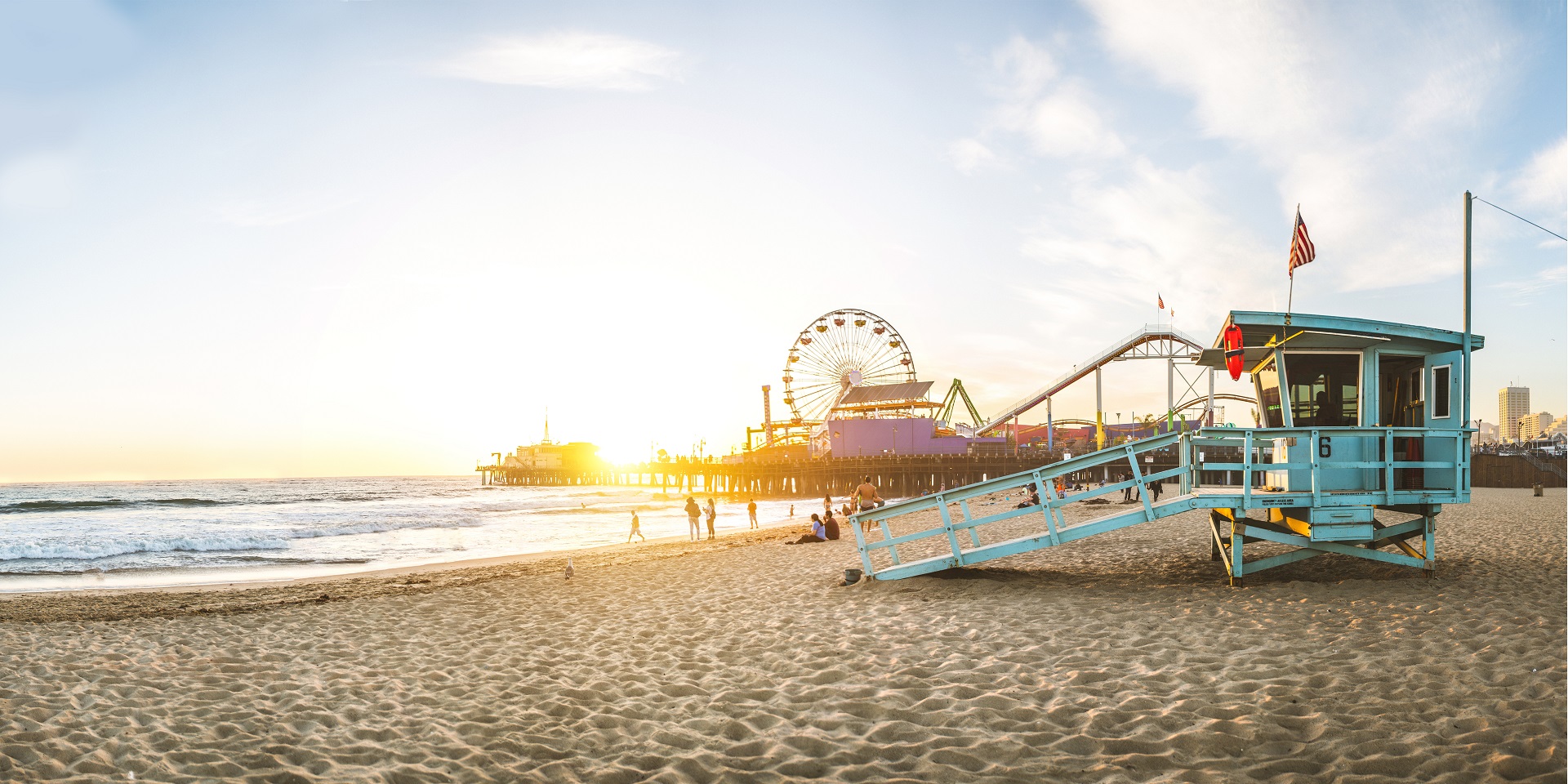
If your itinerary is focused on the coastline, you are in for some of the most temperate and comfortable weather in the United States. Coastal communities like Santa Monica and Venice Beach benefit significantly from the cooling influence of the ocean.

The “June Gloom” Phenomenon
Many visitors are surprised to find that early summer in California often brings overcast skies and cool mornings. Known locally as “June Gloom,” this weather pattern occurs when a layer of marine clouds rolls in from the Pacific Ocean overnight. These low-hanging clouds typically burn off by the early afternoon, leading to pleasant, mild temperatures in the low 70s Fahrenheit. While this may not provide the scorching heat some expect from a beach vacation, it offers the perfect climate for outdoor activities like cycling along the Marvin Braude Bike Trail without the risk of overheating.
Ideal Coastal Temperatures
For the majority of the year, the temperature along the Pacific Coast Highway rarely climbs above 80°F. Even during the height of August, a steady sea breeze ensures that places like Malibu remain refreshing. If you are seeking a destination that balances sun with natural air conditioning, the coastal strip is your best bet.
The Inland Heat: Valley Summers and Thermal Traps
As you travel east, away from the Santa Monica Mountains, the influence of the ocean wanes significantly. This creates a stark contrast in temperature, particularly during the summer months.
The San Fernando Valley and Beyond
Inland areas such as Woodland Hills or Burbank can experience temperatures that are 10 to 15 degrees higher than those recorded at Los Angeles International Airport. During the peak of summer, it is not uncommon for the San Fernando Valley to reach triple digits. The lack of sea breeze, combined with the surrounding topography that traps heat, makes these areas significantly warmer. If you plan to visit attractions like Universal Studios Hollywood or explore the hiking trails near Griffith Observatory, be prepared for intense sun exposure and plan your excursions for the early morning or late afternoon.
Adapting to the Inland Climate
When the mercury rises, local life shifts. Residents and savvy travelers gravitate toward shaded environments. If your accommodation is located in the inland basin, ensure you have access to climate control. Fortunately, even on the hottest days, the low humidity in Southern California makes the heat feel more manageable than it would in more humid climates.
Seasonal Shifts and When to Visit
Los Angeles is a year-round destination, but the “hotness” of the city varies drastically depending on the season.
Autumn: The Season of Santa Ana Winds
Perhaps the most peculiar weather phenomenon in Los Angeles occurs in the fall. The Santa Ana winds—hot, dry gusts originating from the interior deserts—frequently blow through the region in October and November. These winds can push temperatures well into the 90s, even when the rest of the country is beginning to cool down. While these days are bright and clear, they also bring an increased fire risk, making it a time when travelers should stay informed via local news.
Winter: Mild and Sunny
Winter is arguably the most pleasant time to visit if your definition of “hot” involves avoiding extreme weather entirely. Daytime highs typically hover in the high 60s to low 70s. While nights can be chilly, the days are frequently filled with warm, golden sunshine, perfect for visiting iconic spots like the Getty Center or strolling down Rodeo Drive in Beverly Hills.
Packing Strategy for a Multi-Climate City
Because Los Angeles offers such diverse temperature zones, the key to comfort is layering. A day trip that begins in the cool, misty air of Santa Monica Pier might end in the dry, sweltering heat of Downtown Los Angeles.
- Lightweight Layers: Always carry a light jacket or sweater, even in the summer. When the sun dips behind the Palos Verdes Peninsula, the temperature drops rapidly.
- Sun Protection: Regardless of the temperature, the California sun is intense. High-SPF sunscreen, sunglasses, and a wide-brimmed hat are non-negotiable items for any tourist exploring the city.
- Hydration: Especially when moving between air-conditioned museums like The Broad and outdoor spaces, keep a reusable water bottle handy. The lack of humidity can lead to rapid dehydration without you even noticing.

Conclusion: Balancing the Heat with the Experience
Is Los Angeles hot? The answer is “yes,” but only if you choose it to be. The city’s geography allows you to curate your own temperature experience. You can bask in the cool, fog-kissed breezes of the Pacific Ocean by staying in beachside enclaves, or you can embrace the classic, high-heat Southern California experience by venturing into the sun-baked valleys.
By understanding the interplay between the ocean, the mountains, and the seasonal winds, you can navigate the city with ease. Whether you are catching a concert at the Hollywood Bowl or simply navigating the bustling streets of West Hollywood, knowing how to handle the local climate will ensure that your trip remains comfortable, regardless of what the thermometer says. Los Angeles is a city of constant contrast, and those who learn to work with its weather patterns will find that every season has its own unique, sun-drenched charm.
LifeOutOfTheBox is a participant in the Amazon Services LLC Associates Program, an affiliate advertising program designed to provide a means for sites to earn advertising fees by advertising and linking to Amazon.com. Amazon, the Amazon logo, AmazonSupply, and the AmazonSupply logo are trademarks of Amazon.com, Inc. or its affiliates. As an Amazon Associate we earn affiliate commissions from qualifying purchases.