
The global hospitality industry is one of the most dynamic, expansive, and resilient employment sectors in the world. When analyzing the question of how many jobs are available in hotels and resorts, the answer reveals a vast ecosystem encompassing millions of positions globally. From iconic properties like the Ritz Paris to sprawling tropical paradises such as Atlantis Paradise Island, the lodging sector functions as a self-contained economy. Understanding the scale, distribution, and variety of these opportunities requires a deep dive into the inner workings of modern hospitality.
The Global Scale of Hospitality Employment
To comprehend the sheer volume of jobs available in hotels and resorts, one must look at macroeconomic data. The hospitality and tourism sector traditionally accounts for roughly one in ten jobs worldwide. Within this massive umbrella, hotels, motels, and luxury resorts represent a substantial share of the total employment figures.
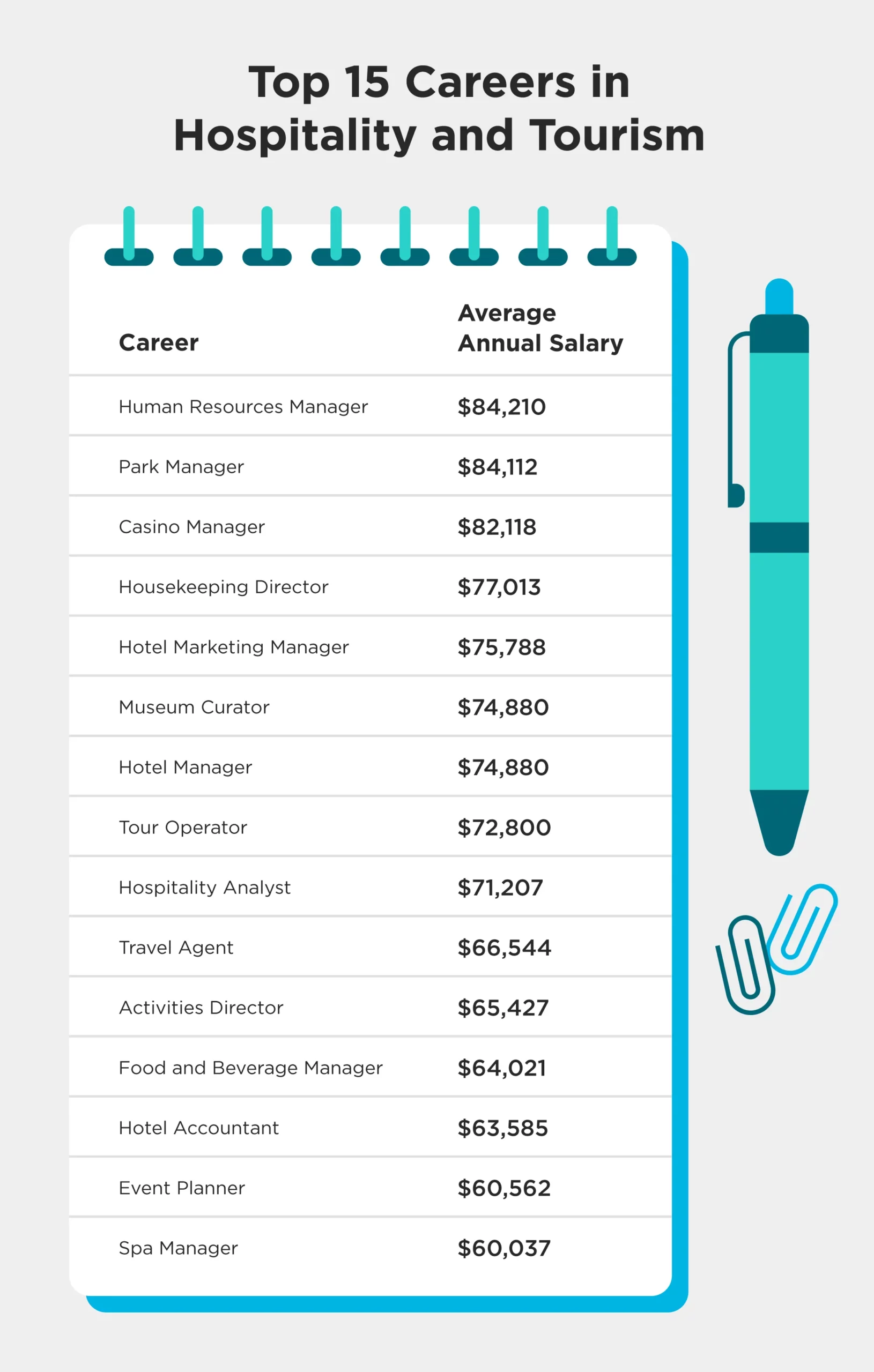
Understanding Property-Level Job Density
The number of available jobs at any given time depends heavily on the size, classification, and operational model of the property.
- Small Boutiques: A boutique urban hotel featuring 50 rooms might employ a lean staff of 25 to 40 people, translating to a relatively low number of immediate openings during standard turnover periods.
- Large-Scale Resorts: Comprehensive destinations like Disneyland Resort or the Bellagio in Las Vegas operate like small cities. These mega-resorts routinely employ thousands of individuals on a single property, meaning their rolling hiring needs constantly feature dozens—if not hundreds—of open positions across various departments.
Seasonal Fluctuations and Hiring Surges
Employment availability in resorts is heavily tied to seasonal demand. Properties located in prime winter destinations like Aspen or tropical summer hotspots like Maui experience massive employment surges twice a year. During peak seasons, resorts may expand their permanent workforce by 30% to 50% through seasonal contracts. This creates thousands of temporary job openings for front-desk agents, ski instructors, spa therapists, and food service professionals.
Departmental Breakdown of Hotel and Resort Careers
A hotel or resort is not merely a place where people sleep; it is a complex operational network combining real estate management, culinary arts, entertainment, wellness, and logistics. Because of this multifaceted nature, available jobs span a wide spectrum of skill sets and educational backgrounds.
Rooms Division and Front Office
The rooms division forms the backbone of guest relations. Available jobs in this category include:
- Front Desk Agents and Supervisors: The primary point of contact for checking guests in and out.
- Concierge Staff: Local experts who curate experiences, book excursions, and secure reservations at fine dining establishments.
- Housekeeping and Room Attendants: Often representing the largest segment of a hotel’s workforce, these teams ensure that accommodations meet pristine cleanliness standards.
- Guest Relations Managers: Professionals dedicated to resolving issues, handling VIP requests, and ensuring high guest satisfaction scores.
Food and Beverage (F&B) Operations
For many luxury properties, such as those found in Bora Bora or Paris, culinary excellence is a major selling point. The F&B department offers a high concentration of available jobs, ranging from entry-level roles to highly specialized positions.
- Culinary Team: Executive chefs, sous chefs, line cooks, pastry chefs, and kitchen stewards.
- Service Staff: Food and beverage servers, bussers, hosts, and sommeliers.
- Banquet and Event Operations: Event coordinators, banquet captains, and setup crews who manage weddings, corporate retreats, and large-scale galas.

Wellness, Recreation, and Entertainment
Modern resorts differentiate themselves through amenities, creating a wealth of specialized job opportunities outside traditional hospitality roles.
- Spa and Fitness Professionals: Licensed massage therapists, estheticians, yoga instructors, and personal trainers.
- Recreation Coordinators: Staff who manage golf courses, tennis courts, water sports rentals, and children’s activity clubs.
- Entertainment Staff: DJs, live musicians, and event hosts hired to maintain a vibrant atmosphere for guests.
Behind the Scenes: Corporate, Administrative, and Technical Roles
While guest-facing roles are the most visible, a vast percentage of hotel and resort jobs exist behind the scenes. These positions keep the property legally compliant, financially viable, and technologically secure.
Administrative and Financial Management
Every property requires a corporate infrastructure to manage its business affairs. Available careers here include:
- General Managers (GMs): The chief executives of the property, responsible for overall profitability and brand standards.
- Revenue Managers and Analysts: Specialists who optimize room pricing strategies based on market demand, competitor analysis, and historical data.
- Sales and Marketing Teams: Professionals who secure corporate accounts, travel agency partnerships, and group bookings.
- Human Resources (HR): Recruiters, trainers, and payroll specialists who manage the employee lifecycle.
Engineering, Maintenance, and Security
Keeping a massive resort operational requires round-the-clock technical support.
- Facilities Engineers and Maintenance Technicians: Plumbers, electricians, and HVAC specialists who handle preventative maintenance and emergency repairs.
- Security Personnel: Teams responsible for physical safety, asset protection, and crowd control.
- IT Specialists: Technicians who manage high-speed internet networks, digital key systems, and in-room entertainment technology.
Factors Influencing Job Availability and Career Growth
The number of open jobs in the hotel and resort sector fluctuates based on broader economic trends, technological advancements, and shifting travel habits.
Post-Pandemic Labor Dynamics
The global travel rebound has led to a sustained labor shortage across many traditional hospitality markets. Properties in major travel hubs such as London, New York City, and Tokyo have continuously reported open positions, increasing recruitment efforts and offering more competitive compensation packages, flexible scheduling, and enhanced benefits to attract talent.
The Role of Technology in Hotel Staffing
Technology is reshaping how hotels operate, which in turn alters the landscape of available jobs. While automated check-in kiosks and mobile room keys have reduced the demand for routine front-desk processing, they have simultaneously increased the need for skilled IT professionals, digital marketing experts, and data analysts. Furthermore, luxury properties continue to emphasize high-touch, personalized human service, ensuring that warm, interpersonal roles remain in high demand.

Pathways for Advancement
One of the most appealing aspects of the hotel and resort industry is the abundance of entry-level jobs that serve as stepping stones to executive leadership. It is common for general managers to have started their careers as front desk agents or line cooks. Major hospitality conglomerates offer structured management training programs designed to fast-track motivated individuals into leadership roles, making the sector exceptionally mobile for career-driven professionals.
Ultimately, the number of available jobs in hotels and resorts remains exceptionally high at any given time. Whether seeking seasonal employment in a scenic mountain retreat or a long-term corporate career in a bustling metropolis, the global hospitality industry offers a diverse and expanding marketplace for job seekers at every skill level.
LifeOutOfTheBox is a participant in the Amazon Services LLC Associates Program, an affiliate advertising program designed to provide a means for sites to earn advertising fees by advertising and linking to Amazon.com. Amazon, the Amazon logo, AmazonSupply, and the AmazonSupply logo are trademarks of Amazon.com, Inc. or its affiliates. As an Amazon Associate we earn affiliate commissions from qualifying purchases.