
For travelers planning their next getaway to the Pacific Northwest, understanding the local economic landscape is a key part of budget management. One of the most frequently asked questions by visitors heading to Oregon is whether or not they will be paying sales tax on their purchases. Whether you are shopping for artisan goods in Portland, dining out at local bistros, or picking up gear for an outdoor excursion, knowing the tax rules can significantly impact your travel budget.
The Oregon Tax Advantage: A Shopper’s Paradise
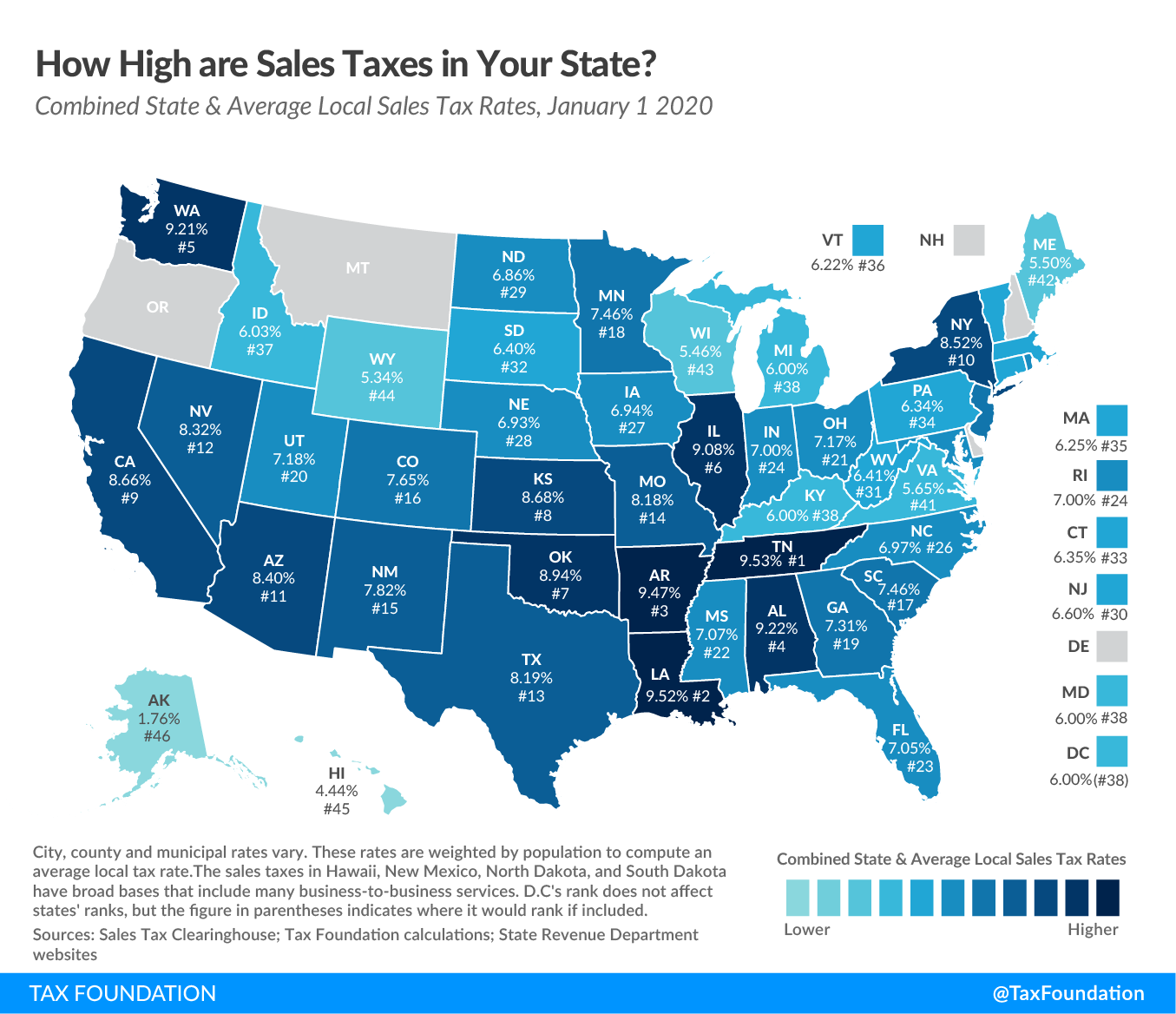
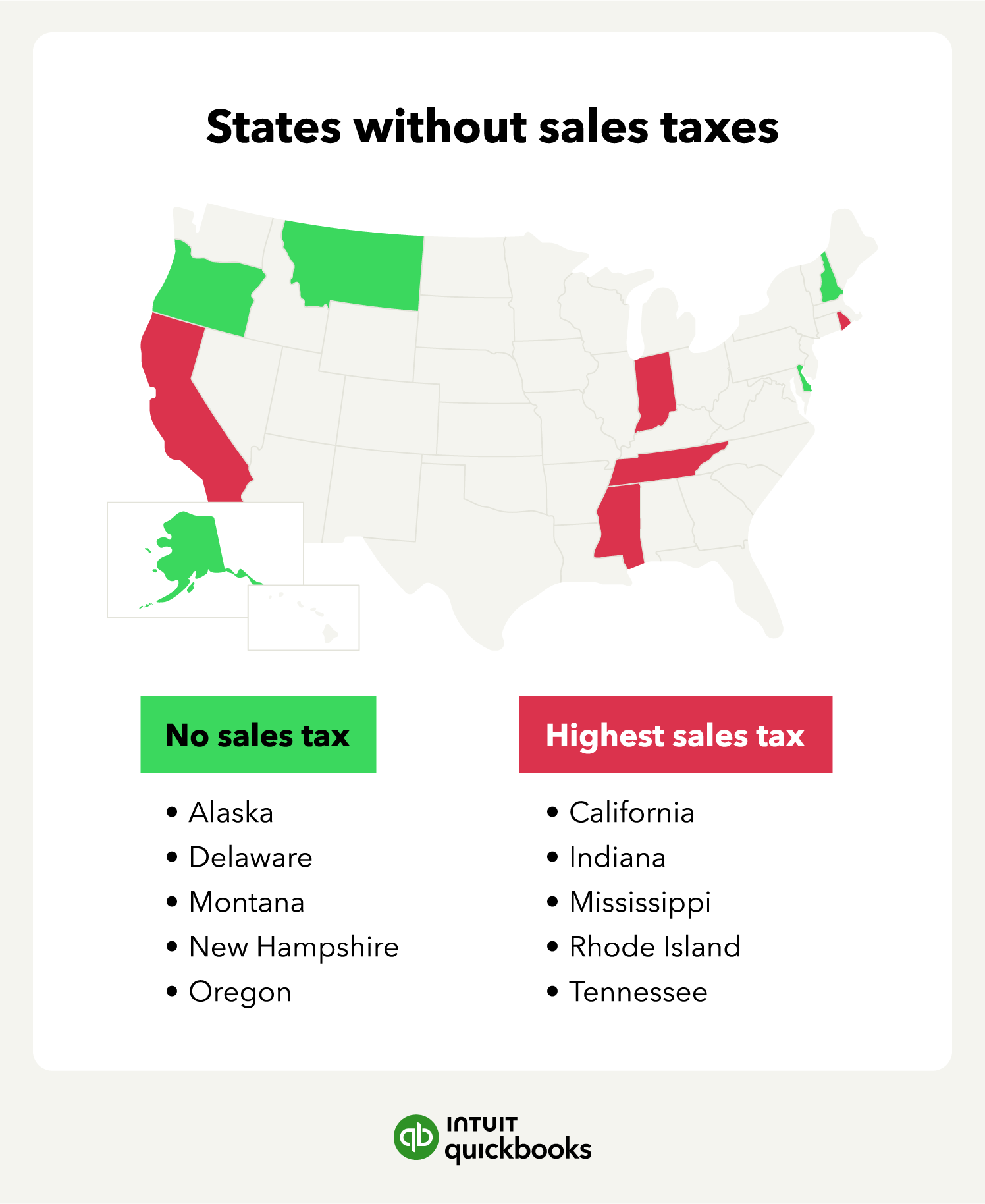
The short answer to the question is no: Oregon does not impose a statewide sales tax. This unique policy makes the state a highly attractive destination for consumers looking to maximize the value of their travel dollars. Unlike many other states in the United States, where the final price at the register often includes a surprise tax addition, the price you see on the tag is the final price you pay in the Beaver State.
How It Impacts Your Daily Expenses
When you visit cities like Bend or Eugene, every dollar you spend is protected from the typical add-on costs that plague tourists elsewhere. This is particularly beneficial for travelers who are planning significant purchases, such as high-end outdoor equipment for exploring the Cascade Range or local artwork from independent creators. Because there is no sales tax, you are essentially getting a discount compared to buying the same items in neighboring states like Washington or California.
Budgeting for Your Trip
Since you don’t have to account for sales tax, your travel budget becomes much easier to manage. You can accurately predict your spending on food, souvenirs, and retail purchases. This transparency allows for more accurate financial planning when visiting popular spots like Cannon Beach or touring the famous vineyards in the Willamette Valley.
Navigating Local Variations and Special Fees
While there is no general sales tax in Oregon, it is important for the savvy traveler to distinguish between a “sales tax” and other types of local fees. Understanding these nuances will ensure you are not caught off guard during your vacation.
Understanding Lodging Taxes
While retail sales are tax-free, most cities and counties in Oregon do impose a “Transient Lodging Tax.” If you are booking a stay at a boutique hotel in Astoria or a cozy cabin near Mount Hood, you will see this reflected on your final bill. This tax is specifically for short-term accommodations and supports tourism infrastructure, parks, and local municipal services. It is not a sales tax on your everyday purchases, but it is a necessary line item for any traveler calculating their hotel costs.

Prepared Food and Beverages
In some instances, local municipalities may have specific levies on certain types of prepared food or beverages. However, this is distinct from the comprehensive sales tax found in other regions. In places like Salem, your restaurant receipts will remain largely free of added taxes, save for any local surcharges that might apply to specific districts. Always check your receipt to understand the breakdown, but rest assured that you are generally protected from the high retail markups seen in other major tourist destinations.
Shopping Without the Burden: Tips for Tourists
Traveling to Oregon offers a unique retail experience that rewards both the budget-conscious traveler and the luxury shopper. Because the state maintains this tax-free status, it has fostered a vibrant ecosystem of independent boutiques, outlet malls, and local markets that thrive on this competitive advantage.
Maximizing Value at Outlet Malls
If you are planning to shop for apparel or footwear, heading to large shopping centers like the Woodburn Premium Outlets is a strategic move. Visitors from states where sales tax can reach upwards of 10% find that they can save enough on a single large shopping trip to effectively pay for a portion of their accommodation costs. This makes the state an ideal “shopping destination” for those looking to refresh their wardrobe or pick up high-value electronics and household goods.
Supporting Local Artisans
The absence of sales tax creates an environment where small businesses can thrive. When you browse the stalls at the Portland Saturday Market, you are paying the artist exactly what they have marked on their work. This fosters a closer connection between the visitor and the local culture, as there are no hidden barriers or unexpected costs at the point of purchase. It is a refreshing way to experience the local economy in North America.
Why Oregon Remains Unique
The decision by Oregon to eschew a sales tax is a long-standing legislative choice that defines the state’s character. For the traveler, this is more than just a fiscal convenience; it is a cultural touchstone that reflects a focus on simplicity and accessibility.
The Impact on the Visitor Experience
When you arrive in the Pacific Northwest, the lack of sales tax sets the tone for a trip defined by ease. You can spend your time worrying about which trail to hike in Crater Lake National Park or which winery to visit in Dundee rather than calculating taxes on your lunch. This adds an extra layer of comfort to your journey.
Strategic Planning for Future Visits
For those who frequent Oregon for business or leisure, keeping the sales tax status in mind is a smart move. Whether you are staying at the The Nines Hotel or visiting the Oregon Museum of Science and Industry, you can enjoy your time knowing that the prices you encounter are straightforward.
As you plan your itinerary, whether you are visiting the rugged coastlines or the high deserts, take advantage of the shopping opportunities available. The state invites you to explore, dine, and shop without the traditional retail friction. By understanding the tax-free status of the state, you can better allocate your funds to experience the very best that Oregon has to offer, ensuring your trip is as cost-effective as it is memorable. From the bustling streets of Portland to the serene landscapes surrounding Mount Hood, your wallet will surely appreciate the tax-free difference.
LifeOutOfTheBox is a participant in the Amazon Services LLC Associates Program, an affiliate advertising program designed to provide a means for sites to earn advertising fees by advertising and linking to Amazon.com. Amazon, the Amazon logo, AmazonSupply, and the AmazonSupply logo are trademarks of Amazon.com, Inc. or its affiliates. As an Amazon Associate we earn affiliate commissions from qualifying purchases.