
Choosing a long-term hotel stay instead of a traditional residential lease has become an increasingly popular option for digital nomads, remote workers, and individuals in between permanent housing solutions. Opting for a monthly hotel arrangement eliminates utility bills, furniture shopping, and rigid lease agreements. However, calculating the exact cost requires looking beyond a standard nightly rate. The financial investment varies dramatically based on geographic location, brand tier, seasonality, and the specific amenities included in the package. Understanding these financial dynamics ensures you can budget effectively for an extended stay at destinations worldwide, whether you are settling down in New York City or exploring the beaches of Bali.

Average Cost Factors and Pricing Structures
When evaluating how much a hotel room costs for a month, the first step is understanding how hotels price extended stays. Traditional nightly rates multiplied by thirty days will almost always result in an inflated, unsustainable figure. Instead, hospitality properties rely on tiered pricing models designed to reward longer commitments.
Nightly Rates vs. Monthly Rates
Multiplying a standard nightly rate of $150 by thirty yields a staggering total of $4,500. Fortunately, most properties offer steep discounts for guests booking thirty days or more. Extended-stay brands like Residence Inn or Homewood Suites typically slash their rates by 20% to 50% for monthly bookings. This reduction reflects lower operational and turnover costs for the hotel housekeeping and front desk staff.
Hidden Fees and Taxes
While the base rate might look attractive, calculating the true monthly expense requires accounting for ancillary costs. Depending on local laws in cities like London or Paris, occupancy taxes can add a significant percentage to the bill. However, many jurisdictions waive or reduce hotel taxes for stays exceeding a specific threshold, such as thirty consecutive days. Additionally, guests must inquire about resort fees, parking charges, and pet deposits, which can easily inflate the monthly budget by hundreds of dollars.
Price Breakdown by Hotel Tiers and Global Locations
The cost of a monthly hotel stay fluctuates wildly depending on the caliber of the accommodation and the economic landscape of the destination.
Budget and Economy Properties
For travelers prioritizing affordability, economy brands like Motel 6 or regional budget chains offer basic rooms with minimal amenities. In secondary markets across the United States or parts of Eastern Europe, a monthly budget stay can cost anywhere from $900 to $1,500. These rooms typically feature a bed, a small desk, and a television, though kitchen facilities are rarely included, meaning guests must factor dining out into their monthly living expenses.
Mid-Range and Extended-Stay Brands
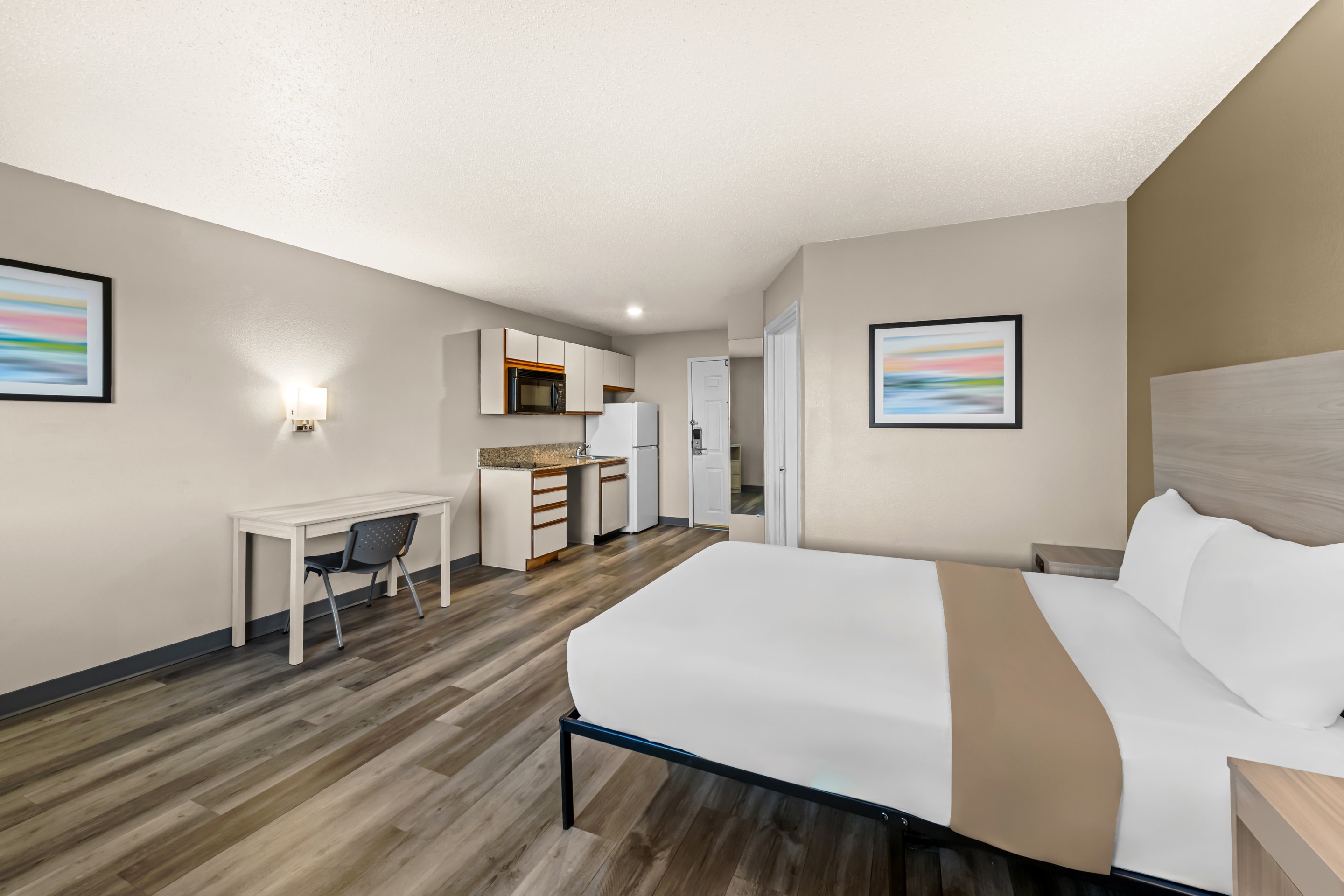
Mid-range extended-stay hotels strike a balance between comfort and financial sensibility. Properties like Marriott or Hilton provide apartment-style layouts complete with fully equipped kitchenettes, separate workspaces, and weekly housekeeping. In major metropolitan areas like Chicago or Toronto, a monthly stay in a mid-range hotel generally ranges from $2,000 to $3,500. In lower-cost regions such as Southeast Asia or Latin America, equivalent comfort can be secured for $600 to $1,200 per month.

Luxury and Boutique Hotels
For those seeking high-end luxury, brands like the Ritz-Carlton or the Four Seasons offer upscale monthly living packages. These accommodations include premium room service, concierge support, spa access, and daily cleaning. In global hubs like Tokyo or Dubai, luxury monthly hotel living can easily range from $6,000 to well over $15,000, rivaling the cost of high-end luxury penthouses.
Amenities Included vs. Apartment Rentals
To determine if a monthly hotel stay makes financial sense, it is crucial to compare its value proposition against a traditional apartment rental.
Utility and Service Savings
Unlike a standard apartment lease, a monthly hotel rate is all-inclusive. Guests do not need to open separate accounts for electricity, water, high-speed Wi-Fi, or trash removal. Furthermore, services like fitness center access, swimming pools, and routine linen changes are built directly into the flat monthly fee. When calculating the true cost of an apartment, one must add application fees, furniture rental, utility deposits, and internet setup costs, which frequently narrow the price gap between renting an apartment and booking a hotel.
Flexibility and Lack of Commitments
Traditional leasing requires credit checks, guarantor forms, and rigid cancellation policies. Hotels offer unparalleled flexibility, allowing guests to extend their stay week by week or check out early without facing severe legal penalties. For professionals on temporary work assignments or digital nomads testing out a new city like Sydney, this flexibility holds immense monetary and psychological value.
Strategies for Negotiating Lower Monthly Hotel Rates
Securing the best possible price for a month-long hotel stay requires proactive communication and strategic planning. Utilizing online booking engines will only display standard retail prices; the deepest discounts are often secured offline.
Direct Contact and Loyalty Programs
Contacting the hotel manager or corporate sales department directly yields the best results. Properties prefer booking reliable guests for thirty days straight over managing a revolving door of weekend tourists. Mentioning your loyalty status with brands like IHG or Hyatt can also unlock unadvertised corporate rates, complimentary breakfast upgrades, or waived resort fees.
Timing and Seasonality
Just as with traditional tourism, hotel pricing follows seasonal curves. Booking a monthly stay in Rome during the peak summer tourist rush will cost a premium, whereas booking during the shoulder season or winter months can slash rates in half. Traveling during off-peak times gives guests immense leverage to negotiate custom long-term pricing packages.
Ultimately, living in a hotel for a month is an investment in convenience, flexibility, and comfort. While prices can range from under $1,000 in affordable international hubs to upwards of $10,000 in premier global destinations, the absence of hidden utility bills and lease constraints makes it an attractive alternative to traditional housing. By researching properties thoroughly, negotiating directly with management, and factoring in local taxes, travelers can successfully secure a comfortable home away from home.
LifeOutOfTheBox is a participant in the Amazon Services LLC Associates Program, an affiliate advertising program designed to provide a means for sites to earn advertising fees by advertising and linking to Amazon.com. Amazon, the Amazon logo, AmazonSupply, and the AmazonSupply logo are trademarks of Amazon.com, Inc. or its affiliates. As an Amazon Associate we earn affiliate commissions from qualifying purchases.