
For millions of visitors who flock to New York City every year, the sight of a uniformed officer is as iconic as the yellow taxis or the towering skyscrapers of Manhattan. Whether you are strolling through Times Square or exploring the quiet paths of Central Park, the presence of law enforcement is a constant backdrop to the bustling life of the metropolis. Understanding the scale of the police force that watches over this global hub offers a fascinating look into the logistical complexity required to keep one of the world’s most vibrant tourism destinations running safely.
The Scale of the NYPD: A Force Like No Other
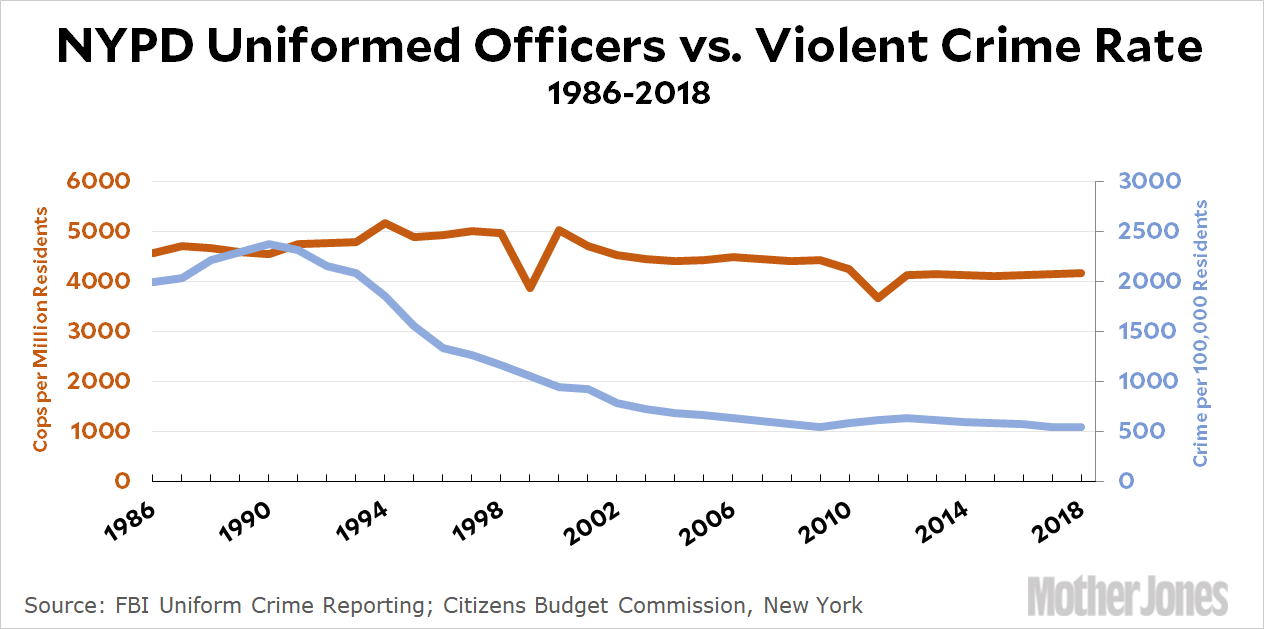
The New York City Police Department, commonly referred to as the NYPD, stands as the largest municipal police force in the United States. With a workforce that typically fluctuates between 30,000 and 35,000 sworn officers, the department is tasked with protecting over eight million residents and the tens of millions of tourists who pass through the city annually.
Understanding Personnel Fluctuations
The exact number of officers is rarely static. Like any massive organization, the NYPD experiences natural attrition through retirements, resignations, and the completion of training academy cycles. Budgetary allocations and city council priorities often dictate the hiring capacity for incoming recruit classes. For the casual observer visiting landmarks like the Empire State Building or the Statue of Liberty, the sheer visibility of the force provides a sense of security, but the numbers behind that visibility represent an intricate system of patrols, specialized units, and administrative oversight.
Beyond the Badge: Civilian Support
It is important to distinguish between sworn officers—those with arrest powers—and the civilian workforce. The NYPD employs thousands of civilian staff members, including traffic enforcement agents, school safety agents, and administrative specialists. When people ask how many police officers the city has, they are usually referring to the uniformed personnel, but the true operational power of the department relies on a broader network of professionals that extends well beyond the front lines.
Patrol Strategy in Major Tourist Districts
The density of the police presence in New York City is not distributed evenly. Instead, it is concentrated in high-traffic zones where tourism, commerce, and transportation intersect. For a tourist, this means that while you might rarely see an officer in a quiet residential corner of Queens or Staten Island, you will almost certainly encounter multiple officers in major transit hubs and cultural centers.
The Transit Hub Presence
Transportation centers such as Grand Central Terminal and Penn Station are treated as critical infrastructure. Here, the NYPD often partners with transit police units to ensure the safety of commuters and international travelers alike. This layered approach to security is a hallmark of the city’s strategy, ensuring that visitors navigating their way from John F. Kennedy International Airport or LaGuardia Airport feel the weight of a professional, organized presence.

Iconic Landmarks and High-Visibility Policing
The strategy of “high-visibility policing” is particularly evident at cultural landmarks. Locations such as the Brooklyn Bridge and the 9/11 Memorial & Museum require constant monitoring due to their status as global symbols. By stationing officers at these focal points, the department achieves two goals: they provide immediate assistance to visitors who may have questions or need directions, and they maintain a deterrent presence that contributes to the city’s overall reputation for safety.
The Role of Policing in NYC Tourism
Tourism is the lifeblood of New York City, and the safety of that industry is treated with significant priority. The relationship between the police and the city’s millions of annual visitors is unique; officers are often the first point of contact for a traveler in distress or someone simply looking for the best way to reach Broadway.
Community Interaction and Assistance
While the primary objective of the NYPD is crime prevention and public safety, a significant portion of an officer’s daily duty involves service-oriented tasks. In districts like Midtown Manhattan, it is common to see tourists approaching officers to ask for directions to the Museum of Modern Art or the nearest subway entrance. This soft-touch approach to policing helps maintain the welcoming atmosphere required to keep New York City a top global destination.
Adapting to Large-Scale Events
New York is a city of constant activity, from the Macy’s Thanksgiving Day Parade to the annual celebrations in Rockefeller Center. These events require massive redeployment of the force. During these times, the number of officers seen on the streets increases dramatically. This operational flexibility is only possible because of the size of the department. The ability to shift resources from patrol beats in The Bronx or Brooklyn to the center of the action is what allows the city to host massive crowds without sacrificing general safety standards in the outer boroughs.
Looking Toward the Future of City Safety
The makeup and size of the NYPD continue to evolve alongside the city itself. As technology plays a larger role in public safety—through surveillance, data analytics, and coordinated communication networks—the department’s focus is shifting from simple headcount to technological efficiency.
Balancing Technology and Human Presence
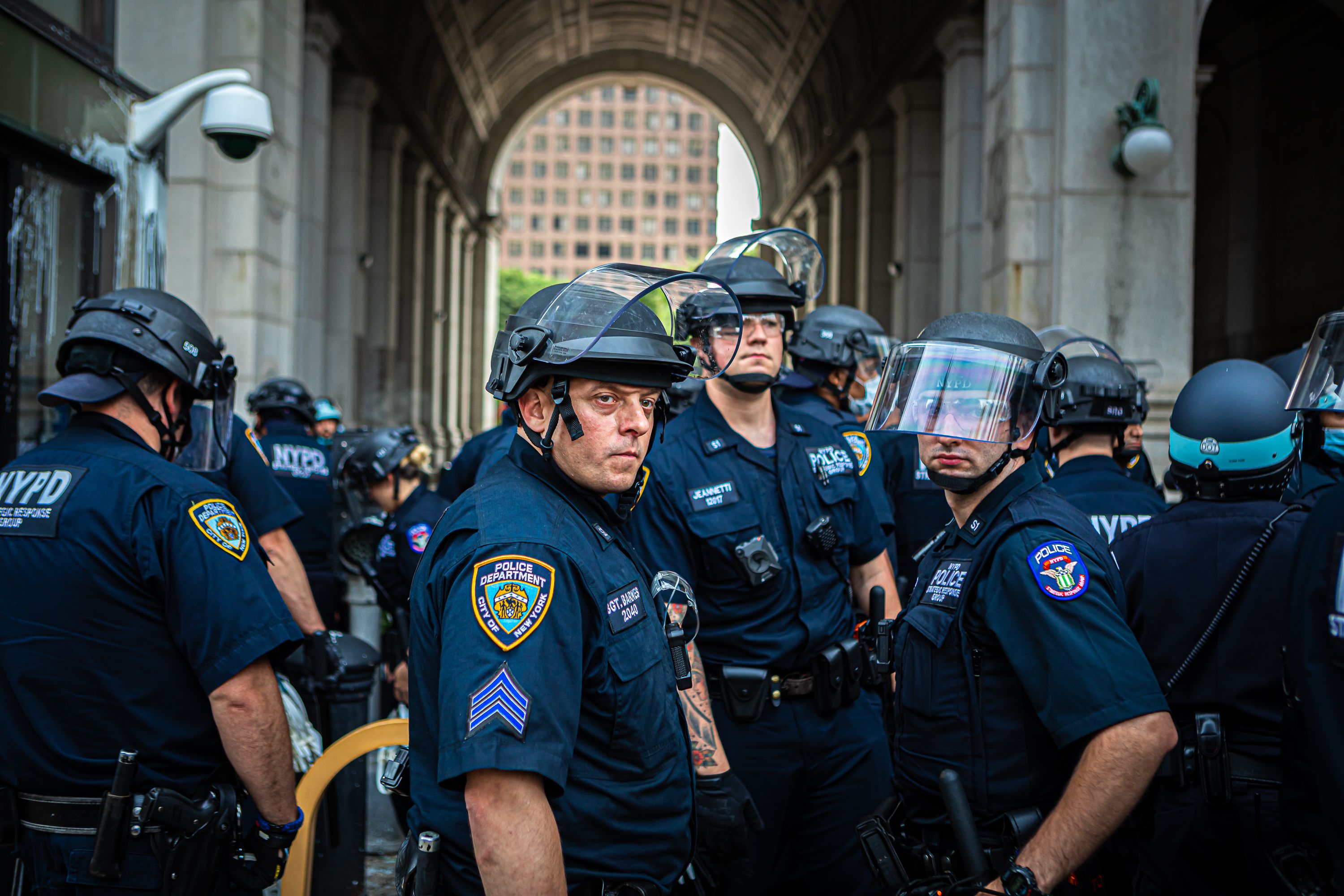
While the number of officers remains a key metric for many, the quality and training of the force are increasingly prioritized. Today’s officers are expected to be more than just protectors; they are expected to be community liaisons, conflict mediators, and, in many ways, ambassadors for the city. When you walk through Fifth Avenue or dine in Greenwich Village, the officer you pass is part of a complex, adaptive organism that is constantly calibrating its strength to meet the demands of a modern, fast-paced society.
A Reliable Backbone for Travelers
For those planning a trip, the takeaway is clear: the city is heavily invested in its own security. The thousands of officers deployed across the five boroughs serve as a reliable backbone for the tourism industry. By understanding that there are tens of thousands of professionals working around the clock to manage the urban flow, travelers can focus more on the excitement of their trip—whether that involves catching a show in the Theater District or enjoying the vibrant energy of Chinatown—with the confidence that they are in one of the most thoroughly monitored cities in the world.
In summary, the specific number of police officers in New York City is a figure that serves as a testament to the scale of the metropolis. From the World Trade Center to the High Line, the presence of law enforcement is woven into the very fabric of the visitor experience, ensuring that the city remains an open, accessible, and safe destination for people from every corner of the globe.
LifeOutOfTheBox is a participant in the Amazon Services LLC Associates Program, an affiliate advertising program designed to provide a means for sites to earn advertising fees by advertising and linking to Amazon.com. Amazon, the Amazon logo, AmazonSupply, and the AmazonSupply logo are trademarks of Amazon.com, Inc. or its affiliates. As an Amazon Associate we earn affiliate commissions from qualifying purchases.