
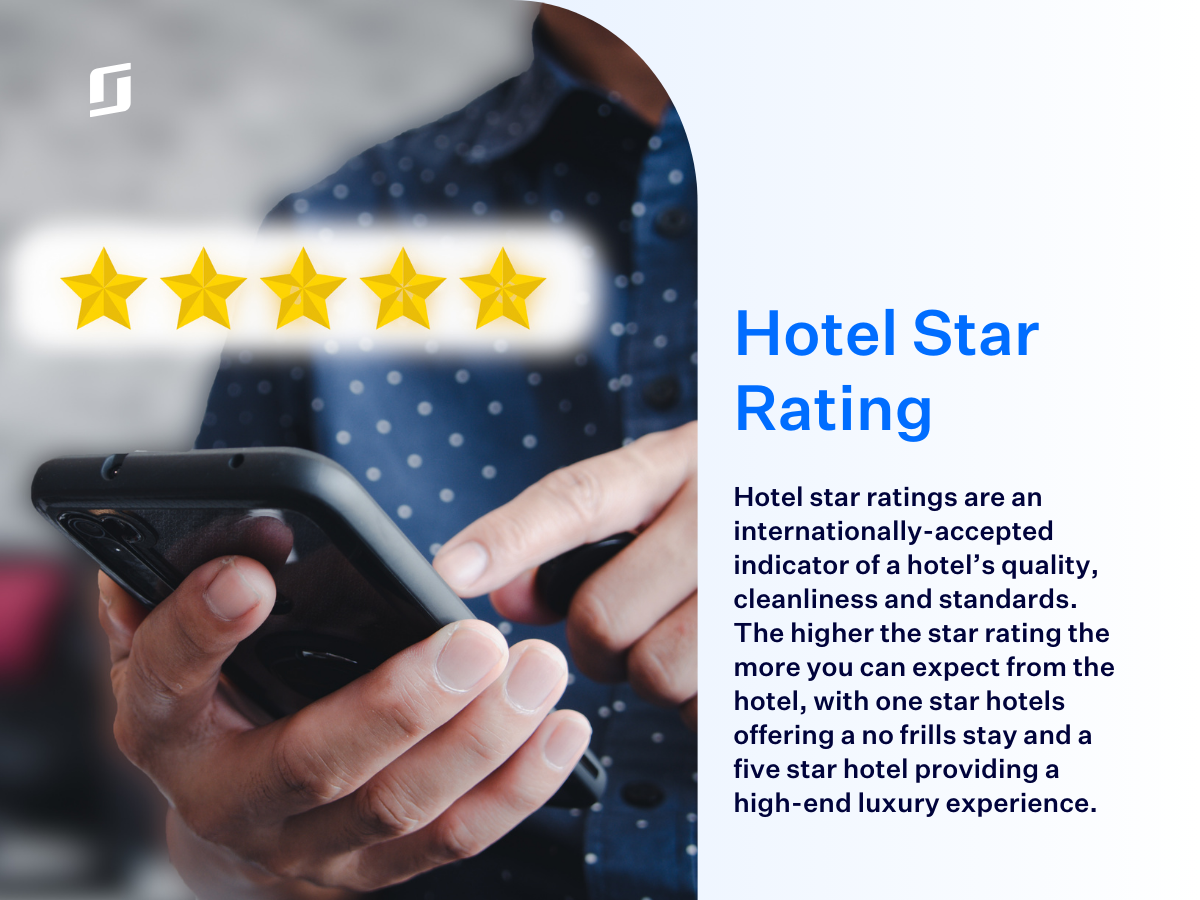
When planning a getaway, booking a luxury suite at the Ritz-Carlton or finding a cozy boutique stay in Paris usually begins with checking star ratings. Travelers have come to rely on these symbols as a universal shorthand for quality, luxury, and service. Yet, despite their ubiquity on booking platforms, the actual mechanics behind how hotels earn these prestigious ratings remain mysterious to many guests. Unlike a movie review or a crowd-sourced score on Tripadvisor, official star ratings are rarely handed out by algorithms or online opinions. Instead, they are the result of rigorous, standardized evaluations governed by distinct governing bodies, tourism ministries, and independent auditing agencies around the globe. Understanding this complex ecosystem illuminates the precise standards required to achieve everything from a modest one-star designation to the ultimate five-star status.

The Evolution and Purpose of Hotel Classifications
The concept of grading lodging facilities dates back decades, initially conceived to protect travelers and establish a baseline of safety, cleanliness, and comfort. Historically, a traveler arriving in an unfamiliar city like London or New York had no reliable way to gauge whether a property met basic hygiene and structural standards before walking through the doors. Star ratings emerged to solve this informational asymmetry, offering a transparent guide that transcended language barriers and regional marketing gimmicks.
Global Standards Versus Local Discrepancies
One of the most common misconceptions among travelers is that a four-star hotel in Tokyo offers the exact same experience as a four-star property in Rome. In reality, there is no single global governing body that standardizes star ratings worldwide. While the World Tourism Organization has made efforts to encourage international harmonization, hotel classification systems remain deeply fragmented.
- Government-Led Systems: Many countries, particularly in Europe, rely on official state tourism boards or government-mandated bodies to inspect and award stars.
- Association-Led Systems: In regions like North America, organizations such as the American Automobile Association and Forbes Travel Guide have historically set the benchmark through independent, anonymous inspections.
- Private and OTA Overlap: Online travel agencies sometimes apply internal algorithms or self-reported metrics to display stars where official government ratings do not exist, occasionally confusing consumers.
The Evaluation Process: Who Inspects the Inspectors?
Earning a star rating is not a passive process; it requires proactive application, substantial investment, and adherence to exhaustive checklists. Properties wishing to be officially rated must invite professional evaluators to conduct comprehensive audits. These inspectors operate under strict anonymity to ensure they experience the exact same service, cleanliness, and hospitality as any ordinary guest checking into the Four Seasons or a smaller independent lodge.
The Methodology of Anonymous Audits
Professional hospitality inspectors do not simply glance at the lobby decor and hand out a score. They evaluate hundreds—sometimes over a thousand—individual criteria during a multi-day stay. An inspector will test the responsiveness of room service at midnight, check the water pressure in the shower, scrutinize the ironing of the bed linens, and evaluate the staff’s foreign language capabilities and emotional intelligence. Every interaction, from the initial valet greeting to the final billing process at checkout, is weighed against a rigid rubric.
Physical Infrastructure Versus Soft Skills
As the hospitality industry has evolved, the criteria for star ratings have shifted dramatically. Decades ago, earning high marks depended almost entirely on physical infrastructure: the square footage of the room, the presence of a bathtub, marble finishes in the bathroom, and the richness of the lobby furnishings. Today, while physical amenities still matter immensely, modern rating systems place a heavy emphasis on “soft skills”—the intangibles of hospitality. Properties in destinations like Dubai or Singapore must demonstrate flawless personalized service, digital integration, sustainability practices, and cultural attentiveness to secure the highest accolades.

Breaking Down the Star Tiers: What Each Level Truly Means
To appreciate how hotels achieve their ratings, it is helpful to examine what inspectors look for across the distinct tiers of the classification spectrum. Each additional star represents a geometric increase in required amenities, staff-to-guest ratios, and operational hours.
One to Two Stars: Essential Comfort and Value
Properties sitting at the one- and two-star level focus strictly on the fundamentals. Inspectors look for:
- Clean, secure, and well-maintained private or shared rooms.
- Basic furnishings, including a bed, a chair, and adequate lighting.
- Essential sanitation facilities, which may be en-suite or shared down the hall for one-star properties.
- Convenient access to public transportation or primary roadways, catering primarily to budget-conscious travelers and backpackers exploring historic cities like Prague or Berlin.
Three Stars: Comfort, Space, and Expanded Services
A three-star rating bridges the gap between basic shelter and a comfortable, guest-centric experience. Hotels aiming for this tier must provide:
- Dedicated en-suite bathrooms in every guest room, complete with toiletries and fresh towels daily.
- On-site dining options, typically featuring a breakfast room or casual restaurant.
- Enhanced room amenities, such as a television, a telephone, and workspace furniture.
- Professional reception staff available for extended hours, ensuring smooth check-ins for guests arriving from international hubs like Heathrow Airport.
Four Stars: Superior Quality and Upscale Amenities
Stepping into the four-star category introduces a high degree of luxury, design sophistication, and comprehensive guest services. Inspectors at properties like the Marriott look for:
- Generous room dimensions with high-end interior design and premium bedding.
- 24-hour reception desk and concierge services to assist with reservations and travel arrangements.
- Comprehensive on-site facilities, including a fitness center, wellness spa, and upscale dining establishments.
- Valet parking, room service, and laundry services available to meet the demands of corporate travelers and discerning vacationers.
Five Stars: Uncompromising Luxury and Personalized Excellence
The elusive five-star rating represents the pinnacle of global hospitality. Achieving this status requires absolute perfection across every measurable metric. Properties must offer:
- Impeccable architectural elegance, exquisite interior finishes, and expansive suites.
- An exceptionally high staff-to-guest ratio, ensuring that every conceivable whim is anticipated and fulfilled instantly.
- Multiple world-class dining options, ranging from casual cafes to Michelin-starred restaurants.
- Comprehensive luxury amenities, including indoor or outdoor swimming pools, full-service luxury spas, valet services, and personalized butler service.
- Flawless execution of discrete, intuitive service that adapts seamlessly to the unique preferences of high-profile or luxury travelers visiting iconic destinations like the Mandarin Oriental in Hong Kong.
The Future of Hotel Ratings in a Digital Age
As the travel landscape continues to shift, the traditional star-rating system faces new challenges and modernization efforts. Today, guests booking a boutique retreat through platforms like Airbnb or boutique hotel aggregators rely heavily on peer reviews, user-generated star scores, and social media validation alongside or even instead of official ratings.
In response, official rating organizations are adapting. Many European and Asian tourism boards now incorporate digital guest feedback scores into their periodic audits, blending rigorous physical inspections with modern customer satisfaction metrics. Furthermore, emerging trends such as eco-certification and sustainability audits are beginning to influence how properties earn their accolades, reflecting a growing consumer demand for responsible travel.
Ultimately, the process of how hotels get their star ratings is a meticulous blend of science and art. It requires strict adherence to safety, hygiene, and structural guidelines, balanced with the delicate, human-driven art of exceptional hospitality. Whether a traveler is checking into a minimalist eco-lodge or a grand historic palace, understanding the rigorous journey behind those glowing stars provides a deeper appreciation for the craft of global hospitality.
LifeOutOfTheBox is a participant in the Amazon Services LLC Associates Program, an affiliate advertising program designed to provide a means for sites to earn advertising fees by advertising and linking to Amazon.com. Amazon, the Amazon logo, AmazonSupply, and the AmazonSupply logo are trademarks of Amazon.com, Inc. or its affiliates. As an Amazon Associate we earn affiliate commissions from qualifying purchases.