
The path to becoming a licensed real estate professional in Louisiana is a structured journey defined by state regulations and a commitment to professional excellence. As a state known for its unique property laws—rooted in the Napoleonic Code—becoming a realtor here requires a specialized understanding of local governance and the nuances of the regional housing market. Whether you are aiming to facilitate residential sales in New Orleans or manage commercial portfolios in Baton Rouge, the process remains uniform under the oversight of the Louisiana Real Estate Commission.
Meeting the Prerequisites and Educational Requirements
Before you can officially practice, you must satisfy the baseline requirements set by the state. The Louisiana Real Estate Commission mandates that all applicants be at least 18 years of age and hold a high school diploma or its equivalent. Beyond these administrative hurdles, the core of your preparation lies in comprehensive education.
Pre-Licensing Coursework
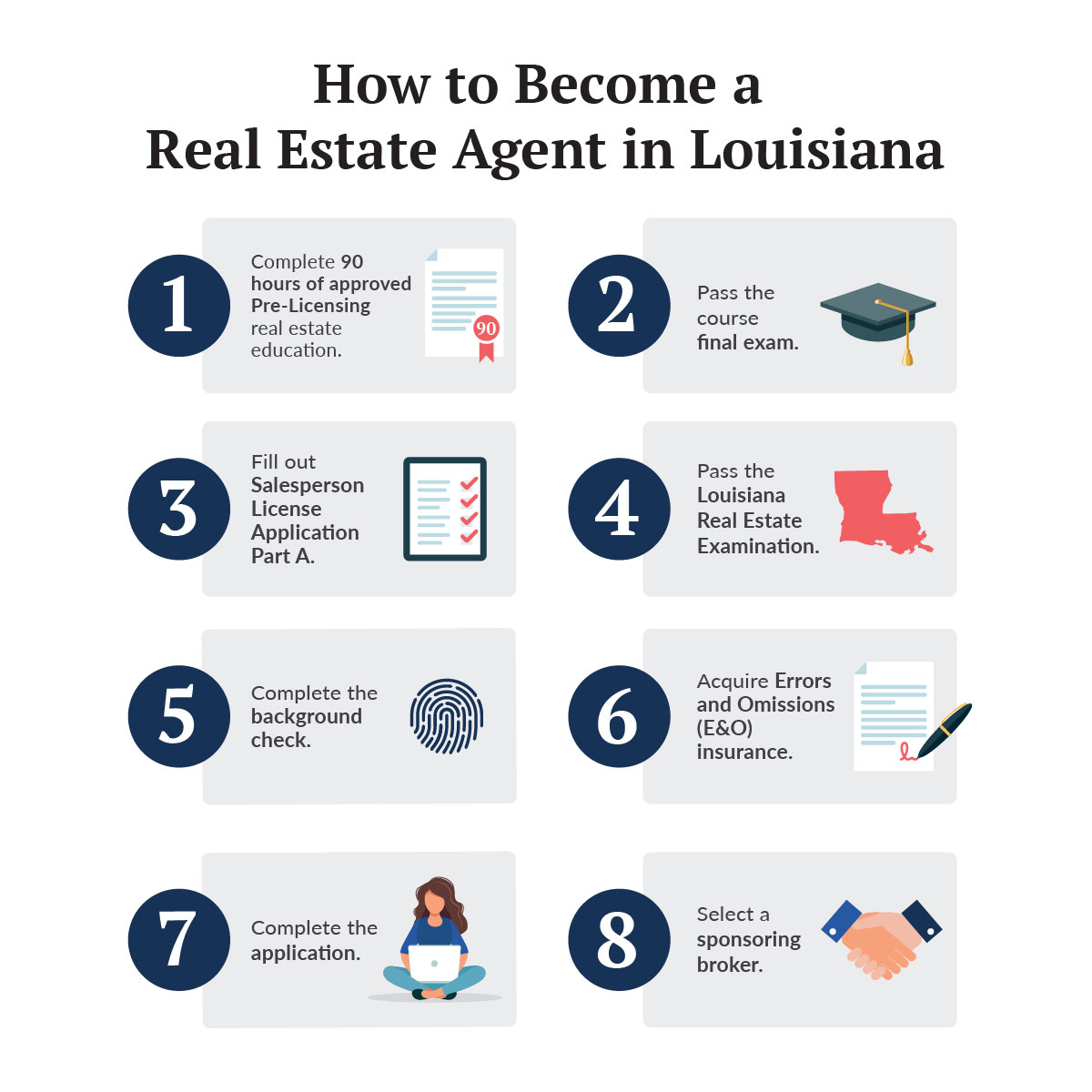
Aspiring realtors are required to complete 90 hours of pre-licensing education at a commission-approved real estate school. This curriculum is designed to provide a foundational grasp of the legal aspects of real estate, agency relationships, contract law, and property management. It is essential to choose an accredited provider that offers a balance of classroom instruction and practical application. These courses often cover the specificities of Louisiana property law, which differs significantly from the common law systems found in most other states.
Examination Prep
Once your education is complete, you must pass the state licensing exam. This two-part assessment evaluates your knowledge of both national real estate principles and Louisiana-specific laws. Candidates should dedicate significant time to reviewing the Louisiana Real Estate License Law and the rules and regulations governing the industry. Many successful candidates utilize test-prep resources to simulate the exam environment, ensuring they are comfortable with both the phrasing of the questions and the time constraints of the testing period.
The Licensing Process and Sponsorship
Passing the exam is a significant milestone, but it is only the first half of the professional journey. The transition from an exam candidate to a licensed realtor involves a clear administrative path that emphasizes accountability and mentorship.
Finding a Sponsoring Broker
In Louisiana, you cannot practice real estate independently as a salesperson immediately upon passing the exam. You must be sponsored by a licensed broker. A sponsoring broker acts as your mentor and supervisor, assuming legal responsibility for your professional activities. When choosing a broker, consider their reputation in local markets like Shreveport or Lafayette. Look for a brokerage that offers robust training programs, administrative support, and access to a reliable inventory of properties. Your relationship with your broker is a career-defining decision that will shape your early success in the industry.
Completing the Application
Once you have secured sponsorship, you will submit your application to the commission. This includes providing proof of your education, evidence of passing your examination, and payment of the required fees. You will also be subject to a background check, which is a standard procedure to ensure the integrity of the profession. Ensure that all documentation is accurate and submitted in a timely manner to avoid unnecessary delays in your licensing timeline.
Navigating the Louisiana Real Estate Market
Once you are officially licensed, the real work of building a career begins. Success in this field requires more than just a license; it requires a deep engagement with the local culture and the economic landscape of your operating region.
Understanding Regional Market Dynamics
The housing market in Lake Charles functions differently than the historic property market in the French Quarter. As a new realtor, you must study your target geography intently. Understand the factors driving property value, such as proximity to the Mississippi River, access to historical landmarks, and the impact of the tourism industry on short-term rental markets. Building a portfolio of expertise in specific neighborhoods will help you establish credibility with both buyers and sellers.
Developing Professional Networks
Networking is the lifeblood of a successful real estate career. Join professional organizations such as the National Association of Realtors, which provides access to advanced training, industry insights, and networking opportunities that can elevate your practice. Engage with local business chambers and community groups. Whether you are hosting an open house in Metairie or coordinating a property walkthrough in Kenner, your professional relationships will be your greatest asset.
Maintaining Your License and Continuing Education
The real estate industry is constantly evolving, influenced by shifts in economic policy, housing technology, and legal updates. To remain a competitive and compliant professional, you must prioritize ongoing development.
Post-Licensing Education
New licensees are required to complete 45 hours of post-licensing education within the first 180 days after receiving their license. This coursework is designed to bridge the gap between classroom theory and real-world application, covering topics such as agency, contracts, and negotiation strategies. It is an intensive period of growth that prepares you for the complexities of active real estate brokerage.
Annual Continuing Education
After your initial post-licensing requirements are met, you must fulfill annual continuing education (CE) requirements to maintain your status. These courses are mandatory and ensure that you stay informed about changes in Louisiana law, ethics, and industry standards. Dedicating time to learning is not just a regulatory obligation; it is a professional commitment to your clients. By staying ahead of market trends, you position yourself as a trusted advisor capable of navigating the most challenging transactions.

Long-term Career Growth
As your career matures, consider diversifying your services. You might expand into commercial real estate, property management, or specialize in historic preservation properties. The Gulf Coast offers a diverse range of opportunities, from industrial developments to luxury residential estates. By maintaining a high standard of ethics and continuously refining your expertise, you will find that the real estate profession in Louisiana is not just a job, but a dynamic and rewarding career path that integrates perfectly with the vibrant lifestyle of the region. Always remember that your reputation is your most valuable currency—build it with integrity, diligence, and a local touch.
LifeOutOfTheBox is a participant in the Amazon Services LLC Associates Program, an affiliate advertising program designed to provide a means for sites to earn advertising fees by advertising and linking to Amazon.com. Amazon, the Amazon logo, AmazonSupply, and the AmazonSupply logo are trademarks of Amazon.com, Inc. or its affiliates. As an Amazon Associate we earn affiliate commissions from qualifying purchases.