
When checking into a hotel in bustling destinations like New York City or historic hubs such as Rome, travelers are often assigned rooms based on availability rather than preference. Receiving a keycard for a corner room situated right next to a stairwell is a common occurrence. While some guests appreciate the extra natural light and lack of neighbors on one side, others immediately wonder about safety, privacy, and security.
Understanding the dynamics of these specific room placements requires looking at architectural layouts, emergency protocols, and modern hospitality standards. Whether you are staying at the luxurious Ritz-Carlton or a boutique property in Tokyo, evaluating the pros and cons of a corner stairwell room helps ensure peace of mind during your travels.
Understanding Hotel Architecture and Emergency Exits
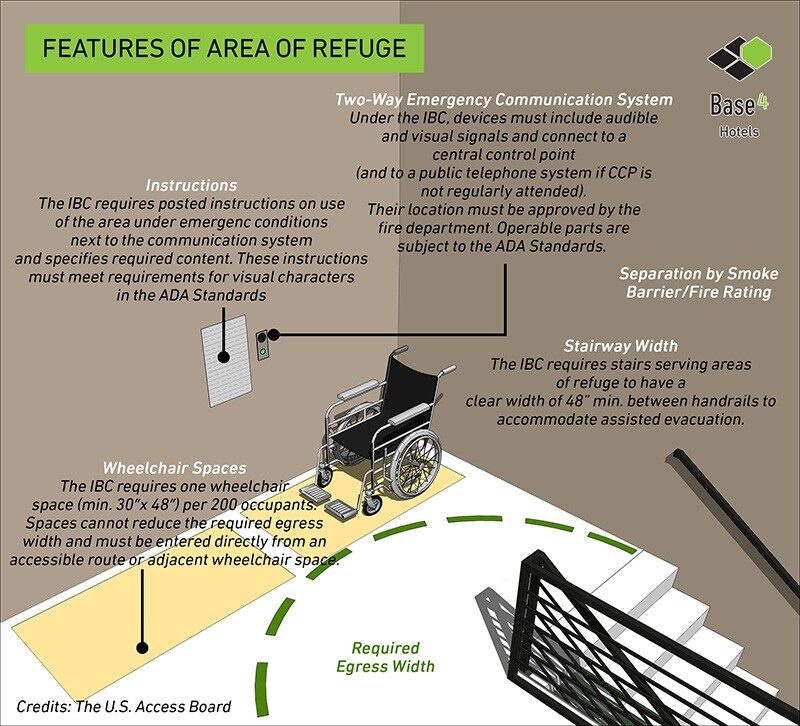
The physical placement of a room at the end of a corridor near an emergency egress route involves specific architectural planning and building codes. Fire safety regulations mandate that hotels provide multiple, easily accessible exit pathways. Consequently, stairwells are strategically positioned at the extremities of hallways to allow rapid evacuation.
Fire Safety and Evacuation Proximity
From a purely emergency standpoint, being located right next to a stairwell is an advantageous position. In the rare event of a fire, smoke, or other building emergencies, you are only a few steps away from the fire escape door. When staying at a sprawling resort in Las Vegas or a high-rise tower in Chicago, minimizing the distance to an exit stairwell drastically reduces evacuation time.
However, this proximity introduces a structural quirk: heavy fire doors. Stairwell doors are mandated to be self-closing and heavy to prevent smoke and flames from spreading into guest hallways. This means the door near your room may frequently latch shut with an audible thud throughout the day and night.
Structural Advantages of Corner Rooms
Corner rooms inherently offer unique architectural layouts. Unlike standard middle-of-the-hallway rooms, corner units typically feature windows on two adjacent walls, flooding the space with natural light and offering better views of the surrounding cityscape or landscape, whether you are overlooking the streets of Paris or the beaches of Miami. Structurally, these rooms share fewer common walls with adjacent guests, which can reduce direct noise transmission from neighboring rooms, though the stairwell traffic introduces a different acoustic variable.
Evaluating Security Risks: Perception vs. Reality
Security is a primary concern for travelers, particularly when booking accommodations in unfamiliar cities across Europe or Asia. The intersection of a corner location and a stairwell often raises red flags for nervous guests.
Unauthorized Access and Tailgating
The most common security worry regarding stairwells is that they serve as alternative entry points into the hotel. While main elevators and front lobbies are heavily monitored by security cameras and staff, stairwells sometimes provide a secluded pathway for individuals to enter the guest room floors without passing the front desk.
In premium establishments like the Marriott Marquis or the Four Seasons, stairwell doors usually require a valid room keycard to enter the hallway from the stairs, though they always allow free exit from the hallway to the stairs for safety reasons. However, in older properties or budget motels, these doors might occasionally fail to latch properly or could be propped open by maintenance staff or careless guests, potentially compromising the security perimeter of the floor.

Foot Traffic and Privacy Concerns
Because stairwells are heavily utilized by guests taking the stairs instead of waiting for elevators, as well as by hotel housekeeping and maintenance staff hauling carts, the hallway immediately outside a stairwell-adjacent room experiences higher foot traffic than quieter interior sections of the floor.
Increased foot traffic means more ambient noise—rolling luggage, loud conversations, and keys jingling. From a privacy perspective, people walking past your door may look directly at your room number or pause right outside your entrance to check their phones or adjust their bags, which can feel less secure for solo travelers.
Crime Statistics and Hotel Security Measures
To put potential risks into perspective, hospitality security experts emphasize that modern hotels implement multi-layered defense systems to protect guests, regardless of where their room is located on the floor plan.
Electronic Access Control and Surveillance
Major hotel brands invest heavily in electronic security. Keycard systems log every single entry into a guest room, providing a digital audit trail if an incident occurs. Furthermore, hallways and stairwell vestibules are frequently monitored by closed-circuit television (CCTV) cameras. Even if a stairwell provides physical access to a floor, security teams monitor these transition zones closely.
When traveling to bustling tourist destinations like London or Sydney, reputable hotels maintain strict protocols regarding emergency exit doors. Alarms are often triggered if a stairwell door is held open for more than a few seconds, alerting front desk security immediately.
Best Practices for Maximizing Room Safety
Regardless of whether your room is near a stairwell or deep inside the corridor, practicing standard hotel safety habits remains essential:
- Always engage the secondary physical deadbolt and the swing bar security latch once inside your room.
- Never leave the door propped open, even for a moment, when stepping out to grab ice or speak with housekeeping.
- Keep your room key secure and never announce your room number out loud in public hotel areas like the lobby or elevators.
- Familiarize yourself with the evacuation map posted on the back of your guest room door upon arrival.
Weighing the Pros and Cons for Your Next Stay
Ultimately, deciding whether a corner hotel room near a stairwell is safe comes down to balancing security realities with personal comfort preferences.
Why You Might Want to Keep the Room
- Rapid Evacuation: Unmatched proximity to emergency exits if a crisis occurs.
- Natural Light: Corner windows provide a brighter, more open atmosphere compared to interior corridor rooms.
- Fewer Shared Walls: Only one immediate side neighbor, reducing typical inter-room noise.

Why You Might Want to Request a Change
- Acoustic Disturbance: Heavy fire doors slamming and high foot traffic from guests and staff using the stairs.
- Perceived Vulnerability: Increased anxiety regarding foot traffic passing directly by your entryway from the stairwell.
- Drafts and Temperature Fluctuations: Stairwells can sometimes act as ventilation shafts, causing minor drafts around the door frame.
If you are a light sleeper or deeply value absolute tranquility, speaking with the front desk staff at check-in to request a relocation toward the middle of the hallway is usually an easy fix, provided the hotel isn’t fully booked. However, from a structural and emergency standpoint, these rooms are engineered to meet stringent safety codes, making them just as fundamentally secure as any other door on the floor.
LifeOutOfTheBox is a participant in the Amazon Services LLC Associates Program, an affiliate advertising program designed to provide a means for sites to earn advertising fees by advertising and linking to Amazon.com. Amazon, the Amazon logo, AmazonSupply, and the AmazonSupply logo are trademarks of Amazon.com, Inc. or its affiliates. As an Amazon Associate we earn affiliate commissions from qualifying purchases.