
Embarking on a journey from the coastal beauty of San Diego to the tropical paradise of Hawaii is a quintessential American travel experience. For residents of Southern California, the islands of the Pacific Ocean represent the ultimate escape, offering a blend of volcanic landscapes, lush rainforests, and world-class beaches. However, before you can sink your toes into the sands of Waikiki or witness the sunrise at Haleakala National Park, you must navigate the logistical reality of the flight. Understanding the duration, the routes, and the nuances of transpacific travel is essential for any traveler looking to maximize their time in the United States’ fiftieth state.
Understanding Flight Times and Distances from Southern California
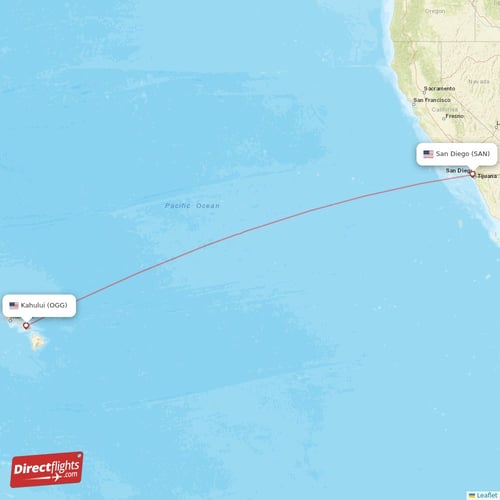
The distance between San Diego International Airport and the various islands of the Hawaiian archipelago is approximately 2,500 to 2,600 miles. While this may seem like a standard cross-country trek, the flight paths over the open ocean are subject to unique atmospheric conditions that can influence the total time spent in the air.
Average Nonstop Flight Durations
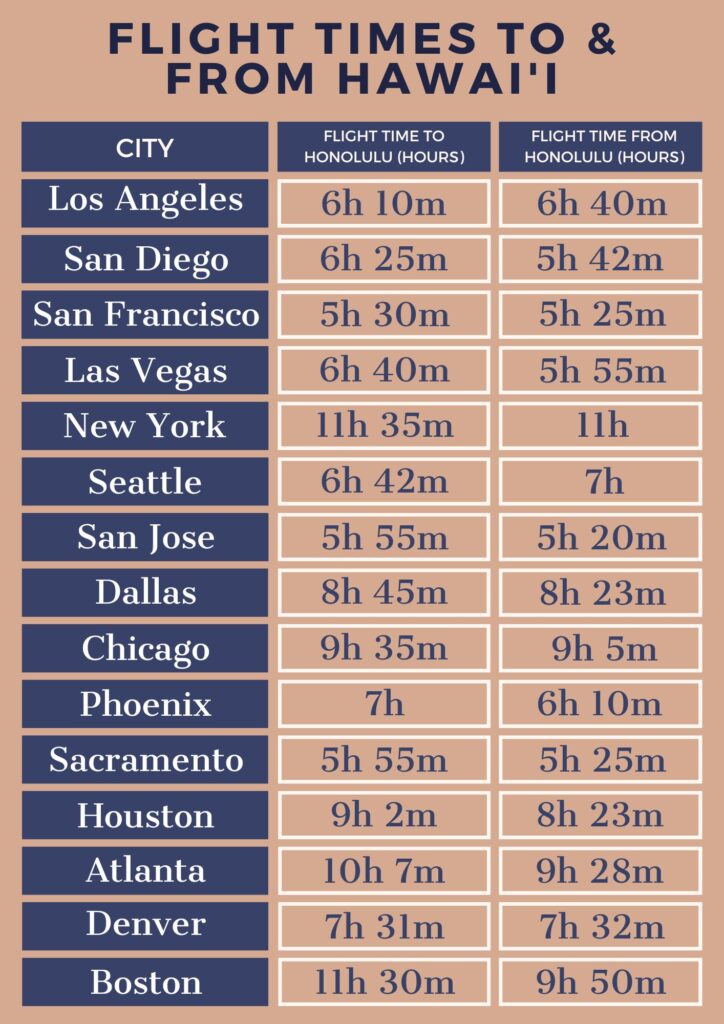
When flying nonstop from San Diego to Honolulu on the island of Oahu, travelers can typically expect a flight time of approximately 5 hours and 45 minutes to 6 hours and 15 minutes. The return journey is often shorter, usually clocked between 5 hours and 10 minutes and 5 hours and 40 minutes. This discrepancy is due to the prevailing high-altitude winds that blow from west to east across the North America continent.
If your destination is Maui, specifically landing at Kahului Airport, the timing remains remarkably similar. Direct flights to the “Valley Isle” usually hover around the 6-hour mark. For those heading further north to the “Garden Isle” of Kauai, arriving at Lihue Airport, the flight may take a few minutes longer due to the island’s slightly more westerly position relative to California. Conversely, flights to Kona on the Big Island, landing at Ellison Onizuka Kona International Airport, are often among the quickest routes from the mainland due to the island’s easternmost location in the chain.
The Impact of the Jet Stream and Trade Winds
One of the most fascinating aspects of travel within the Central Pacific is the influence of the jet stream. These fast-flowing air currents can act as a powerful tailwind or a stubborn headwind. When flying toward Hawaii, pilots often have to push against these winds, which slightly increases fuel consumption and travel time. On the way back to the mainland, the aircraft essentially hitches a ride on these currents, allowing for a much faster arrival at San Diego International Airport. This is why your flight “home” almost always feels faster than the flight “there.”
Major Airlines and Route Options
The competitive nature of the San Diego travel market has resulted in a wealth of options for passengers. Several major carriers provide consistent service, each offering different levels of comfort and pricing structures.
Nonstop Services from San Diego
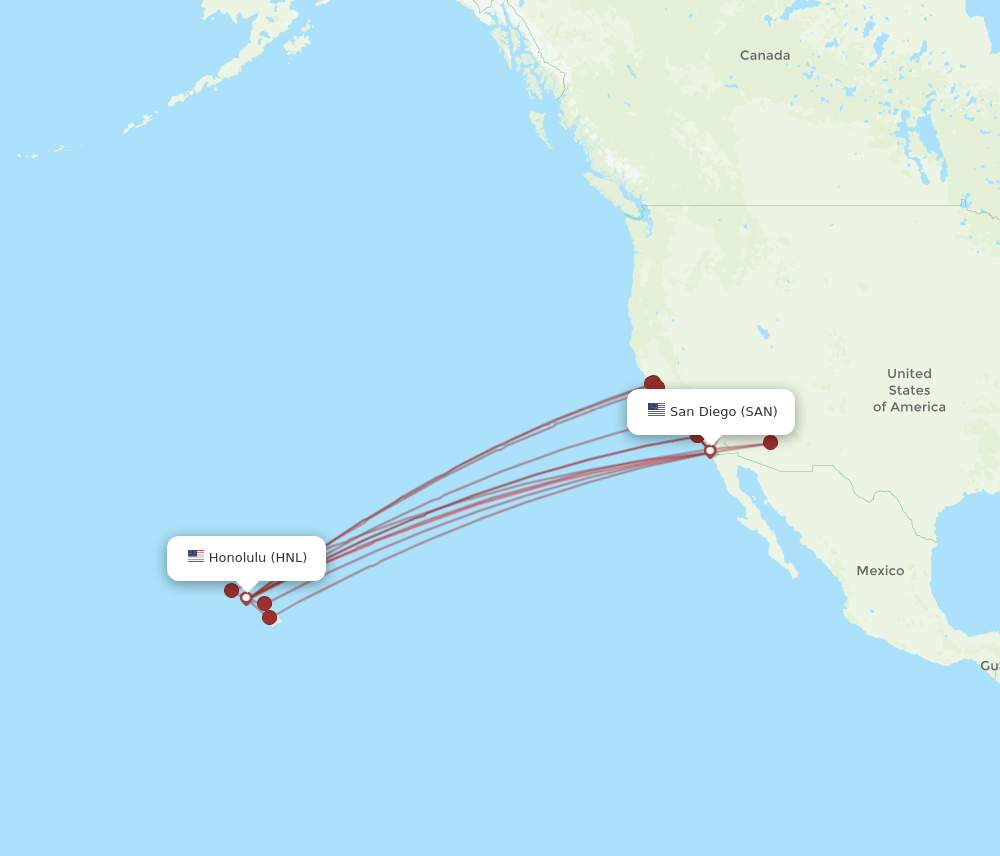
For many travelers, the priority is minimizing travel time through nonstop service. Hawaiian Airlines, the state’s flagship carrier, offers a distinct “island vibe” from the moment you board, often providing complimentary meals and drinks that reflect local flavors. Their service typically connects San Diego directly to Honolulu and occasionally Kahului.
Alaska Airlines is another dominant player in this corridor, known for its punctuality and extensive network across the West Coast. They frequently offer direct routes to Maui and Oahu, making them a favorite for frequent flyers in the Southern California region. More recently, Southwest Airlines has expanded its presence, providing budget-friendly options that include two free checked bags—a significant perk for those planning on bringing surfboards or heavy hiking gear to explore Kauai.
Connecting Flight Realities
While nonstop flights are preferred, connecting flights can sometimes offer better value or more flexible schedules. These routes typically involve a layover at Los Angeles International Airport, San Francisco International Airport, or Seattle-Tacoma International Airport. When opting for a connection, the total travel time can stretch from the standard 6 hours to anywhere between 8 and 12 hours. Airlines like United Airlines, Delta Air Lines, and American Airlines frequently offer these multi-leg journeys. While the duration is longer, these stops can be an opportunity to grab a meal or stretch your legs before the final over-water leg of the trip.
Best Times to Fly to the Hawaiian Islands
Timing your flight from San Diego is not just about the hours spent on the plane; it is also about understanding the seasonal shifts that affect both the journey and the destination.
Seasonal Variations in Travel Time
While the actual airtime remains relatively consistent throughout the year, the “ground time” can vary significantly. During peak travel seasons—such as the winter holidays, spring break, and the summer months—San Diego International Airport experiences much higher traffic volumes. This can lead to longer wait times for security and potential delays on the tarmac. To ensure a smooth 6-hour flight, it is advisable to travel during the “shoulder seasons” of late spring (April to June) or early fall (September to November). During these windows, the weather in Hawaii is exceptional, and the airports are far less congested.
Planning for Time Zone Changes
One of the most important considerations when calculating your “travel day” is the time difference. Hawaii operates on Hawaii-Aleutian Standard Time and does not observe Daylight Saving Time. This means that for part of the year, San Diego is two hours ahead of Hawaii, and for the other half, it is three hours ahead. When you depart California at 8:00 AM, you may find yourself landing in Honolulu around 11:00 AM local time, effectively giving you an entire afternoon to explore Diamond Head or relax on the beach.
Navigating the Arrival Experience in Hawaii
The moment the wheels touch down, your travel experience shifts from the cabin of an aircraft to the vibrant culture of the islands. Your arrival airport dictates the start of your adventure.
Landing at Daniel K. Inouye International Airport
The majority of travelers from San Diego will arrive at Daniel K. Inouye International Airport in Honolulu. As the primary gateway to the islands, this airport is a hub of activity. Upon arrival, the transition from the plane to the tropical air is immediate, as many of the terminal walkways are open-air. From here, it is a short drive to the historic sites of Pearl Harbor or the bustling streets of Oahu.
Inter-Island Connections and Further Exploration
For those whose final destination is a smaller island like Molokai or Lanai, the journey continues with short “puddle jumper” flights. These inter-island hops are usually incredibly brief, often lasting between 20 and 45 minutes. If you have already flown 6 hours from San Diego, these short bursts of travel offer incredible aerial views of the coral reefs and volcanic craters that define the Hawaii experience. Many travelers choose to spend a few days on Oahu before taking a flight to Lihue Airport to see the rugged cliffs of the Na Pali Coast.
Essential Tips for Your Pacific Crossing
A 6-hour flight is a significant amount of time to spend in a pressurized cabin. Preparation is key to ensuring that you arrive in Hawaii feeling refreshed and ready to explore.
In-Flight Comfort and Health
Staying hydrated is the most critical factor when flying across the Pacific Ocean. The dry cabin air can lead to fatigue and jet lag. Additionally, because the route from San Diego is entirely over water, there is little to see out the window for the middle four hours of the journey. Bringing noise-canceling headphones, a good book, or downloading movies in advance is highly recommended. Most modern aircraft operated by Alaska Airlines and United Airlines on this route offer in-flight Wi-Fi or entertainment streaming, but having your own backup is always wise.
Agricultural Inspections and Sustainability
Travelers should also be aware of the strict agricultural regulations when entering Hawaii. During the flight, you will be required to fill out a State of Hawaii Agricultural Declaration Form. This is to protect the delicate ecosystem of the islands from invasive species. Furthermore, as Hawaii moves toward more sustainable tourism, travelers are encouraged to pack reef-safe sunscreen and reusable water bottles to minimize their environmental footprint from the moment they land at Kahului Airport or Hilo International Airport.
In conclusion, while the flight from San Diego to Hawaii represents a journey of several thousand miles and roughly six hours, it is a small price to pay for access to one of the most beautiful places on Earth. By choosing the right airline, understanding the impact of the winds, and preparing for the time change, you can ensure that your travel experience is as seamless and enjoyable as the destination itself. Whether you are seeking the adventure of the Big Island or the tranquility of Kauai, the path from San Diego International Airport is your gateway to an unforgettable Pacific odyssey.
LifeOutOfTheBox is a participant in the Amazon Services LLC Associates Program, an affiliate advertising program designed to provide a means for sites to earn advertising fees by advertising and linking to Amazon.com. Amazon, the Amazon logo, AmazonSupply, and the AmazonSupply logo are trademarks of Amazon.com, Inc. or its affiliates. As an Amazon Associate we earn affiliate commissions from qualifying purchases.