
When planning a trip that lasts longer than a traditional weekend getaway, standard lodging options often fall short. Cramp-style rooms lacking basic kitchen facilities can make weeks away from home feel exhausting and expensive. This is where extended stay hotels step in, bridging the gap between traditional hotel hospitality and the comforts of a private apartment. Whether you are relocating to New York, undertaking a long-term corporate project in Chicago, or remodeling your home in Austin, understanding what extended stay hotels offer can completely transform your travel and living experience.
Defining the Extended Stay Concept
An extended stay hotel is a specialized lodging facility designed specifically for guests who need accommodation for a week, a month, or even several months. Unlike traditional hotels that focus on short-term transients, extended stay properties are built around the concept of independent, functional living.
Core Features and Amenities
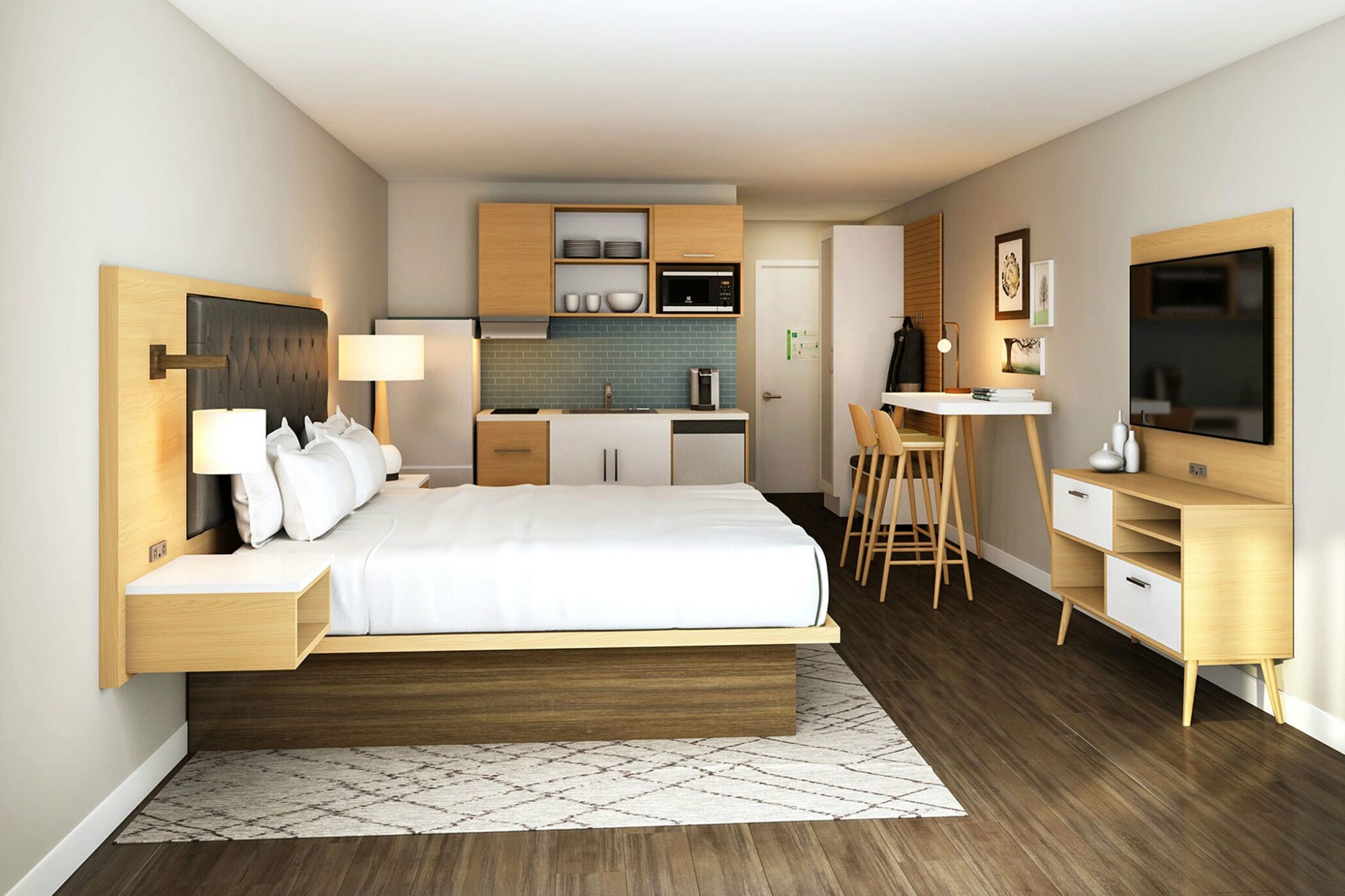
The defining characteristic of an extended stay hotel is the inclusion of in-room kitchen facilities. Guests typically find a full-sized refrigerator, a stovetop, a microwave, and sometimes a dishwasher, accompanied by essential cookware, utensils, and dinnerware. This setup allows travelers to prepare their own meals, saving significant money on dining out and maintaining dietary preferences.
Beyond the kitchen, these properties usually provide separate living, working, and sleeping zones within the room or suite. Ergonomic desks, reliable high-speed internet, and multiple phone lines cater directly to business travelers who need a productive workspace. Furthermore, properties managed by major hospitality groups like Marriott International or Hilton Worldwide ensure high standards of comfort and connectivity across their extended stay brands such as Residence Inn and Homewood Suites.
How They Differ from Traditional Hotels
Traditional hotels prioritize luxury amenities intended for short stays—think bellhops, sprawling lobby bars, daily housekeeping, and elaborate room service menus. Extended stay hotels, conversely, prioritize autonomy and value.
Housekeeping services at an extended stay property are typically scheduled weekly rather than daily, giving guests greater privacy. Amenities like on-site guest laundries replace dry-cleaning services, and grab-and-go breakfast options often replace full-service sit-down restaurants. This operational model reduces overhead costs, savings that are passed directly to the consumer through tiered pricing structures.
Financial Advantages and Flexible Pricing
One of the most compelling reasons travelers choose extended stay properties is the economic structure. When booking long-term lodging, traditional hotels quickly become financially unsustainable.
Tiered Weekly and Monthly Rates
Extended stay hotels utilize a tiered pricing model. The longer you stay, the lower the nightly rate drops. For instance, booking a room for thirty consecutive days at a property like Staybridge Suites or Extended Stay America results in a substantially lower average nightly cost than booking those same thirty nights individually or in separate blocks.
Hidden Cost Savings
The financial benefits extend far beyond the room rate itself:
- Dining Expenses: Preparing meals in your own kitchen drastically cuts down the daily food budget.
- Utility Bills: Electricity, water, high-speed internet, and cable television are bundled into the room rate, eliminating setup fees and utility deposits associated with short-term apartment rentals.
- No Lease Commitments: Renting a traditional apartment requires signing a rigid lease, paying security deposits, and furnishing the space. Extended stay hotels require no lease agreements, allowing guests to check out early without financial penalties if travel plans change.
Ideal Use Cases and Target Audiences
Extended stay hotels cater to a diverse demographic of travelers who require a functional home base for extended periods.
Corporate Housing and Business Travel
Corporate travelers frequently utilize extended stay properties for training programs, consulting assignments, or temporary work relocations. Instead of living out of a suitcase in a standard room, professionals can unpack, set up a home office, and maintain a semblance of their normal routine. Brands like TownePlace Suites and Element Hotels specifically cater to this market with eco-conscious designs and modern, modular living spaces.
Relocation and Real Estate Transitions
When families move to a new city, finding the right permanent home takes time. Extended stay hotels serve as an ideal bridge during house-hunting periods or while waiting for household goods to arrive from a cross-country move. Pets are often welcomed at these properties, making the stressful transition period much easier for families with dogs or cats.
Medical Tourism and Extended Healthcare
Patients traveling far from home for specialized medical treatments often require weeks or months of outpatient care. Staying in a sterile hospital environment is depressing, and traditional hotels lack the sanitary food-preparation spaces needed for patients with specific dietary restrictions. Extended stay hotels offer a clean, comfortable, and supportive environment for patients and their caregivers during recovery.
Tips for Choosing and Booking the Right Property
Selecting the right extended stay hotel requires evaluating your specific needs, lifestyle habits, and length of stay.
Evaluating Location and Accessibility
While price is important, location can make or break your long-term stay experience. Ensure the property is conveniently located near grocery stores, public transportation hubs, pharmacies, and your workplace or points of interest. Properties situated near major thoroughfares in cities like Los Angeles or Seattle offer easy access to urban centers while providing quiet, residential-style comfort at the end of the day.

Amenities Checklist Before You Book
Not all extended stay hotels are created equal. Before finalizing a reservation, verify which amenities are included:
- Kitchen Inventory: Check whether the kitchen includes a full oven or just a cooktop, and confirm that pots, pans, and silverware are provided.
- Internet Bandwidth: If you work remotely, inquire about bandwidth limits and upgrade options for high-speed Wi-Fi.
- On-Site Laundry: Confirm whether laundry facilities are free or coin-operated, and whether they are located within your suite or in a shared central area.
- Pet Policies: If traveling with animals, check weight limits, breed restrictions, and any non-refundable pet cleaning fees.
Extended stay hotels provide an invaluable solution for modern travelers navigating long-term journeys, work assignments, and life transitions. By combining the flexibility of a hotel with the practical conveniences of home, these properties ensure that being away from home never has to feel uncomfortable.
LifeOutOfTheBox is a participant in the Amazon Services LLC Associates Program, an affiliate advertising program designed to provide a means for sites to earn advertising fees by advertising and linking to Amazon.com. Amazon, the Amazon logo, AmazonSupply, and the AmazonSupply logo are trademarks of Amazon.com, Inc. or its affiliates. As an Amazon Associate we earn affiliate commissions from qualifying purchases.