
The sinking of the RMS Titanic remains one of the most haunting chapters in maritime history. While the ship was famously bound for New York City, it never reached its destination. For those fascinated by this tragedy, understanding the physical distance between the site of the wreckage and the intended port of call provides a sobering perspective on the scale of the disaster. The vessel lies at the bottom of the North Atlantic Ocean, resting in an underwater grave that continues to captivate historians, explorers, and the public alike.
The Geography of the Wreckage Site
The RMS Titanic sank during the early hours of April 15, 1912, after striking an iceberg. The final resting place of the ship is located approximately 370 miles (about 600 kilometers) south-southeast of Newfoundland, Canada. In terms of its proximity to the intended destination, the wreck lies roughly 1,200 to 1,300 miles away from New York City.

A Voyage Cut Short
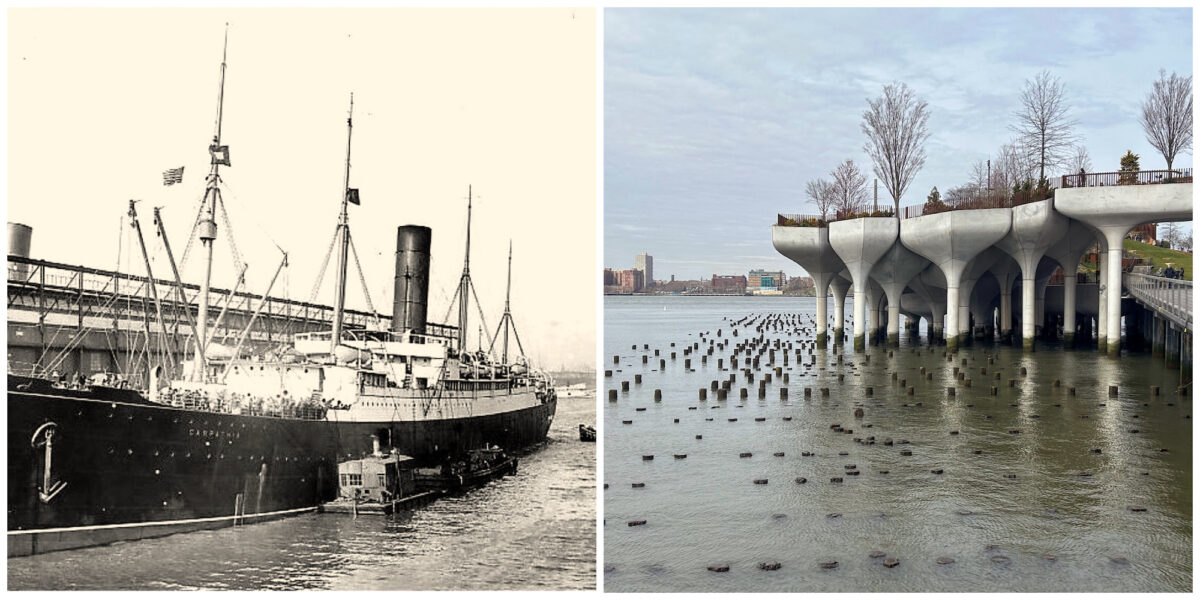
The ship was only four days into its maiden voyage when it collided with the iceberg. When the ship foundered, it was still hundreds of miles away from the United States. This vast distance is precisely what made the rescue effort so complex and why the tragedy resulted in such a high loss of life. Even the closest responding vessel, the RMS Carpathia, took several hours to reach the coordinates, by which time the ship had already been submerged for a significant duration.
Precise Coordinates and Depth
The wreckage rests at a depth of approximately 12,500 feet, or about 2.4 miles below the surface. This depth, combined with the extreme pressure and near-freezing temperatures of the Atlantic Ocean, has made exploration difficult and dangerous since the site was first discovered in 1985. The wreckage is split into two main sections: the bow and the stern, lying about a third of a mile apart on the ocean floor.
Historical Significance of the Destination
New York City was the ultimate goal for the elite passengers and the hopeful immigrants aboard the liner. At the time, the city was the gateway to the New World, and the White Star Line had heavily marketed the ship as the pinnacle of luxury and safety.
The Pier 54 Connection
Had the ship arrived safely, it was scheduled to dock at Pier 54 in Manhattan. Today, the site of Pier 54 is part of Hudson River Park, and it serves as a memorial of sorts for those who were meant to arrive there. Walking through this area of New York, one can feel the historical weight of the thousands of lives that were forever altered by the sinking. The pier was intended to receive the survivors of the disaster, and the contrast between the bustling city and the quiet, desolate wreck site thousands of miles away remains a powerful historical juxtaposition.
Maritime Culture and Legacy
The tragedy profoundly changed maritime travel. Before the sinking, shipping lines often prioritized speed over safety. The disaster forced international regulators to reassess how ships were built and operated, leading to the creation of the International Convention for the Safety of Life at Sea. Every modern cruise ship that travels from Europe to the United States today follows safety protocols directly derived from the lessons learned during this maritime disaster.
Modern Expeditions and Preservation
Because the wreck site is so far from any mainland, reaching it requires advanced technology and significant logistics. Expeditions are rarely conducted due to the extreme conditions and the ethical concerns surrounding the disturbance of a gravesite.
Navigating the Deep
Explorers utilize specialized submersibles capable of withstanding the immense pressure at the bottom of the Atlantic Ocean. These missions are often focused on photogrammetry and mapping, as the vessel is slowly deteriorating due to iron-eating bacteria. Many historians argue that we are in a race against time to document the wreck before it is eventually reclaimed by the sea.
The Role of Technology
Remote sensing, sonar, and high-resolution cameras have allowed us to see the wreckage in ways that were impossible even a few decades ago. This technology bridges the gap between the surface and the deep sea, allowing those of us on land—thousands of miles away from the site—to understand the scale of the wreckage. These digital archives serve as a living history, ensuring that the legacy of the ship is preserved even as its physical structure continues to decay.
Reflecting on the Distance
When we ask how far the ship is from New York City, we are not just asking a question about geography. We are reflecting on the distance between hope and tragedy, between the modern ambition of the early 20th century and the unforgiving nature of the North Atlantic Ocean.
A Lasting Memory
The site remains a protected area under international agreements. It serves as a stark reminder of human vulnerability in the face of nature. While the wreckage lies deep underwater, it remains tethered to the cultural identity of both Southampton, the city where the journey began, and New York City, the place where the journey was intended to end.

The Global Perspective
Today, enthusiasts visit museums and exhibitions dedicated to the ship in places as far-flung as Belfast, where it was constructed, and various maritime museums across the United Kingdom. Each of these locations provides a unique lens through which to view the disaster. However, the physical distance of 1,200 miles remains a permanent divide. It is a distance that keeps the wreck safely tucked away in the depths, protected from the surface world, yet ever-present in our collective consciousness.
Whether you are a student of history, an amateur explorer, or simply someone moved by the human narrative of the voyage, the story of the RMS Titanic is one that spans the globe. By mapping out its distance from its intended home in the United States, we gain a clearer sense of the scope of the event—a tragedy that took place in the vast, empty middle of the Atlantic Ocean, far from the comforts and safety of the land, yet close enough to change the course of maritime history forever.
LifeOutOfTheBox is a participant in the Amazon Services LLC Associates Program, an affiliate advertising program designed to provide a means for sites to earn advertising fees by advertising and linking to Amazon.com. Amazon, the Amazon logo, AmazonSupply, and the AmazonSupply logo are trademarks of Amazon.com, Inc. or its affiliates. As an Amazon Associate we earn affiliate commissions from qualifying purchases.