
The concept of a hotel room has evolved significantly since the early days of hospitality. While a standard room provides the basic necessities for a night’s rest, the hotel suite offers an elevated experience defined by space, luxury, and functionality. At its core, a suite is a collection of connected rooms intended for the use of one person or family. However, in the modern hospitality industry, the definition has expanded to encompass various layouts that prioritize a separation between living and sleeping areas. Understanding the nuances of what constitutes a suite is essential for travelers seeking comfort, privacy, or a venue for professional engagements during their stay.
Understanding the Architecture of a Hotel Suite
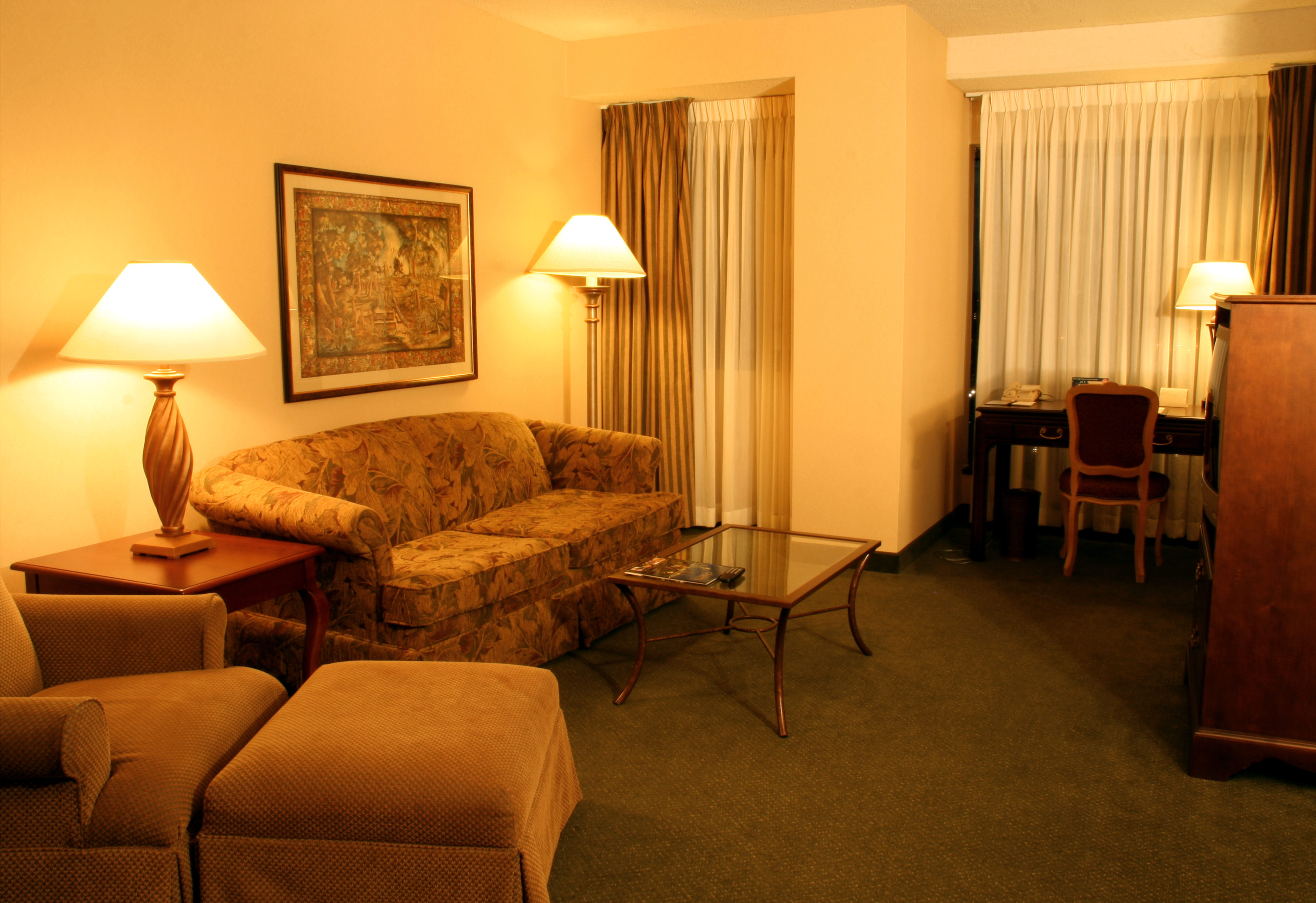
To truly grasp what a suite is, one must look beyond the thread count of the linens and examine the architectural footprint of the accommodation. Unlike a standard guest room, which typically consists of a single bedroom with an ensuite bathroom, a suite is designed to mimic the layout of a small apartment or a residential home.
Defining the Separate Living Space
The primary characteristic that distinguishes a suite from a standard room is the presence of a separate living area. In a true suite, this area is a distinct room separated from the bedroom by a permanent wall and a door. This layout provides a level of privacy that is unattainable in a studio-style room. The living room often features a sofa, armchairs, a coffee table, and frequently a secondary television.
This separation is particularly valuable for travelers in The United States and Europe who may be hosting guests or who simply wish to have a dedicated space for relaxation that is not their bed. In high-end establishments like The Plaza Hotel in New York City, these living areas are often adorned with bespoke furniture, fine art, and floor-to-ceiling windows that offer panoramic views of the city skyline.
The Evolution of Suite Layouts
Historically, suites were reserved for the elite and were often referred to as “apartments” within a hotel. Over time, major brands like Marriott International and Hilton began to diversify their offerings to cater to different market segments. This led to the development of various configurations, ranging from the open-plan “studio suite” to the expansive “multi-bedroom suite.”
Modern suites often incorporate transitional spaces, such as foyers or hallways, which further enhance the sense of being in a private residence rather than a temporary lodging. In London, historic properties like The Savoy have maintained traditional suite layouts that emphasize classical British architecture, featuring separate dining rooms and even libraries within the suite’s footprint.
Categorizing Suite Variations and Configurations
The hospitality industry uses various terms to describe suites, and these definitions can vary between brands and geographic regions. Knowing the difference between these categories can help guests ensure they are booking the right space for their needs.
The Junior Suite: A Step Up from Standard
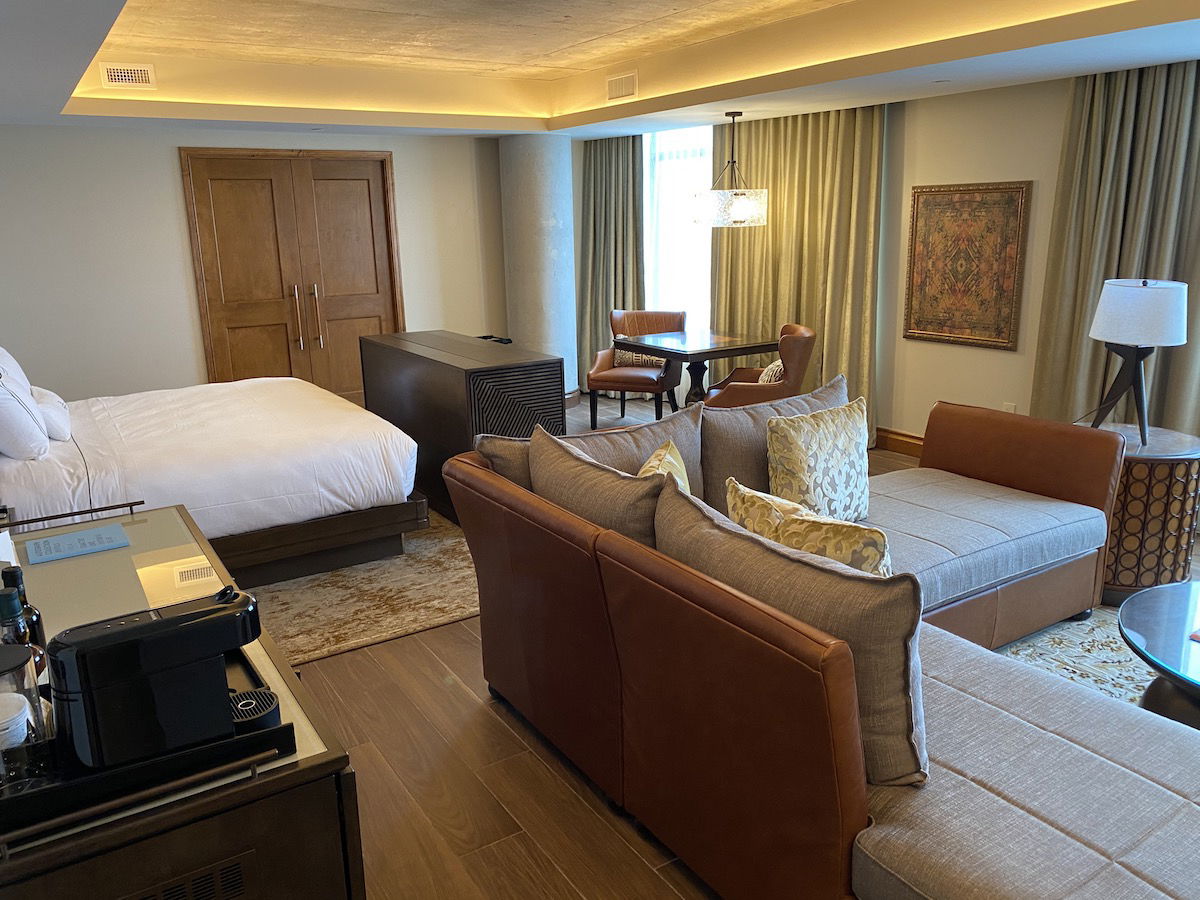
The “Junior Suite” is perhaps the most common term encountered by travelers. It is important to note that a Junior Suite is often not a “true” suite in the architectural sense. Instead, it is typically a larger-than-average room with a dedicated seating area that is not separated by a wall. These are often found in urban boutique hotels in Paris or Tokyo. While they lack the total privacy of a multi-room suite, they provide significantly more floor space than a standard guest room, making them a popular choice for those who want a bit more breathing room without the price tag of a full suite.
The Executive and One-Bedroom Suites
An Executive Suite is designed with the business traveler in mind. These units often include a large desk, high-speed internet capabilities, and sometimes a small meeting table. The “One-Bedroom Suite” is the industry standard for a true suite. It features at least two distinct rooms: a bedroom and a living room. In destinations like Las Vegas, hotels such as the Bellagio Las Vegas offer one-bedroom suites that include wet bars and sophisticated entertainment systems, catering to both leisure and corporate clients.
The Pinnacle of Luxury: Presidential and Royal Suites
At the top of the hierarchy are the Presidential and Royal Suites. These are the most expensive and expansive accommodations a hotel offers. A Presidential Suite often spans an entire floor or a large portion of the top level, providing multiple bedrooms, a full kitchen, a formal dining room, and sometimes even a private gym or cinema.
In the United Arab Emirates, specifically at the Burj Al Arab in Dubai, the suites are exclusively duplexes, offering two levels of opulent living space. These high-tier suites are designed to host world leaders, celebrities, and ultra-high-net-worth individuals, offering a level of security and service that is unmatched in standard hospitality.
Exclusive Amenities and the Suite Experience
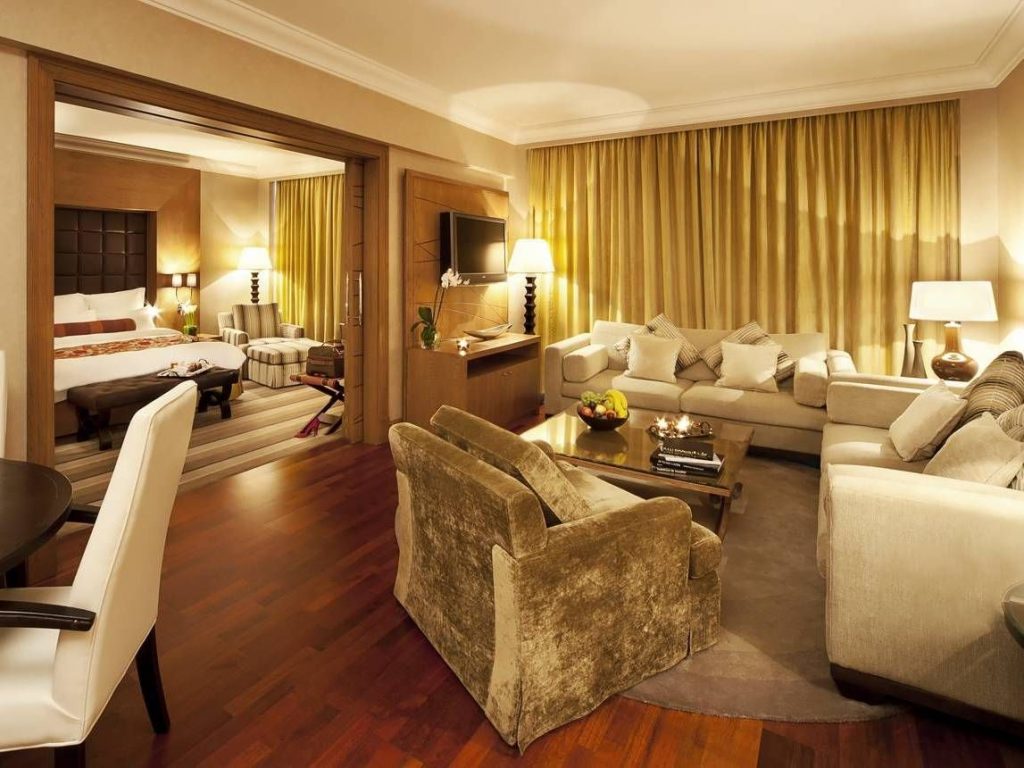
While the physical layout is the primary draw, the “suite experience” is defined by the amenities and services that accompany the room. Booking a suite often grants the guest access to a world of exclusivity that standard rooms do not provide.
Culinary and Entertaining Facilities
Many suites, especially those intended for long-term stays or family travel, include kitchenette or full kitchen facilities. These areas are equipped with refrigerators, microwaves, stovetops, and high-end coffee machines. In France, luxury suites often feature wine fridges stocked with regional vintages.
Beyond the kitchen, the bathroom in a suite is usually a sanctuary of its own. It is common to find oversized soaking tubs, rainfall showers, and double vanities. Many Four Seasons Hotels and Resorts properties equip their suites with premium toiletries from luxury brands, heated floors, and integrated sound systems to enhance the spa-like atmosphere.
Personalized Services and Club Access
A significant benefit of staying in a suite is the access to personalized service. Many luxury hotels, such as the St. Regis, offer dedicated butler service for their suite guests. Butlers can assist with unpacking, garment pressing, and making exclusive dinner reservations.
Furthermore, suite guests often receive complimentary access to the hotel’s executive lounge. These lounges, common in InterContinental Hotels Group properties, provide a private space for breakfast, afternoon tea, and evening cocktails. This “hotel-within-a-hotel” concept adds a layer of community and convenience, as the lounge often has its own concierge and business center.
Strategic Reasons for Booking a Suite
Choosing a suite is not always about indulgence; it is often a strategic decision based on the specific requirements of the trip. Whether traveling for family, business, or a special occasion, the extra space serves a practical purpose.
Traveling with Families and Groups
For families traveling together, multiple standard rooms can feel disconnected and cramped. A multi-bedroom suite allows the family to stay together in a single unit while still providing parents with their own private bedroom. The living area serves as a communal hub where the family can gather for meals or movies. In Florida or California, resorts often feature “Family Suites” that include bunk beds for children and separate master quarters, ensuring everyone has their own space.
Business Engagements and Remote Work
For the corporate traveler, a suite provides a professional environment that a bedroom cannot. Conducting a meeting in a standard hotel room can feel awkward or unprofessional. A suite’s living area or dining table provides a neutral ground for hosting clients or colleagues. Additionally, with the rise of remote work, many professionals find that the separate “office” space within a suite leads to higher productivity during extended stays in cities like Singapore or Hong Kong.
Global Standards and Iconic Suite Examples
The interpretation of a suite can vary significantly depending on the cultural and architectural context of the country. Exploring these differences highlights how global brands adapt to local expectations.
North American Luxury Standards
In North America, the suite is often characterized by modern convenience and sheer scale. In Beverly Hills, the Beverly Hills Hotel offers bungalows that function as private suites, emphasizing indoor-outdoor living with private patios. The focus here is on seamless technology and spaciousness, catering to a market that values privacy and high-end residential aesthetics.
European Heritage and Middle Eastern Opulence
In contrast, European suites often emphasize history and craftsmanship. A suite in Italy, whether in Rome or Venice, might feature original frescoes, antique furniture, and views of ancient Landmarks. These spaces are less about modern gadgets and more about the “sense of place.”
Moving to the Middle East, the standard for a suite is redefined through sheer opulence. In Japan, the Park Hyatt Tokyo provides a minimalist yet deeply luxurious suite experience, focusing on high-quality natural materials and incredible views of Mount Fuji. Each region brings its own flavor to the concept, ensuring that a “suite” is never just a room, but a reflection of the destination’s highest hospitality standards.
Ultimately, a suite at a hotel represents the apex of guest accommodation. It is a thoughtfully designed environment that balances the need for rest with the desire for living space, offering a sanctuary for the discerning traveler. Whether it is a Junior Suite in a bustling metropolis or a Royal Suite in a secluded resort, these accommodations transform a simple stay into a comprehensive lifestyle experience.
LifeOutOfTheBox is a participant in the Amazon Services LLC Associates Program, an affiliate advertising program designed to provide a means for sites to earn advertising fees by advertising and linking to Amazon.com. Amazon, the Amazon logo, AmazonSupply, and the AmazonSupply logo are trademarks of Amazon.com, Inc. or its affiliates. As an Amazon Associate we earn affiliate commissions from qualifying purchases.