
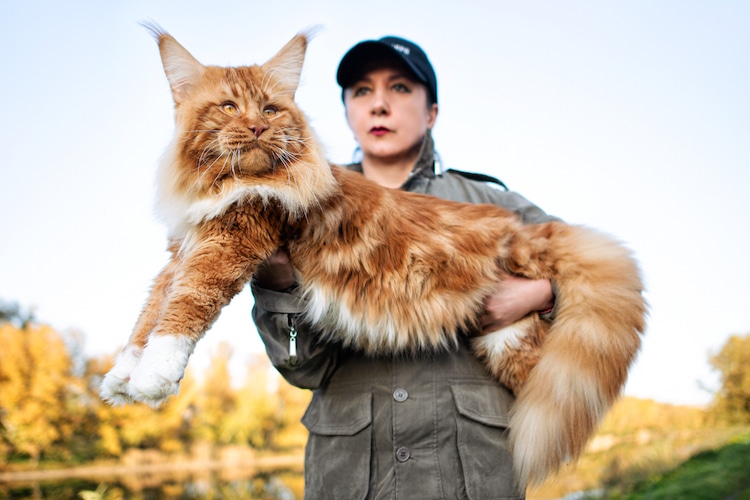
When one traverses the rugged, pine-scented landscape of Maine, it is easy to see how the environment could shape the legends and the physical characteristics of its most iconic feline inhabitant. The Maine Coon is more than just a domestic pet; it is a living symbol of New England heritage, a rugged survivor born from the harsh winters and maritime history of the northeastern United States. Understanding the origin of this gentle giant requires a deep dive into the maritime culture and the historical evolution of the region’s local feline population.
The Maritime Roots and Folk Legends
The origin of the Maine Coon is shrouded in as much mystery as the fog that rolls off the Atlantic Ocean. Among the many folk tales that persist in Portland, one of the most persistent suggests a royal lineage. Legend has it that Marie Antoinette, in a desperate attempt to flee France during the French Revolution, loaded her most prized long-haired cats onto a ship bound for Wiscasset. While the queen herself never reached the Americas, the tale suggests her cats did, eventually interbreeding with the local shorthaired cats of New England.
Nautical Explorers and Ship Cats
A more grounded historical theory points to the seafaring traditions of the 18th and 19th centuries. Maine was a bustling hub of maritime commerce, with ships traveling from Europe to the busy ports of Boston. Sailors frequently kept cats on board to control rodent populations. These feline travelers were likely hardy breeds from across the Atlantic, particularly Angora cats or long-haired breeds brought by Viking explorers centuries prior. Upon arriving in the United States, these cats would have ventured into the local countryside, adapting their physique to the biting cold of the Appalachian foothills and the harsh coastal winters.
Adaptation to the New England Environment
The physiological evolution of the Maine Coon is a testament to the concept of survival of the fittest within the North American wilderness. Unlike the indoor-centric breeds of modern times, the ancestors of the Maine Coon were outdoor hunters that thrived in the dense forests of Acadia National Park.
Physical Traits Shaped by Climate
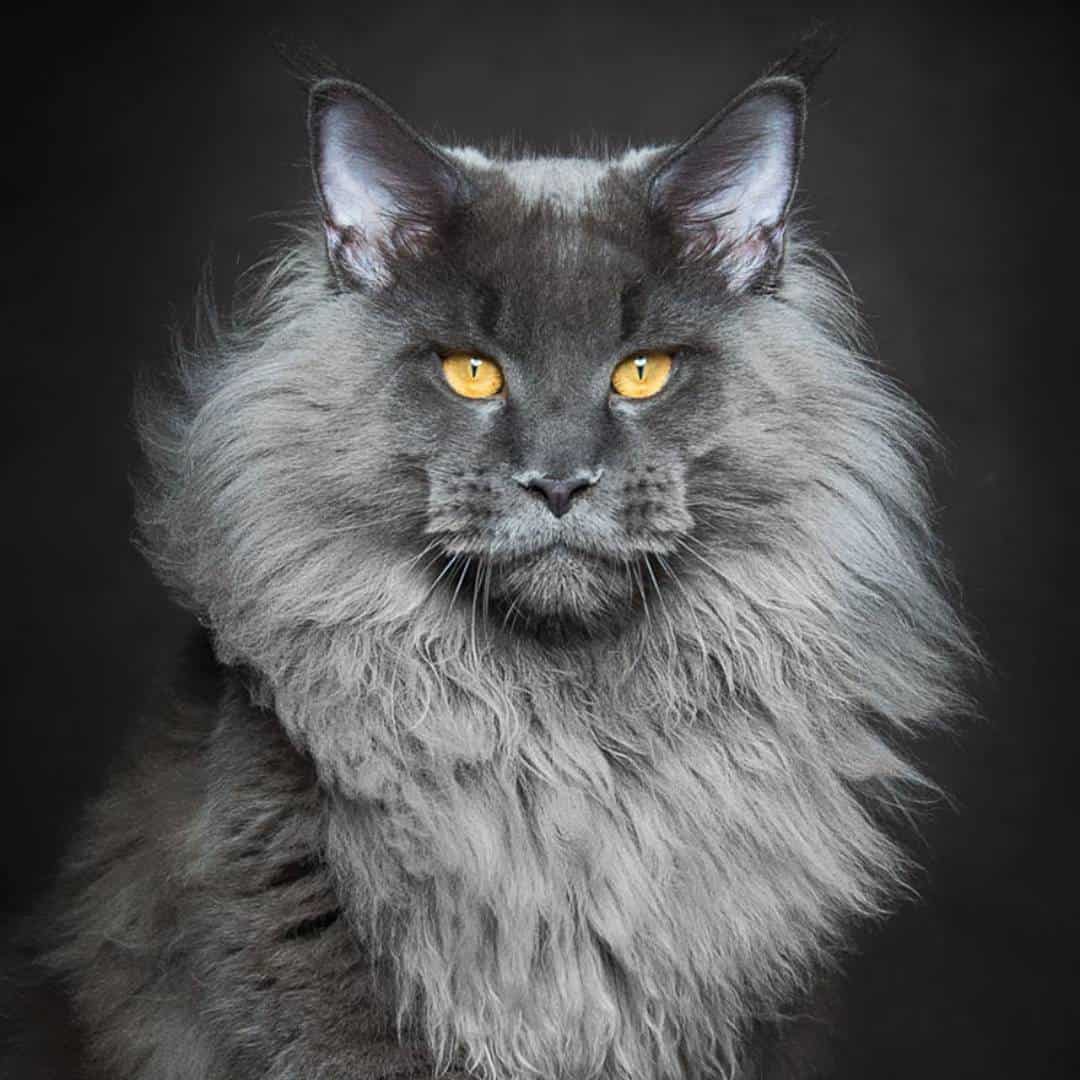
The breed’s distinctive features—a heavy, water-resistant coat, thick tufted paws that act like natural snowshoes, and a long, bushy tail used as a blanket against the chill—are direct responses to the climate of Northern New England. Over generations, natural selection favored cats that could withstand the deep snows of winter and the damp, foggy springs of the Gulf of Maine. This environment demanded a sturdy, muscular frame, which is perhaps why the Maine Coon remains one of the largest domestic cat breeds in the world today.
The Rise of the Maine Coon in Domestic History
By the mid-19th century, the Maine Coon had become a beloved fixture in households across New England. Farmers prized them not only for their companionship but for their exceptional mousing abilities, which were critical for protecting grain supplies.
From Farm Cat to Show Star
The status of the breed shifted dramatically in 1895 during the first major American cat show held at Madison Square Garden in New York City. A brown tabby named “Cosey” won the “Best in Show” title, bringing national attention to the unique aesthetic and personality of these Maine cats. This event effectively transitioned the Maine Coon from a common working farm animal to a prized companion breed, sparking a surge in selective breeding programs.
Despite this shift toward domestic prestige, the breed has managed to retain its rugged spirit. Whether in Bangor or Bar Harbor, the modern Maine Coon continues to embody the spirit of the early settlers—stoic, resilient, and deeply tied to the land.
Cultural Significance and Modern Legacy
Today, the Maine Coon stands as a monument to the history of the United States. It is not merely an animal but a piece of living history. Local lore continues to be a massive draw for tourism in Maine, with many visitors curious about the origins of the state’s official cat.
A Heritage of Resilience
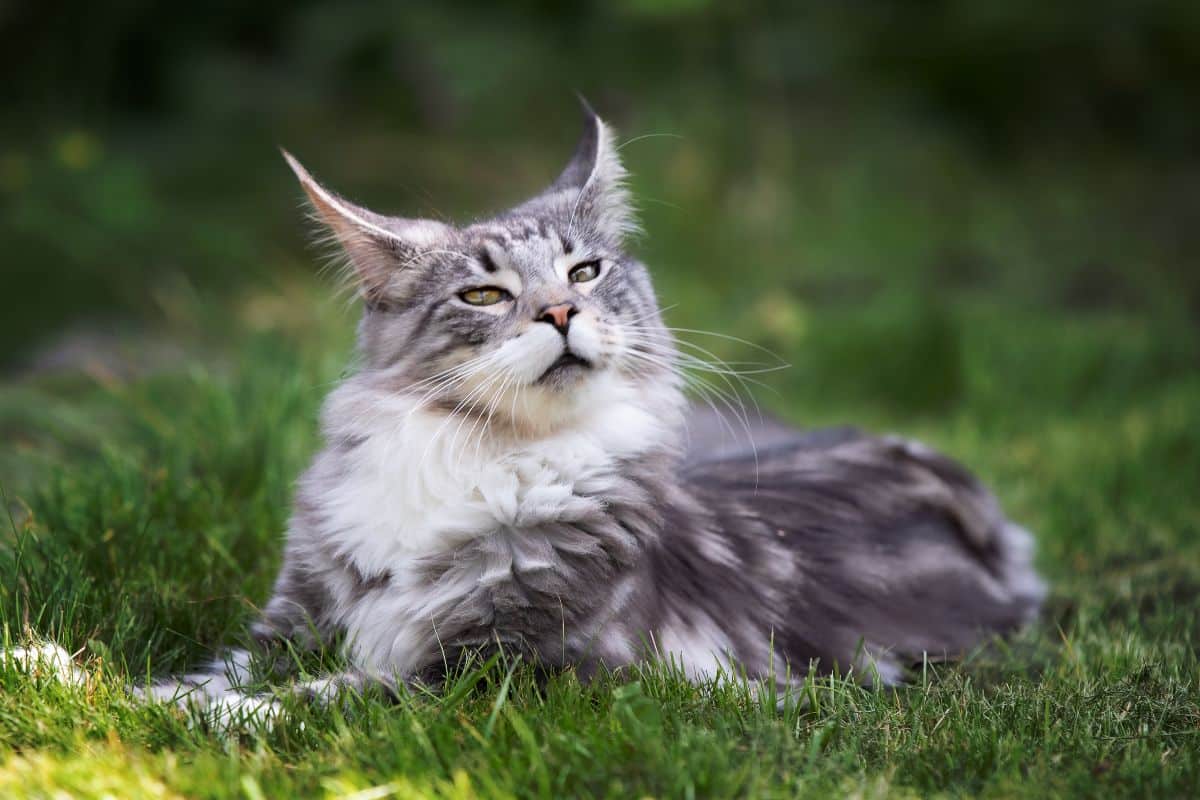
The story of where the Maine Coon comes from is ultimately a story about New England itself. It reflects the intersection of diverse cultures, the challenges of a frontier lifestyle, and the inevitable adaptation of life to its environment. When one observes a Maine Coon today, they are seeing a legacy that stretches back to the docks of Portland and the quiet homesteads of the inland wilderness.
The breed’s enduring popularity confirms that while society has changed, our fascination with stories of origin—and with the animals that helped shape our local identities—remains a fundamental aspect of the human experience. As visitors explore the East Coast, they aren’t just seeing beautiful architecture or historical sites; they are encountering the descendants of an era where nature and civilization existed in a delicate, symbiotic balance. The Maine Coon serves as a gentle reminder of that history, perched quietly in the modern home, carrying the legacy of the Atlantic sea winds in its fur and the strength of the Maine woods in its stride.
LifeOutOfTheBox is a participant in the Amazon Services LLC Associates Program, an affiliate advertising program designed to provide a means for sites to earn advertising fees by advertising and linking to Amazon.com. Amazon, the Amazon logo, AmazonSupply, and the AmazonSupply logo are trademarks of Amazon.com, Inc. or its affiliates. As an Amazon Associate we earn affiliate commissions from qualifying purchases.