
Navigating the sprawling landscape of Southern California can be a daunting task for even the most seasoned traveler, and nowhere is this more evident than when trying to pinpoint the primary gateway to the region: Los Angeles International Airport. Commonly referred to by its IATA code, LAX, this massive aviation hub serves as the primary international entry point for the United States West Coast. Understanding its geography, logistical layout, and surrounding connectivity is essential for a seamless travel experience.
The Geographical Location of LAX
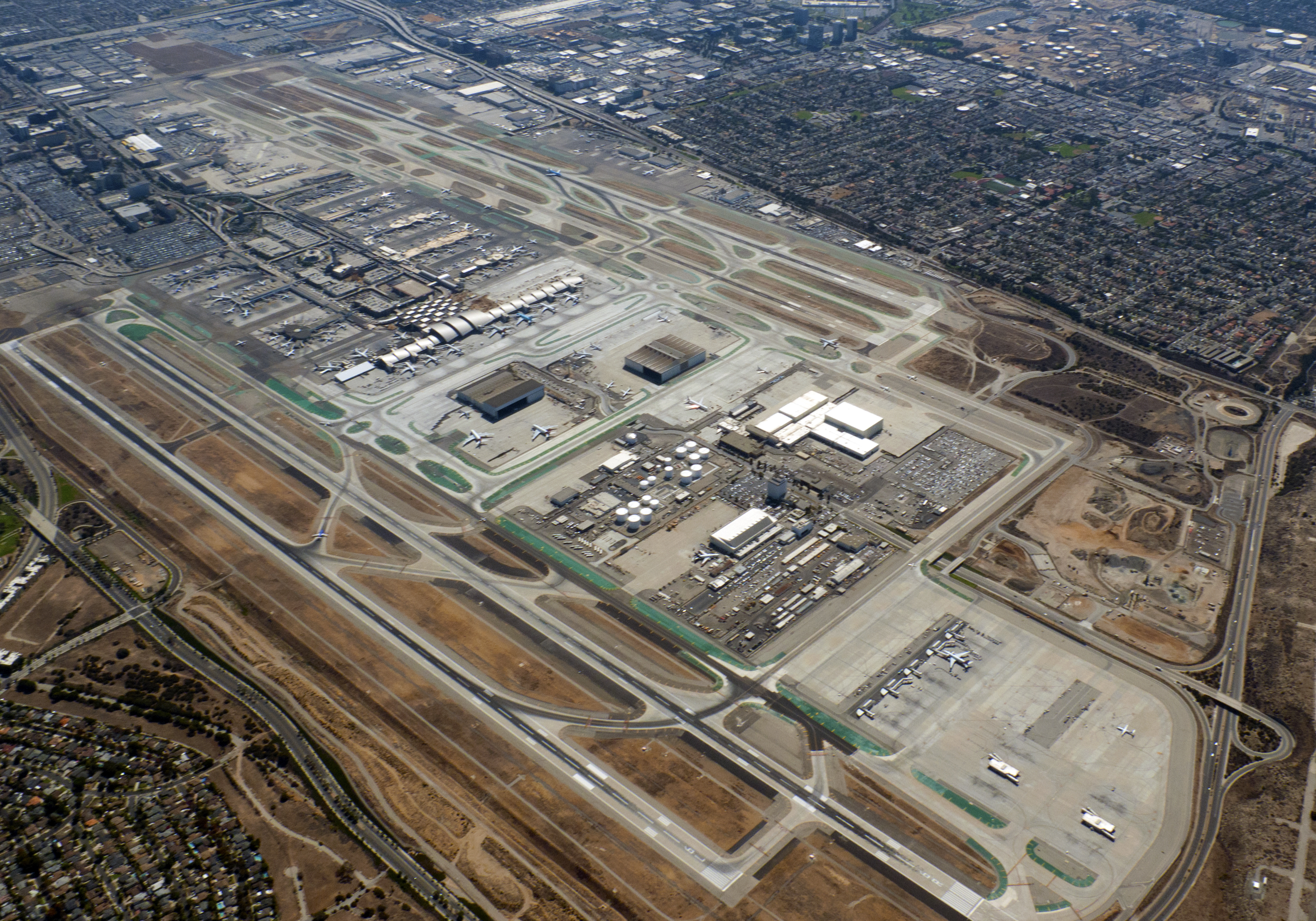
Los Angeles International Airport is located in the Westchester neighborhood of Los Angeles. Situated approximately 18 miles southwest of Downtown Los Angeles, the airport occupies a prime position along the Pacific Ocean coastline. Its unique location puts it in close proximity to popular coastal destinations, including Santa Monica, Venice Beach, and Manhattan Beach.
Proximity to Coastal Hubs
Because LAX is nestled right on the shore, travelers arriving from Asia or Europe often get a spectacular view of the Santa Monica Bay during their final approach. For those planning their itinerary, it is important to note that while the airport is physically near the coast, the infamous Los Angeles traffic can make the journey to Hollywood or Beverly Hills significantly longer than the mileage might suggest.
Regional Connectivity
The airport is bounded by major arterial routes, including the 405 Freeway and Century Boulevard. These thoroughfares act as the primary lifelines for commuters and travelers moving between the airport and the rest of the Los Angeles County metropolitan area.
Navigating the Airport Complex
The physical layout of LAX is famously designed as a large horseshoe. This loop configuration simplifies the process of picking up and dropping off passengers at individual terminals, but it can become a bottleneck during peak hours.
The Horseshoe Layout
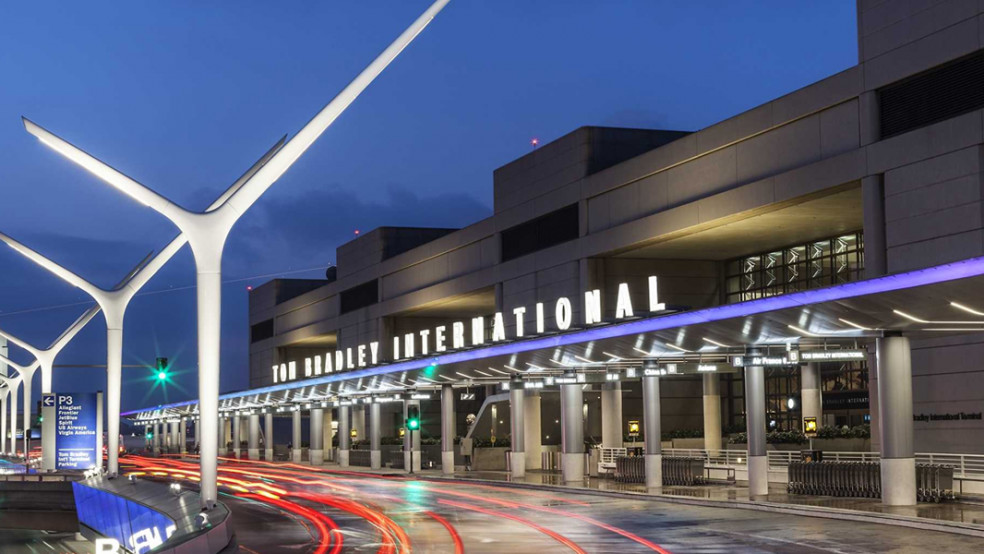
The central terminal area consists of nine passenger terminals, all connected by a one-way traffic loop. Whether you are arriving at the Tom Bradley International Terminal or a domestic hub like Terminal 7, the “horseshoe” ensures that you are never too far from the transit pick-up zones. However, navigating between terminals—especially if you have a tight connection—requires awareness of the LAX shuttle system, which operates consistently to assist passengers moving between the different buildings.
Future Infrastructure and Expansion
Los Angeles is currently undergoing a massive multi-billion dollar transformation project aimed at improving accessibility to the airport. The most anticipated addition is the Automated People Mover, an elevated train system that will eventually connect the central terminal area to a centralized ground transportation hub, Metro Rail lines, and off-site rental car facilities. This project is set to fundamentally change how people reach the airport, moving away from a strictly car-dependent model.

Transportation Options to and from LAX
Knowing where Los Angeles International Airport is located is only half the battle; getting there or leaving is the other. Given the sheer size of the city, there are several methods for transit, each with its own pros and cons.
Ride-Sharing and Taxis
Ride-sharing services like Uber and Lyft are the most popular ways to depart from LAX. Passengers are directed to the LAX-it lot, a dedicated area situated just outside the central terminal loop, which is reachable via a free, frequent shuttle. Taxis also utilize this centralized pick-up point, ensuring that passenger traffic on the arrivals level remains manageable.
Public Transit and Shuttles
While Los Angeles is historically known for its car culture, public transit options are expanding. The FlyAway Bus provides a reliable, non-stop service between LAX and major hubs like Union Station in Downtown Los Angeles and the Van Nuys neighborhood in the San Fernando Valley. For budget-conscious travelers, this represents the most efficient way to bypass I-405 traffic congestion by utilizing HOV lanes.
Rental Car Logistics
If you are planning to visit regional attractions such as Disneyland Park in Anaheim or the scenic Malibu coastline, renting a vehicle is often the preferred choice. Most rental agencies maintain depots just outside the airport perimeter, reachable by dedicated agency-branded shuttle buses that circulate continuously through the terminal horseshoe.
Choosing the Right Time to Travel
The location of LAX makes it highly susceptible to the rhythm of Southern California life. Understanding local traffic patterns is essential for anyone trying to reach the airport on time.
The Impact of Rush Hour
Los Angeles rush hour generally spans from 7:00 AM to 10:00 AM and 3:00 PM to 7:00 PM. During these windows, the highways leading to the airport, particularly the 405 Freeway and the 105 Freeway, experience extreme congestion. It is widely recommended that travelers allow for at least an extra hour of transit time during these periods, or utilize a reliable navigation application to monitor real-time traffic updates.
Strategic Planning for Departures
When booking flights, it is wise to consider the time of day. If you have an early morning departure, staying at a hotel near the Century Boulevard corridor can save you a stressful commute. Numerous major hotel chains maintain properties within a few miles of the LAX entrance, often offering complimentary shuttles that operate around the clock, providing a significant advantage for those with tight schedules or early-bird flights to destinations like San Francisco or New York City.
By recognizing that LAX is more than just a terminal building, but rather a complex, central node in the heart of California, travelers can better navigate the logistical challenges of their journey. Whether you are arriving for a Hollywood vacation or a business trip to Silicon Beach, knowing the location and flow of this airport is the first step toward a successful trip.
LifeOutOfTheBox is a participant in the Amazon Services LLC Associates Program, an affiliate advertising program designed to provide a means for sites to earn advertising fees by advertising and linking to Amazon.com. Amazon, the Amazon logo, AmazonSupply, and the AmazonSupply logo are trademarks of Amazon.com, Inc. or its affiliates. As an Amazon Associate we earn affiliate commissions from qualifying purchases.