
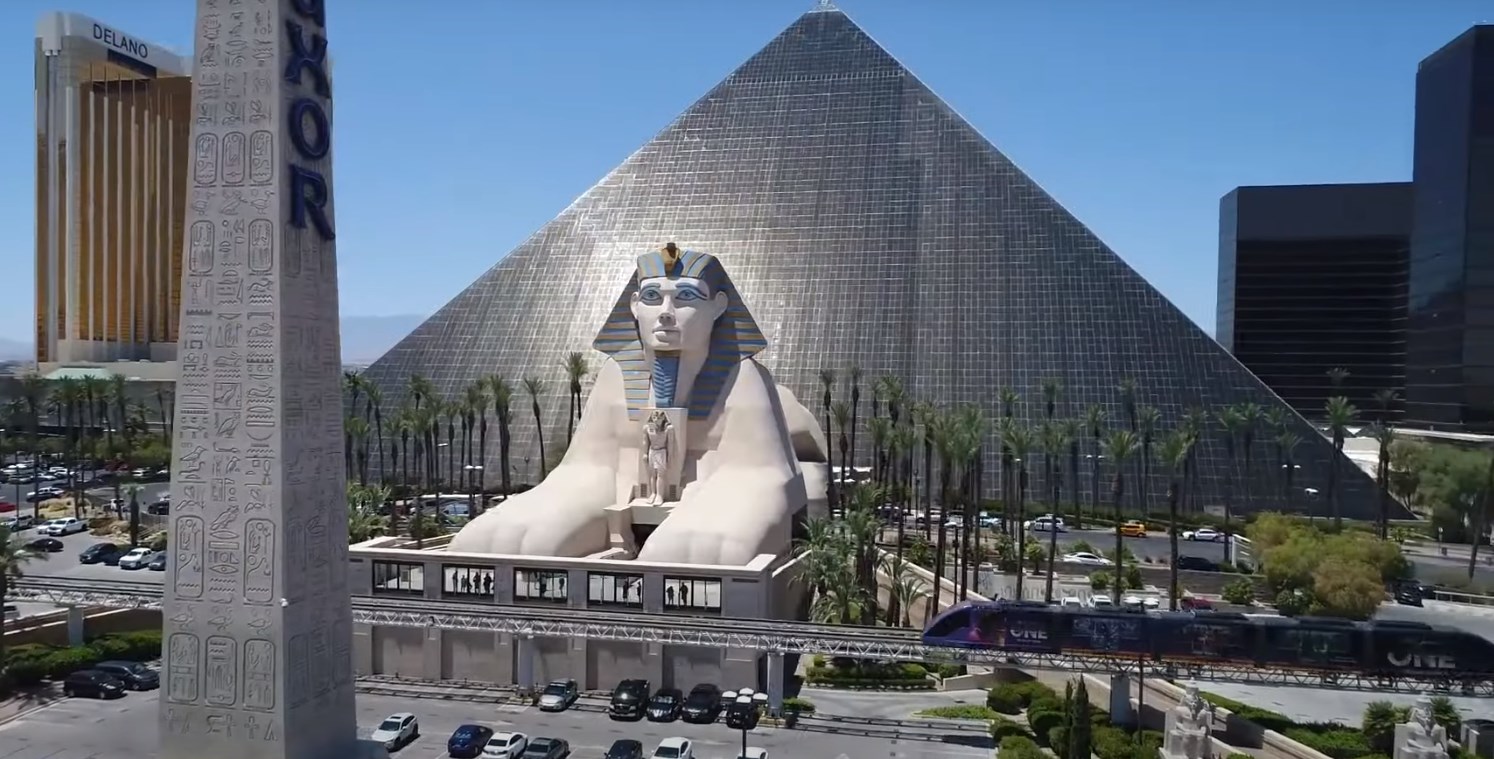
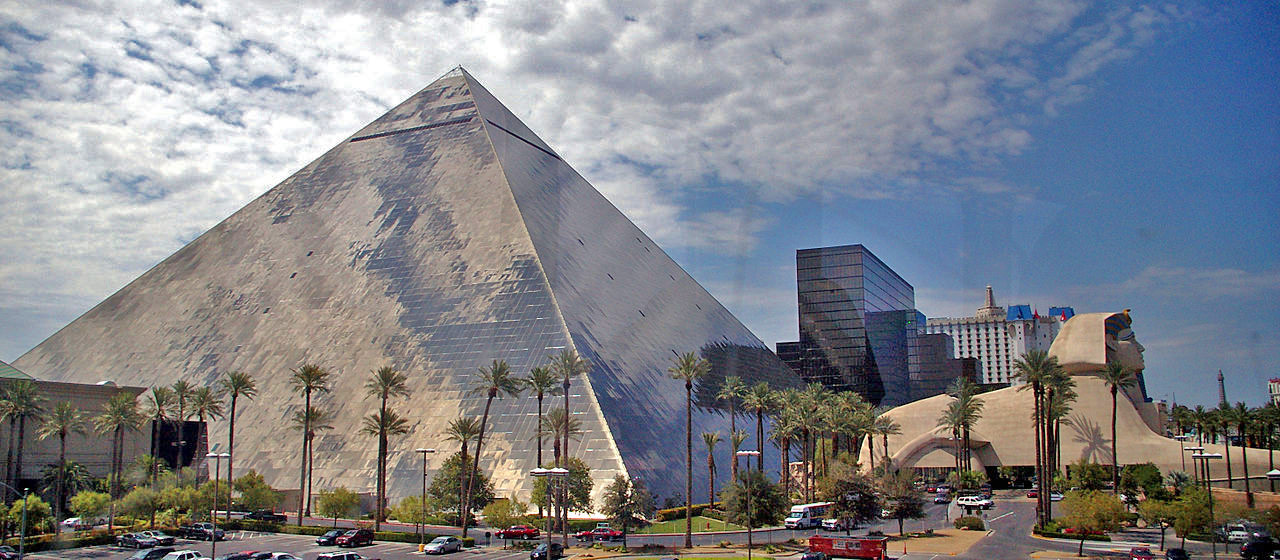
The Luxor Hotel stands as one of the most iconic silhouettes against the Las Vegas skyline. With its striking black glass pyramid design and the powerful beam of light piercing the night sky, it has remained a staple of the Las Vegas Strip since the early 1990s. Understanding the timeline of its construction provides a fascinating glimpse into the ambitious era of mega-resort development in Nevada.
The Dawn of a Desert Landmark
The conception of the Luxor Las Vegas was rooted in the theme-heavy resort movement that swept through the United States during the early 1990s. At the time, developers were eager to move away from the traditional, windowless casino floor model and toward massive, immersive entertainment experiences that appealed to families and international tourists alike.
Planning and Groundbreaking
The project was officially announced by Circus Circus Enterprises in November 1991. The site chosen was located on the southern end of the Las Vegas Boulevard, a prime piece of real estate that allowed for the expansive footprint required by a 30-story pyramid. Groundbreaking occurred in early 1992, signaling the start of an aggressive eighteen-month construction schedule that would see the massive structure rise from the desert floor.
The Construction Feat
Building the Luxor was an architectural challenge that defied traditional skyscraper techniques. Because of the pyramid’s steep 51-degree incline, engineers had to devise innovative methods for transporting materials to the upper levels. The structure utilized a massive steel frame, which was eventually clad in 30 acres of black glass. At the time of its construction, it was one of the largest pyramids in the world, evoking the ancient architecture of Egypt.
Opening Its Doors to the World
After nearly two years of rapid development, the resort was ready to welcome its first guests. The grand opening of the Luxor Hotel and Casino took place on October 15, 1993. The event was a testament to the sheer scale of the vision, drawing thousands of spectators to witness the debut of a resort that had cost approximately $375 million to build—a significant figure for that era.
Immediate Impact on Tourism
Upon its debut, the property was an instant sensation. Visitors flocked to experience the “Inclinator,” a unique elevator system that traveled up the sides of the pyramid at a 39-degree angle. The lobby was described as the largest atrium in the world at that time, creating a sense of awe that cemented the hotel’s reputation as a must-visit destination in North America.
The Beam of Light
Perhaps the most famous feature of the hotel is the Luxor Sky Beam. Generated by 39 xenon lamps, the beam is designed to be visible from hundreds of miles away, even appearing to pilots cruising at high altitudes. From the moment it was first illuminated during the opening night ceremonies, the light became an indelible part of the Nevada landscape, serving as a beacon that draws millions toward the South Strip.
Evolution Through Renovation
While the structure dates back to 1993, the interior of the hotel has undergone significant transformations to remain competitive in the rapidly changing hospitality market of Las Vegas. The MGM Resorts International acquisition and subsequent updates ensured that the hotel kept pace with contemporary luxury standards.
Modernizing the Interior
In the late 1990s and throughout the 2000s, the resort moved away from its original, heavy “Ancient Egypt” aesthetic toward a more modern, boutique-hotel feel. This included the renovation of the casino floor, the addition of upscale dining options, and the total redesign of the hotel rooms to meet the expectations of modern travelers who prioritize comfort and connectivity over pure thematic gimmickry.
Maintaining the Pyramid Structure
Despite these interior overhauls, the exterior architecture remains largely unchanged. The engineering success of the original 1993 build has proven durable, and the building remains one of the most recognizable structures on the planet. Even as newer resorts emerge on the Las Vegas Strip, the historical significance of the building ensures its continued status as a landmark.
The Cultural Significance of the Build
Why does the construction date of 1993 matter to the modern traveler? Because it represents a specific moment in time when travel in America underwent a dramatic shift.
A Snapshot of 90s Prosperity
The building of this resort reflected the optimism and economic boom of the early nineties. It was a time when themed hospitality was at its peak, and Las Vegas was successfully rebranding itself from a gambling hub into a family-oriented global destination. When guests walk through the Luxor today, they are walking through an artifact of that cultural transition.

Legacy and Future
Looking back at the construction, it is clear that the project was not just about building a hotel; it was about defining an identity. The Luxor pioneered the “mega-resort” concept, proving that a single property could house thousands of rooms, massive casino spaces, world-class entertainment theaters, and diverse dining, all under one (very tall) roof.
Today, as we look at the Las Vegas skyline, the pyramid remains a testament to the ingenuity of the architects and developers who, in the early 1990s, decided to bring a piece of Giza to the Mojave Desert. Whether you are a history buff interested in the timeline of the Strip or a traveler simply looking for a unique place to stay, the Luxor offers a glimpse into a bold era of architecture that changed the face of global tourism forever.
By understanding when and how this architectural marvel was built, guests can better appreciate the massive effort that went into creating one of the most unique hospitality experiences in the world. From the first steel beams laid in 1992 to the constant stream of modern visitors, the resort continues to thrive, proving that its unique design is as relevant today as it was when it first opened its doors over three decades ago.
LifeOutOfTheBox is a participant in the Amazon Services LLC Associates Program, an affiliate advertising program designed to provide a means for sites to earn advertising fees by advertising and linking to Amazon.com. Amazon, the Amazon logo, AmazonSupply, and the AmazonSupply logo are trademarks of Amazon.com, Inc. or its affiliates. As an Amazon Associate we earn affiliate commissions from qualifying purchases.