
For the uninitiated traveler navigating the expansive plains of the United States, the concept of a time zone boundary is often viewed as a simple line on a map. However, in Nebraska, this line represents a shift in rhythm, lifestyle, and the very way communities interact with the sun. Spanning two different time zones, the state serves as a fascinating geographical study for those traversing the heartland. Understanding where and why the time changes is essential for anyone planning a journey through this diverse landscape, whether you are embarking on a cross-country road trip or exploring local hidden gems.
The Geographical Divide: Central vs. Mountain Time
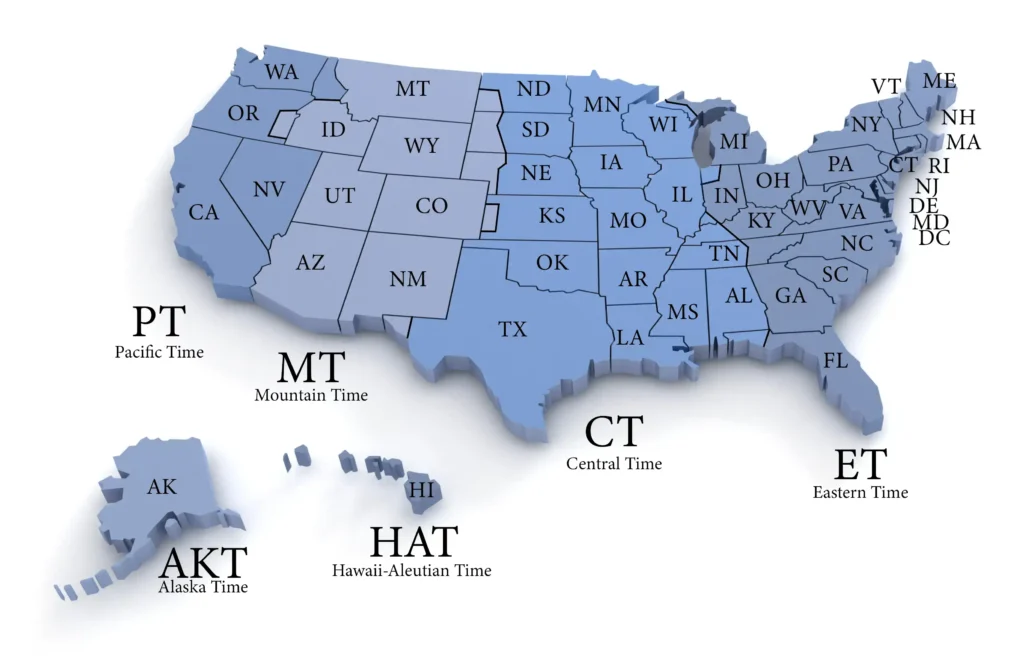
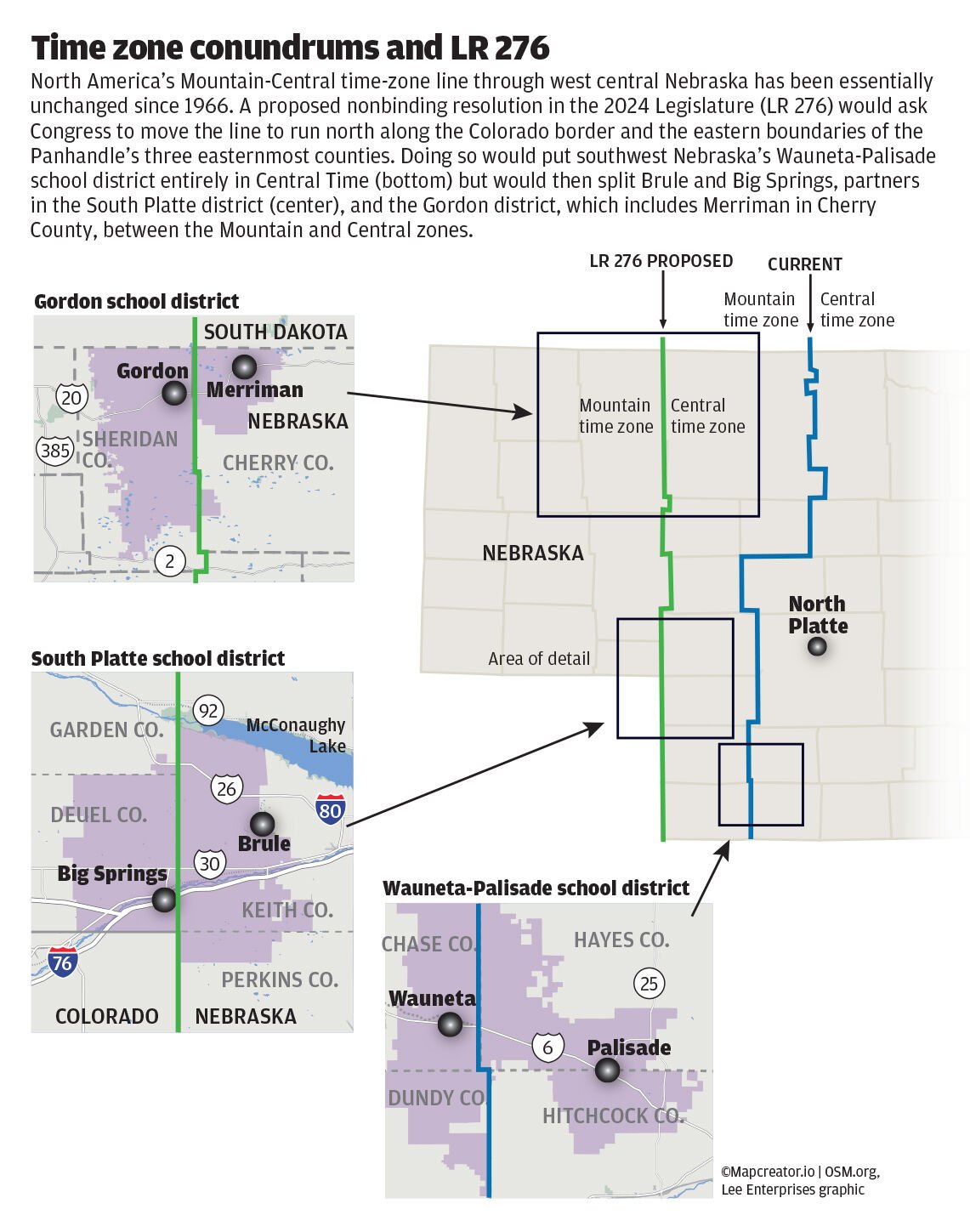
The transition between the Central Time Zone and the Mountain Time Zone in Nebraska is not a straight north-south line. Instead, it follows a path dictated by historical, economic, and social factors that have evolved over decades. The vast majority of the state operates on Central Standard Time (CST), but a significant portion of the western territory is anchored in Mountain Standard Time (MST).
Tracking the Border
The boundary effectively splits the state by favoring the Central Time Zone for the eastern and central regions, including major urban hubs like Omaha and Lincoln. As you travel westward along Interstate 80, the transition begins to manifest near the Dawson County and Lincoln County borders. The line winds through the state in a way that keeps certain counties together based on trade routes and local commerce rather than strictly geographical coordinates.
Why the Line Isn’t Straight
The complexity of the time zone boundary in this region is primarily due to the state’s historical reliance on railroads and agricultural commerce. Communities that historically looked toward Denver for business connections or medical services generally adopted Mountain Time, while those oriented toward the Missouri River and the larger eastern markets naturally fell into the Central Time Zone. This legacy remains visible today, creating a subtle but distinct shift for travelers who cross from the plains into the high-plateau landscape of the western counties.
Navigating Western Nebraska: When the Clock Shifts
For the traveler, crossing the time zone is often a moment of mild confusion followed by curiosity. As you leave Kearney or North Platte and head toward Scottsbluff, you will inevitably enter the Mountain Time Zone. This shift is more than just an adjustment of your wristwatch; it marks your entry into a different topographic and cultural experience within the state.
Key Counties in the Mountain Time Zone
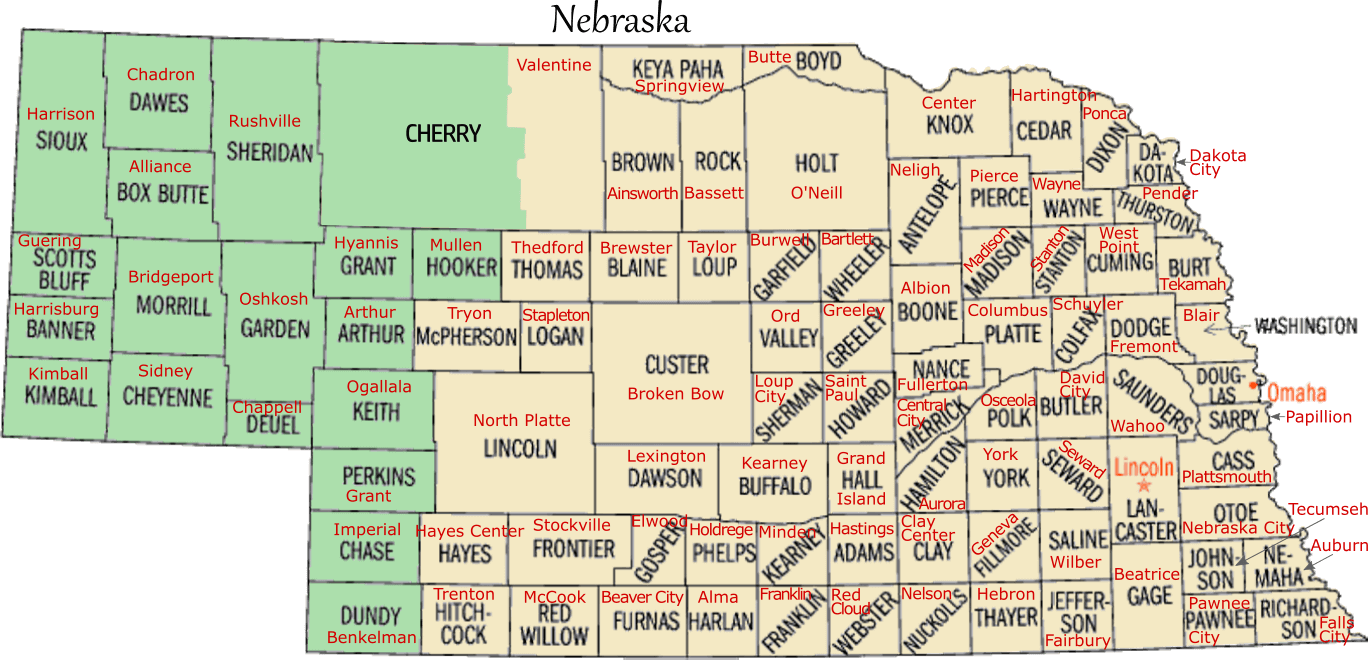
While the Nebraska Panhandle is entirely within the Mountain Time Zone, the boundary is somewhat jagged. The counties that operate on Mountain Time include:
- Banner County
- Box Butte County
- Cheyenne County
- Dawes County
- Deuel County
- Garden County
- Kimball County
- Morrill County
- Scotts Bluff County
- Sheridan County
- Sioux County
Most of Cherry County is also in the Mountain Time Zone, making it a critical point for travelers heading toward South Dakota or Wyoming.
The Impact on Daily Travel
If you are planning to visit natural wonders such as Scotts Bluff National Monument or the Agate Fossil Beds National Monument, it is vital to account for the hour difference if you are arriving from Grand Island or other points east. Many visitors fail to realize that the “one-hour drive” they calculated might effectively vanish or double depending on which direction they are traveling. Always verify the time zone of your specific destination before setting out, especially when dealing with reservation times for tours or hotel check-ins.
Cultural and Lifestyle Shifts Across the Zones
The transition between time zones often mirrors a transition in the landscape. As you move from the Great Plains into the western reaches of the state, the scenery changes from expansive cornfields to the dramatic bluffs and arid terrain typical of the American West.
Adjusting to the Pace of the Panhandle
In the Mountain Time Zone, the sun rises and sets at a different time relative to the clock than in the Central Time Zone. In the summer months, the later sunset of Mountain Time provides an extra hour of daylight in the evening, which is often cherished by tourists exploring the Wildcat Hills or fishing at Lake McConaughy. Conversely, during the winter, the shorter days in the western regions can make the late start to the morning sun feel quite significant.
Practical Tips for the Road-Tripper
To ensure a smooth transition between time zones, follow these practical tips:
- Syncing Devices: Most modern smartphones automatically update when they detect a change in the local cell tower’s time signal. However, in rural stretches of the Nebraska Sandhills, signal strength can be intermittent. Keep a manual watch or a traditional dashboard clock as a reliable backup.
- Scheduling Appointments: If you have dining reservations in Chadron or a guided tour near Valentine, confirm the time zone with your hosts. Local businesses are generally very accustomed to travelers asking about the time, as it is a common point of discussion.
- Cross-State Logistics: If you are traveling from Iowa across the entirety of Nebraska and into Colorado, remember that you will be crossing the transition line well before you reach the state border. Do not wait until you hit the western state line to adjust your plans.
Preserving History: The Legacy of Local Time
The time zones in the state are not just arbitrary lines; they tell the story of the American West. When the railroads first carved their way through the territory, local communities often set their clocks by the sun or by the local train schedule. Over time, these pockets of time were standardized to facilitate commerce and communication.
The Role of Connectivity
Today, the boundary serves as a reminder of how interconnected our regions are. The digital age has smoothed over many of the frictions caused by time differences, yet the physical reality remains. As you travel, you might notice that local radio stations, TV news, and even the “opening hours” of roadside diners are tailored to the time zone of that specific county.
Why the Journey Matters
Traveling through a time-zone shift is a rite of passage for the serious road-tripper. It forces you to be more present in your environment. Whether you are chasing the sunset in Alliance or starting your day early to beat the heat at Carhenge, the time difference becomes a part of the itinerary. By understanding these boundaries, you transform from a passive passenger into an active explorer who understands the rhythm and flow of the landscape.
Exploring Nebraska is an exercise in appreciating the vastness of the American landscape. By respecting the nuances of its time zones, you ensure that your visit to its historical landmarks, scenic vistas, and welcoming small towns is as seamless and enjoyable as possible. So, check your watch, adjust your expectations, and prepare to cross the line from the heart of the plains to the gateway of the mountains.
LifeOutOfTheBox is a participant in the Amazon Services LLC Associates Program, an affiliate advertising program designed to provide a means for sites to earn advertising fees by advertising and linking to Amazon.com. Amazon, the Amazon logo, AmazonSupply, and the AmazonSupply logo are trademarks of Amazon.com, Inc. or its affiliates. As an Amazon Associate we earn affiliate commissions from qualifying purchases.